Examining Community Tensions at a Diverse Portland High School
The recent emergence of a student club at David Douglas High School—located in east Portland—has stirred a wave of controversy and heated community debates. This club, which is affiliated with a movement originally championed by the late conservative influencer Charlie Kirk, has become a flashpoint for a range of opinions among students, parents, and community members. As we take a closer look at the situation, it becomes clear that the issue touches on many tricky parts of civic discourse, free speech, and the role of political ideologies within the educational system.
David Douglas High School, boasting a student population of approximately 2,700, is known not only as the largest high school in Oregon but also as one of the most diverse schools in the region. This diversity, paired with the club’s affiliations, has contributed to a charged atmosphere both on campus and in the surrounding community. Critics of the club argue that its existence may complicate an already intense political environment, while the club’s proponents see it as an essential form of free expression and dialogue.
Understanding the Roots of the Controversy
At first glance, the situation might appear as a straightforward case of political expression clashing with diverse viewpoints. However, when we poke around the background details, it’s evident that the issue is laden with twists and turns that go deep into matters of ideology, identity, and the role of education in a polarized society. Critics suggest that the introduction of a club with links to a conservative movement at a diverse and public institution might not only spark protests but also send a painful message to some of the school’s members.
In this particular instance, it is important to remember that freedom of expression is a cornerstone of democratic values, but its exercise within a school setting, where young impressions are being formed, is often a nerve-racking challenge for educators and administrators alike. On one hand, clubs such as these offer students the freedom to voice their opinions; on the other hand, they can be perceived as catalysts that magnify underlying divisions among a richly diverse student body.
Community Response: A Mosaic of Opinions
The school’s administration, community activists, and parents have all been actively engaged in debates surrounding the club. The divide is evident, not only in the form of protests and counter-protests outside the school, but also in the quiet conversations held in classrooms, cafeterias, and community centers throughout the district. As we dive in further, it becomes clear that this episode is laden with issues that touch on free speech rights, political activism, and the responsibilities of educational institutions.
Perspectives from Different Corners
A glance at the different perspectives reveals that:
- Supporters of the Club: Many view the club as a manifestation of free speech and a necessary platform for conservative voices. They argue that, in a functioning democracy, it is essential for all sides of the political spectrum to be heard—even if that means airing opinions that some find disagreeable.
- Critics of the Club: Others contend that the club’s affiliations are linked to a highly charged and polarizing political agenda. For these critics, the club is seen as a potential disruptor of the harmonious, inclusive environment that a diverse educational setting should foster.
- Administrative Outlook: School administrators find themselves in a challenging position, tasked with ensuring that the freedom of all students is respected while managing the safety and well-being of everyone involved. They must tread a fine line between encouraging open dialogue and mitigating any potential harm or division.
This diverse set of opinions showcases the messy, tangled issues that arise when political ideologies intersect with the educational experiences of young individuals. The situation is simultaneously a microcosm of broader political struggles and a distinct challenge for local educational policy-makers, underscoring the importance of careful, thoughtful engagement with such issues.
Exploring the Impact on a Diverse Student Body
A key point of contention centers around how the club’s activities might influence the fabric of a student body that is both large and diverse. Oregon’s largest high school is home to students from a range of cultural, ethnic, and socioeconomic backgrounds. The introduction of a politically charged club in this setting has the potential to deeply impact student interactions, classroom dynamics, and even the overall sense of safety and belonging on campus.
Potential Risks and Rewards
When discussing the potential impact on students, several elements emerge:
- Risks:
- The possibility of increased tension and polarization among students.
- Heightened anxiety and stress among those who feel marginalized or targeted.
- Potential disruptions to the learning environment that could detract from academic focus.
- Rewards:
- An opportunity for students to engage in real-world political dialogue and learn about different perspectives.
- The chance to develop critical thinking skills by examining controversial issues in a measured way.
- A platform for demonstrating leadership and civic engagement within the community.
A table outlining these risks and rewards can help clarify the potential outcomes:
| Aspect | Risks | Rewards |
|---|---|---|
| Student Interaction | Increased polarization; social friction. | Diverse dialogue; enhanced critical thinking. |
| Academic Focus | Disruptions in classroom settings; heightened anxiety. | Real-world learning opportunities; that nerve-racking exposure to genuine political debate can initiate early civic engagement. |
| Community Impact | Deepened tensions among parent groups; community division. | Strengthening of democratic values; community learning about free speech and its limits. |
Free Speech and the Educational Environment
At the heart of the issue is the struggle to preserve free speech while safeguarding the well-being of all students. The club’s founders and supporters claim that offering a platform for conservative voices—no matter how unpopular those views may seem to some—is an essential component of a healthy public discourse. Many argue that students should be taught to engage with and respond to ideas in a civil, thoughtful manner, rather than be shielded from them.
Balancing Expression and Responsibility
In working through a conflict like this, school administrations face a series of tricky parts:
- Encouraging Open Dialogue: Developing an environment where students feel free to voice their opinions is a super important goal. An open dialogue encourages understanding, empathy, and critical analysis. It also not only stokes a healthy debate but fosters problem-solving that is essential to prepare students for an active citizenship.
- Mitigating Harm: There is also a pressing need to ensure that free speech does not turn into exhibitionism, which might harm students who are particularly vulnerable. The challenge is not just to allow differing opinions but to shape the nature of the conversation such that it contributes constructively to the larger school community.
- Policy and Practice: Educators are now left to figure a path through a labyrinth of local, state, and federal guidelines on student expression, adding another layer of complications to an already challenging task.
The essential question remains: How can schools harness the energy of political discourse without letting it spiral into a force that undermines the mutual respect necessary for a thriving educational environment?
School Administration and the Challenge of Ensuring Safety
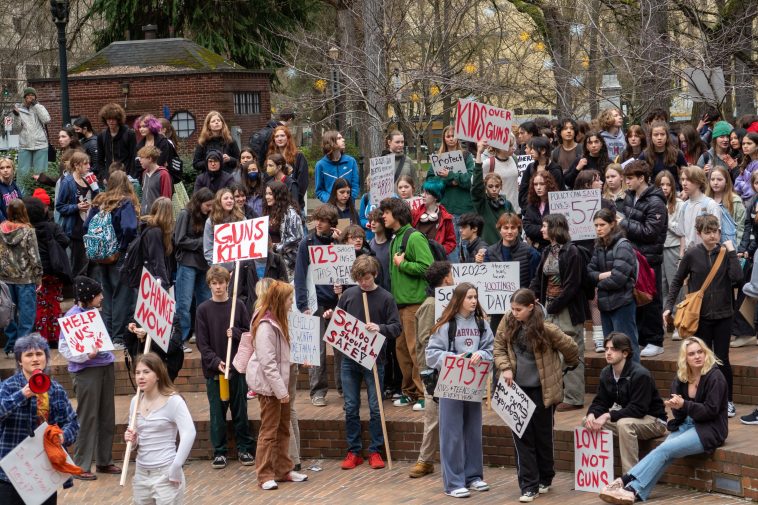
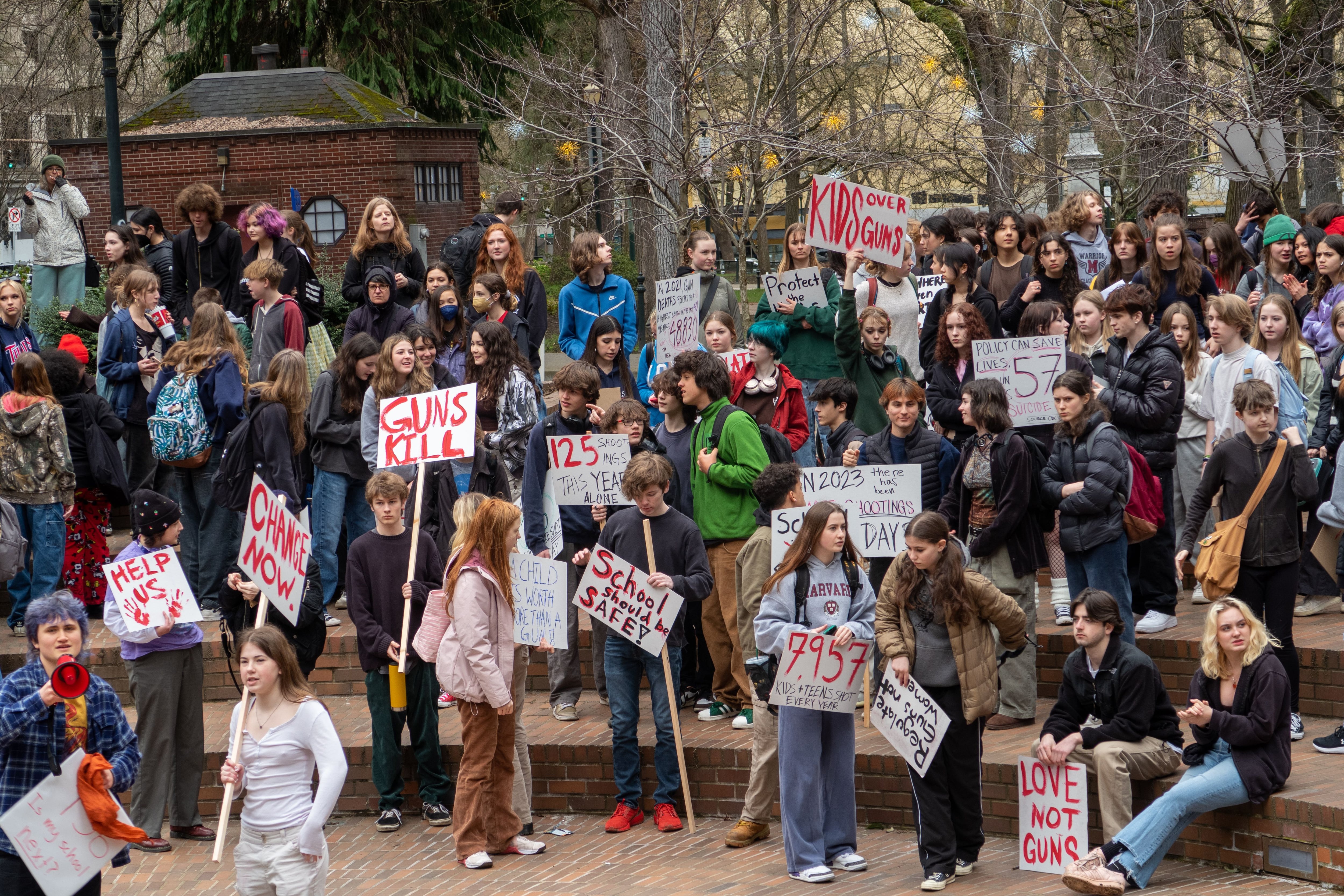
One of the most nerve-racking challenges faced by school officials in this case is ensuring that the campus remains safe and welcoming for all students. The presence of external protests and counter-protests—as seen in recent gatherings outside David Douglas High School—adds yet another twist to the ongoing situation. School administrators have to work meticulously to find a balance that ensures no student’s safety is compromised, while still protecting every individual’s right to participate in political discourse.
Strategies for Managing a Tense Environment
In trying to manage the mounting challenges, school officials have been exploring several approaches:
- Enhanced Communication: Regular meetings, both with students and parents, are pivotal in clarifying the club’s intentions and in addressing misunderstandings before they escalate.
- Clear Policies on Expression: Establishing well-defined guidelines that outline acceptable forms of political discourse in the school environment may help reduce potential conflicts. These policies seek not only to maintain order but also to ensure that students understand the boundaries within which they can express their ideas.
- Collaborative Conflict Resolution: Facilitating dialogue sessions that involve club members, critics, and other concerned parties can serve as a bridge to greater understanding. By talking through the small distinctions and subtle details of each point of view, stakeholders may be able to untangle some of the confusing bits that have compounded tensions.
Administering these strategies is no simple task. There are moments when sorting out the issues can feel overwhelming—akin to stewing through a mix of off-putting challenges where each twist and turn requires careful, thoughtful negotiation.
Political Affiliate Clubs and Broader Educational Policy
This situation is not an isolated instance of political expression in schools. Rather, it is indicative of a broader national conversation regarding the role of political organizations in educational settings. At a time when schools across the country are tasked with molding future generations, the introduction of politically affiliated clubs prompts state and federal policy considerations.
The Role of State and Federal Education Policies
Schools, particularly those managing a diverse demographic, often find themselves balancing a myriad of state and federal requirements regarding free expression, inclusion, and safety. While the First Amendment guarantees the right to free speech, the application of that principle within a school environment can be a daunting challenge. Recent cases across the nation have shown that whenever political clubs become highly visible, detailed scrutiny from both educational boards and government agencies tends to follow.
Key elements of this situation include:
- First Amendment Rights: The cornerstone of any argument for political expression in schools is the First Amendment. However, administrators must find a balance between preserving these rights and ensuring that the learning environment remains inclusive. There is a constant need to manage these conflicting priorities, as overly rigid enforcement might infringe on student rights, while too lax a policy may inadvertently allow harmful rhetoric to flourish.
- Legal Precedents and Challenges: Recent legal cases have set important precedents for how political clubs should be managed in public high schools. The decisions in these cases are often a mix of clear guidelines on student free speech and legal constraints designed to prevent harassment or discrimination. Educators must figure a path through these legal twists and turns and apply them within the unique context of their school’s culture.
- Role of Educational Leadership: School principals and district leaders are required to steer through these issues by formulating policies that are both legally sound and sensitive to the needs of a diverse student body. The task is nerve-racking in its complexity, demanding close attention to the hidden complexities of both legal frameworks and community expectations.
Media Coverage, Public Discourse, and the Broader Impact
The controversy has not escaped media coverage, with local news outlets documenting the protests, counter-protests, and growing community debates. The public narrative is evolving in real time and is contributing to broader discussions about the role of political affiliation in educational settings and public spaces.
Shaping Public Opinion Through Media Narratives
A significant element in this debate is the power of media narratives. Different media outlets emphasize varying aspects of the situation—from the perspective of free speech advocates to those highlighting the tensions experienced by affected student groups. Media coverage, in many ways, serves as the lens through which community members digest the event’s sequence and wider implications.
Some of the principal factors shaping media narratives include:
- Selecting Focal Points: Outlets may choose to focus on protest activities, resulting in reports that capture the charged atmosphere outside the school. Others may highlight interviews with educators and subject matter experts who underscore the need for a nuanced approach to political expression.
- Framing and Terminology: The precise language used—whether it be characterizing the event as an exercise in free speech or as a divisive political maneuver—plays a critical role in shaping community and public opinion. The subtle details in wording can have a powerful impact on how the situation is perceived by the broader public.
- Engaging with Stakeholders: Media interviews with both supporters and detractors provide a more comprehensive view of the complexity behind the protest. These narratives help the broader audience understand the additional layers of community and ideological issues intertwined in the situation.
Tables often help summarize these factors for better clarity. Below is a table that encapsulates some of the diverse factors influencing media narratives:
| Media Focus | Potential Impact |
|---|---|
| Emphasis on Protests | Highlights the tension and urgency of the situation; can polarize viewers. |
| Focus on Free Speech | Encourages a deeper discussion about constitutional rights in schools. |
| Profile of Administrators | Raises questions about school leadership, policy-making, and conflict resolution. |
Lessons for Educators and Policy-Makers
The unfolding scenario at David Douglas High School offers numerous lessons for those in the education sector, as well as for policy-makers at the state and federal levels. While the controversy is undoubtedly loaded with issues and subtle parts that challenge educators, it also provides an opportunity to reexamine key principles of civic engagement, student safety, and leadership in turbulent times.
Initiatives for Promoting Inclusive Dialogue
One of the most promising paths forward is to foster an environment where every student feels heard. To achieve this, several proactive initiatives have been proposed and, in some cases, implemented:
- Forum Discussions: Regularly scheduled discussion sessions or forums can provide safe spaces for students to express their viewpoints. Such forums would not only allow for an airing of differing opinions but also help to break down complex socio-political issues into manageable, digestible parts.
- Workshops on Civil Discourse: Activities that focus on the art of respectful debate and conflict resolution can prove invaluable. These workshops help students figure a path through contentious discussions while promoting mutual understanding.
- Collaborative Projects: Involving students in projects that require teamwork and communication across differing opinions can help bridge divides. Whether it’s organizing a community event or engaging in collaborative research on civic topics, these initiatives represent a positive use of politically charged energies.
For educators, the objective is not to eliminate political expression but rather to channel it into productive, educational experiences. Administrators need to work through the challenges of managing these initiatives while ensuring that all student voices are respected and that safety remains paramount.
Impact on Future Educational Landscapes
The controversy surrounding the club at David Douglas High School is likely to serve as a template for similar situations in the future. The evolving dynamic of political clubs in educational settings raises essential questions about how schools, both public and private, will incorporate political expression into their educational mission without compromising the inclusive values that underpin American education.
Long-Term Policy Considerations
Looking toward the future, several policy considerations emerge that can help guide educational institutions through similarly tricky scenarios:
- Revisiting Free Speech Policies: Schools might need to re-evaluate existing free speech policies to ensure that they both protect students’ rights and maintain a safe learning environment. Policies need to be flexible enough to adapt to the subtle details of fast-changing political climates while also being clear enough to set expectations.
- Enhanced Training for School Leaders: Investing in leadership training that concentrates on conflict resolution, legal constraints in education, and community management is key. As political affiliations become more visible in classroom settings, administrators must be well-prepared to steer through these challenges effectively.
- Parental and Community Involvement: Greater engagement with parents and local communities as partners in educational governance is another super important strategy. By working together, schools can ensure that a wide range of voices contribute to the development and refinement of policies related to political expression.
A concise summary of these recommendations is presented in the following bullet list:
- Review and update free speech guidelines in schools
- Implement leadership training for educators on handling politically charged classroom situations
- Create community advisory boards that include parents and local stakeholders
- Encourage student participation in structured forums for dialogue on controversial issues
Reflections on Freedom and Responsibility in Education
The intricately winding debate over the student club at David Douglas High School underscores the ever-present tension between freedom of expression and the responsibility of educational institutions to promote a culture of respect and inclusiveness. While some view the club merely as an extension of free speech, others see it as a potential source of division in a school known for its cultural richness.
At its core, the issue prompts a broader reflection on what it means to nurture future citizens. Schools have long been viewed as incubators for both academic and civic virtues. The current situation challenges educators to think hard about how best to integrate controversial political viewpoints within a framework that encourages empathy, dialogue, and critical thought.
Balancing Diverse Viewpoints in a Safe Space
In a high school where the student body is as varied as it is vast, it is super important to find policies and practices that acknowledge and celebrate diversity while at the same time sustaining free speech. The task calls for practical, thoughtful solutions rather than knee-jerk reactions. By taking a closer look at the underlying factors that contribute to community friction, educators can craft approaches that address the underlying beliefs without allowing any one viewpoint to dominate the narrative.
The following table illustrates some of the key areas to address in balancing these viewpoints:
| Key Areas | Challenges | Solutions |
|---|---|---|
| Free Speech Rights | Ensuring all viewpoints are heard without inciting division. | Clear, balanced free speech policies and open forums. |
| Student Safety | Preventing a hostile environment that could harm vulnerable students. | Strict anti-harassment guidelines and safe space initiatives. |
| Community Dialogue | Nurturing a constructive conversation among contrasting perspectives. | Mediated discussions and collaborative community projects. |
Community Engagement: Turning Challenges into Opportunities
While the current controversy is loaded with tension and nerve-racking moments, it also presents an opportunity for community engagement. Engaging with local community leaders, parents, and advocacy groups can help transform this challenging episode into a learning experience. When moderate, respectful dialogue replaces shouting matches, all parties can benefit from a better understanding of one another’s grievances and expectations.
Community Initiatives to Foster Inclusion
Several initiatives could be considered to bridge the gap between differing community segments:
- Town Hall Meetings: Regularly scheduled town hall meetings where community members, educators, and students can voice their concerns and suggestions in a moderated setting.
- Joint Workshops: Organizing workshops on respectful debate and conflict resolution, ideally led by professional facilitators, can help all involved learn practical strategies for managing disagreements.
- Community Advisory Councils: Establishing advisory councils that include a mix of educators, parents, and local community leaders can provide ongoing guidance on how to manage politically charged issues at school.
These initiatives not only serve to calm the current storm but also create a framework that can be replicated in other areas where similar issues might arise. They embody the idea that, even in challenging times, collaborative problem solving can turn tension into a catalyst for growth and understanding.
Perspectives from Policy Analysts and Education Experts
The circumstances at David Douglas High School have attracted commentary from prominent policy analysts and education experts who highlight both the challenges and potential benefits of embracing political diversity in educational spaces. Many emphasize that overall, this is less about endorsing one political view over another and more about learning the art of respectful dialogue—an essential life skill in any democratic society.
Expert Opinions on Free Speech in Schools
Some leading education experts underscore the following points:
- Importance of Discernment: Educators should help students discern between healthy political discussion and discourse that might lead to personal attacks or exclusion. Teaching these fine shades of nuance is challenging but necessary.
- Role of Curriculum: Integrating civics education into the curriculum could provide context for understanding these political issues. A well-informed student body tends to be more capable of working through complicated pieces of debate.
- Balance of Choice and Responsibility: Schools must make their way through the balance of offering students the right to choose their associations while also instilling a sense of responsibility for how their choices impact the community.
By prompting such discussions, the current controversy may push educators to adopt more comprehensive approaches to teaching critical thinking and civic responsibility. The long-term goal is to prepare students not just to excel academically, but also to be active, thoughtful participants in public life.
Concluding Thoughts: Embracing the Challenge
In concluding our exploration of the situation at David Douglas High School, it is clear that the intersection of free speech, political expression, and educational responsibilities is as complicated as it is significant. The rise of a politically affiliated club in a diverse, large high school has ignited passions and provoked debates that reach far beyond the boundaries of a single institution.
What has emerged is a multifaceted issue filled with small distinctions, tangled issues, and nerve-racking moments that require everyone—from school officials to policy-makers and community members—to dig into the details. While the immediate reactions to this event have ranged from heated protests to measured calls for dialogue, the challenge going forward is to turn this moment of tension into an opportunity for growth.
Educators have a super important role in converting political controversy into a learning experience. By harnessing the energy of divergent views, schools can provide students with real-world lessons in respectful debate, civic participation, and the critical evaluation of ideas. Furthermore, engaging parents and community leaders in these discussions can help bolster a spirit of unity even in times of disagreement.
As policies are revisited and updated in response to such incidents, it is essential that the focus remain on fostering an inclusive environment that respects free speech while mitigating division. This episode should serve as a reminder that while political expression is a cherished freedom, its practice in educational settings must be handled with a careful balance of open dialogue and responsibility.
Key Takeaways for the Future
To encapsulate the lessons learned, consider the following bullet points as guidance for navigating similar issues in the future:
- Every student deserves a safe space for expression, regardless of political affiliation.
- Effective leadership involves clear policies that balance free speech with the well-being of the community.
- Constructive community engagement, through town hall meetings and advisory councils, is critical in smoothing over tense issues.
- Educational curricula must prepare students for real-world debates and the responsibility that accompanies the right to speak freely.
- Policy-makers at all levels must work closely with educational leaders to refine guidelines that address both legal and ethical concerns.
In addressing this challenging episode, the initiative taken by David Douglas High School should be seen not as an isolated crisis, but as part of a broader call to action. It is a call to take a closer look at how our educational institutions engage with political discourse, fostering an environment where diverse voices contribute to a richer, more informed community.
As the debate continues, the story of this politically affiliated club may well become a landmark case in the ongoing conversation about free speech, diversity, and civic education in America. The twists and turns of this journey remind us that while confronting controversial issues can be overwhelming, the rewards of turning these challenges into opportunities for dialogue are immeasurable.
Looking Ahead: Policy Innovations and Community Unity
The current controversy, while undeniably charged with tension, serves as an invitation for a deeper reassessment of how educational institutions integrate political dialogues. In particular, it forces us to consider how policy-makers and school leaders can work together to make informed choices that both protect individual rights and promote a sense of inclusivity and safety.
Innovative policy reforms might include:
- Developing Comprehensive Free Speech Protocols: These protocols could offer clear guidelines on acceptable political discourse, balancing the need for free expression with measures designed to protect vulnerable groups.
- Investing in Conflict Resolution Training: Equipping educators and administrators with tools to deescalate tensions and mediate debates can build a more resilient school culture.
- Community-Driven Decision Making: Involving a broader spectrum of community voices in policy decisions not only democratizes the process but also ensures that the subtle details and small distinctions of local contexts are addressed.
By steering through these challenges with foresight and empathy, our schools can become incubators for a well-rounded citizenry. The lessons learned here have the potential to influence how educators across the country approach the inevitable intersections of politics and education.
Ultimately, this unfolding narrative at David Douglas High School is a call for all players—students, educators, parents, and policy-makers—to work collaboratively. Each group has a role in shaping an educational environment that does not fear the display of diverse opinions, but instead harnesses that diversity as a power to build stronger, more empathetic communities.
Final Reflections: Embracing Diversity in a Politically Charged Era
In a nation where political divisions often mirror societal divides, the situation at David Douglas High School is emblematic of the larger struggles facing our educational system today. Here, the ideal of free speech stands side by side with the very real need to maintain a nurturing, inclusive environment for every student.
It is clear that every step taken in managing this controversy must consider the delicate balance between expression and responsibility. The experience of David Douglas High School serves as a reminder that while the path forward may be loaded with issues and nerve-racking decisions, the destination—a community characterized by respectful dialogue and mutual understanding—is well worth the effort.
As we witness this unfolding chapter in the intersection of education and politics, educators and policy-makers alike are urged to figure a path that honors both the freedoms we cherish and the diverse nature of our communities. It is a call to action to learn from the current turbulence, ensuring that future generations grow up in a society where every voice is valued and where political differences serve as a bridge rather than a barrier.
In sum, the challenges presented by this politically affiliated club are many and intertwined with the everyday realities of a dynamic, diverse student population. By embracing open dialogue, fostering community engagement, and implementing clear, fair policies, we can hope to turn these tricky and intimidating obstacles into cornerstones for a more united, understanding educational landscape.
Originally Post From https://www.oregonlive.com/education/2025/10/a-charlie-kirk-affiliated-club-prompts-tensions-at-a-diverse-portland-high-school.html
Read more about this topic at
US university campuses are becoming battlegrounds …
Most US college students oppose letting controversial …