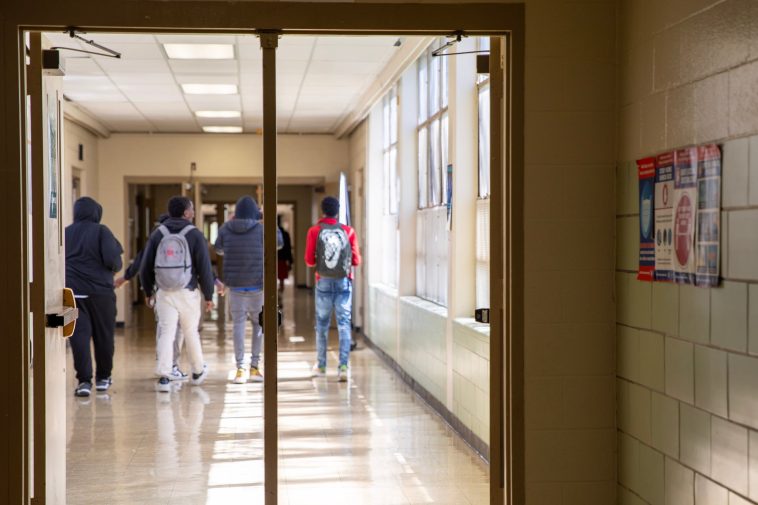

Memphis Public School Enrollment Decline: Understanding the Trends
Over the past decade, Memphis-Shelby County Schools (MSCS) have experienced a decline in student enrollment that is not only alarming but also raises many tricky parts in understanding the state’s education landscape. The district shed more than 10,000 students between 2014 and 2024, a stark contrast to the modest statewide downturn of less than 2.5% in the same timeframe. As the district struggles with intricate issues surrounding funding and resource allocation, we must take a closer look at the forces that have led to this steep drop and the implications it carries.
Several factors have contributed to the downturn in enrollment. The district is facing stiff competition from the growing private and homeschooling sectors, which, coupled with a general population decline, has created an environment that is both tense and full of problems. Local leaders are beginning to acknowledge that, in order to secure necessary funding through the state’s per-pupil funding model, they must revamp their strategies and ensure that MSCS offers numerous options and opportunities that appeal to families.
Post-Pandemic Enrollment Trends and the Struggle for Resources
Post-pandemic efforts to reverse declining enrollment have so far proved to be overwhelming. Despite various initiatives intended to boost enrollment, MSCS has faced continued losses in student numbers over the past two school years, with preliminary data indicating an additional drop of nearly 2,000 students. This trend accentuates the district’s chronic budget issues and compels leaders to consider school closures as part of a broader strategy to stabilize fiscal ends.
The pandemic has left a lasting impact on many aspects of public education. While many districts have managed to weather the storm, MSCS finds itself navigating a path fraught with mixed messages. On one hand, there is urgent talk about elevating competitiveness in order to attract more students. On the other hand, this push toward innovation is hindered by decades of underfunding and limited resources. As board member Natalie McKinney pointed out, schools must offer the choices and opportunities that families demand, despite being underresourced and underfunded. This dual challenge puts the district in a delicate position, where the path forward requires balancing immediate fiscal realities with long-term strategic planning.
Shifting Demographics and Changing Family Choices
The steep decline in enrollment is not a phenomenon unique to Memphis. Demographic shifts, particularly those affecting birth rates and overall population changes, have also played a significant role. Shelby County, notably, has seen one of the largest population losses among U.S. cities in recent years, contributing to fewer students within the district. Meanwhile, families are increasingly exploring education alternatives such as homeschooling and private schooling. For many parents, the traditional public school model no longer seems as appealing or capable of meeting their children’s needs.
This emerging trend is underlined by state-wide data indicating that private school enrollment in Tennessee jumped by over 23% from 2019 to 2021. A combination of various factors—ranging from dissatisfaction with current public school environments to the lure of new voucher programs—has made private schooling a far more attractive option for many families.
Evaluating the Impact of Charter Schools
Charter schools in MSCS have experienced their own set of difficulties. After enjoying a period of growth prior to 2020, their numbers began to wane, falling off rapidly in the wake of the pandemic. In recent years, charters have experienced a decline of over 13%, a figure that presents additional complications for an already stressed district. This trend prompts us to take a closer look at the fine points of how charter schools might be either a symptom of or a contributing factor to the ongoing challenges in public education.
While the macro factors affecting traditional public schools—such as surges in private enrollment—undoubtedly contribute to the dramatic decrease in charter school numbers, one cannot ignore the local dynamics that have placed these schools under additional strain. With some charter schools being consolidated or shuttered altogether while others have plateaued, the changing landscape presents new challenges that demand creative and thoughtful responses from educators and policymakers alike.
Funding Challenges and Resource Limitations
At the heart of the enrollment decline lie significant financial challenges. In a per-pupil funding model, enrollment numbers translate directly into budget allocations, meaning that each lost student results in a further reduction in available resources. The resulting vicious cycle — fewer funds leading to cutbacks in services, which in turn make public schools less attractive to families — is a dangerous one. The pressure to remain competitive in an increasingly diversified education market has never been greater for MSCS.
The district’s struggle with underfunding reveals a series of tangled issues revolving around resource allocation and fiscal management. When funds are limited, the district must make hard choices: Should resources be concentrated on high-performing schools, or should efforts be diversified to support schools that are under capacity? These are nerve-racking decisions that affect communities at large, carrying implications for everything from teacher retention to the quality of education in each district neighborhood.
School Closures and the Future of District Facilities
In light of declining student numbers, district leaders are now weighing the possibility of school closures. The recommendations from the new facilities committee, expected in the near future, will likely incorporate enrollment figures as a key factor in deciding which schools remain open and which ones are consolidated or closed. This decision is one of the most intimidating for any educational system, as it touches on both the present welfare of students and the future of the community at large.
Additionally, around 30 schools within the district are reportedly overenrolled and performing above those operating under capacity. This over-enrollment in high-performing schools underlines the need for expansion—whether through increased class sizes, constructing additional facilities, or even refurbishing existing infrastructure. The challenge is to figure a path that ensures quality education is uniformly accessible, even as enrollment numbers continue to shift.
Competition from Private and Alternative Education Options
As Memphis public school enrollment continues to wane, an equally important dynamic is the intensified competition from private and homeschooling sectors. Across Tennessee, where private school enrollment has soared, public education is losing ground to alternatives that promise a more tailored educational experience. For many families, alternative schooling options present a less intimidating and more flexible solution, especially as the modern family grapples with changing work environments and diverse learning needs.
To better understand this shift, consider the following factors that drive families toward private and alternative education:
- Customized learning environments that promise more individual attention.
- More control over curriculum content, allowing for specialized programs.
- The perception that innovative educational methods are better represented in non-traditional schooling models.
- The appeal of a learning experience that might align more closely with modern educational philosophies.
Each of these points reflects small distinctions in family choices and highlights why public schools need to rapidly adapt to meet evolving needs. As policies shift and new voucher programs gain momentum, families are beginning to consider a broader spectrum of educational options, sometimes away from the public school system entirely.
Analyzing the Political and Policy Implications
The enrollment decline in Memphis-Shelby County Schools must also be seen within the broader context of state and federal education policy. Tennessee’s recent implementation of a universal voucher program signals a larger political strategy that could further tilt the balance in favor of private education. Such policy shifts underscore the need for public systems to urgently retool and reinvent themselves if they are to remain competitive and relevant.
Policymakers at both the state and local levels face a set of complicated pieces regarding how to ensure equitable access to education while managing dwindling resources and shifting demographics. The reduction in enrollment is not just a statistic—it is a signal of deeper social and political currents that are reshaping the educational landscape. For example, while voucher programs promise to broaden choices for families, they also risk further diverting funds from traditional public schools that are already struggling with limited budgets.
To illustrate these points, notice the following table summarizing the key factors driving the policy debate:
| Key Factor | Implication for Public Schools | Policy Considerations |
|---|---|---|
| Declining Enrollment | Less funding per pupil, increased pressure to consolidate schools | Review of per-pupil funding formulas, targeted interventions |
| Rising Private/Alternative Choices | Loss of students and revenue in public schools | Ensuring fair competition, balanced resource allocation |
| Post-Pandemic Challenges | Strained recovery efforts, heightened operational hurdles | Enhanced support for recovery initiatives, improved planning |
| Policy Shifts (Voucher Programs) | Risk of further funding diversion from public schools | Careful assessment of voucher impacts, funding safeguards |
These little twists in policy decisions and funding allocations are intertwined with the fine points of local community dynamics. They illustrate that educational challenges are not solely rooted in what happens within school classrooms—they are the product of broader societal trends.
Community Impact and the Role of Local Leadership
The decline in enrollment has enormous repercussions not only for the schools themselves but for the wider community. Local leaders must work through a set of tangled issues to find your way forward, especially as decisions related to school closures have far-reaching consequences. The closures could lead to longer commute times for families, a diminished sense of community, and even potential decreases in property values. Consequently, community leaders need to engage in transparent, data-driven decision-making to ensure that they are not only sorting out current challenges but also laying a strong and reformed foundation for the future.
Local community stakeholders, including parents, teachers, and neighborhood associations, have invaluable insights into what changes would most benefit the local system. Active community involvement could drive the necessary innovations in how schools are structured, funded, and managed. For instance, increased community engagement may lead to:
- More effective communication channels between administrators and families.
- Greater public participation in discussions about facility closures and consolidations.
- Localized funding initiatives to supplement waning state funds.
In many ways, community leadership is the linchpin in transforming these challenging bits into opportunities for growth. By organizing public forums, holding discussions, and soliciting feedback, local leaders can create environments that are more adaptable and responsive. The objective is to ensure that every decision made is a step toward a resilient and future-ready educational system in Memphis.
Exploring the Effects of Declining Birth Rates and Demographic Shifts
A significant part of the enrollment decline can also be traced to broader demographic changes. As birth rates fall and families begin to shrink in size, fewer students naturally lead to lower enrollment figures. These changes are not unique to Memphis; they echo in communities across the nation. However, when combined with the movement toward alternative educational models, these demographic trends amplify the challenges facing traditional public schools.
In regions where population drops are marked, the consequences can include:
- Reduced economies of scale, leading to increased per-pupil costs.
- Heightened vulnerability to abrupt policy changes such as funding revisions or voucher implementations.
- A need for re-evaluating district boundaries and school capacity to align with current community sizes.
Understanding these dynamics is super important for policymakers. When fewer children populate classrooms, every funding decision or school closure decision is amplified, making it essential to approach the issue with sensitivity to both the current environment and future projections.
Comparing Local Strategies with National Trends
What sets Memphis apart in this broader discussion is how rapidly its enrollment figures have changed compared to state and national averages. While Tennessee and the rest of the country have seen moderate declines, MSCS’ loss is nearly quadruple the state average. This discrepancy begs the question: What local factors are at play here, and why has Memphis been hit so hard?
One possible explanation lies in the unique configurations of local education systems. For decades, Memphis has struggled with insecurities in school funding and resource management. Local issues—ranging from inconsistent infrastructural investments to policy decisions tailored to a larger, more heterogeneous student body—have culminated in an environment that is less responsive to the needs of today’s families. Moreover, the shifts in political priorities at both the state and federal levels have only exacerbated these challenges.
Another factor is the ripple effect of suburban district changes. After the 2014 “de-merger,” many suburban districts experienced population growth while MSCS continued to contract. This divergence highlights how internal administrative decisions and historical policy choices can have long-term impacts, not only on enrollment figures but also on the overall health of an entire education system.
Innovative Solutions for Reviving Enrollment
Given these challenges, what can be done to reverse the enrollment decline and restore confidence in public schooling within Memphis? The answer lies in a multi-faceted approach that tackles both short-term issues and long-lasting systemic problems. Here are several possible strategies:
- Enhanced Community Engagement: Build stronger ties between schools and communities to ensure that decisions resonate with local needs and values.
- Resource Reallocation: Consider a more strategic allocation of funds by expanding high-performing schools to better serve growing populations in selective neighborhoods.
- Innovative Curriculum Design: Explore ways to integrate modern educational techniques that address the fine shades of today’s learning needs and foster a competitive environment.
- Policy Reforms: Revisit state-level education policy and funding formulas to identify opportunities for easing the financial strain on districts.
- Partnerships and Collaborations: Leverage partnerships with local businesses, non-profits, and higher education institutions to supplement scarce resources and introduce new ideas.
Each of these strategies comes with its own set of tricky parts and small distinctions that must be carefully weighed and adapted to Memphis’ unique educational landscape. There is no one-size-fits-all solution. Instead, policymakers and community leaders must work together to craft a nuanced approach that is both innovative and deeply rooted in local context.
Reassessing Accountability Measures and Performance Metrics
Another dimension that requires attention is the way public schools are held accountable. In an environment where enrollment figures directly impact funding, performance metrics and accountability measures play a central role in shaping outcomes. It is crucial to re-examine these measures to ensure that they accurately reflect the challenges faced by schools, rather than inadvertently punishing them for factors that lie largely beyond their control.
A fair accountability system would involve:
- A balanced mix of quantitative and qualitative metrics that capture both academic achievements and community impact.
- Clear criteria for evaluating performance across different types of schools, including traditional, charter, and alternative models.
- Periodic reviews and adjustments to account for changing demographics and evolving educational needs.
By rethinking accountability, the district can help create a more supportive environment for educators and provide clear guidelines for improving student outcomes. This process, however, is full of problems and requires carefully thought-out approaches that take into account the many small twists driving current trends.
Challenges in Reversing a Declining Trend: Getting into the Nitty-Gritty
With enrollment trends showing no sign of quick reversals, the educational community must face the overwhelming task of planning for a future where public schools may continue to lose ground in terms of student numbers. The decline, which started before the pandemic, now compounds post-pandemic challenges, leading to a series of tangled issues that demand decisive interventions. Stakeholders are tasked with not only maintaining quality education but also adapting to a rapidly changing demographic and social landscape.
To address this, school districts must:
- Develop robust contingency plans in case of further enrollment drops.
- Intensify efforts to incorporate community feedback into policy decisions.
- Invest in professional development to help teachers manage evolving classroom dynamics.
- Experiment with new models of school management and curriculum design that can better serve a diverse student body.
These steps are not only essential—they are super important for stabilizing the system. However, implementing them entails navigating a host of confusing bits and complicated pieces, each filled with its own challenges. The key is to remain flexible, willing to adapt strategies as new data and trends emerge, and always keep the needs of the community at the forefront.
Family Perspectives and the Shift Toward Alternative Education
From the perspective of countless families across Memphis, the decision to shift away from public schooling is not made lightly. Many parents feel that current educational offerings do not match their expectations for a nurturing yet competitive learning environment. Concerns range from the condition of school facilities to the availability of modern technology and innovative learning programs.
Indeed, the demand for alternative education is driven in part by the desire for environments that offer:
- More personalized attention and flexible learning schedules.
- Curriculums that align closely with real-world skills and modern career pathways.
- A setting perceived as less intimidating and more adaptable to individual student needs.
The noticeable rise in homeschooling, alongside the surge in private school enrollment, serves as a reminder that public schools need to evolve. As families increasingly weigh their options, public institutions must work on their small distinctions—those subtle details that can make the difference between feeling supported or left behind.
Addressing Teacher Retention and Workforce Concerns
One of the underreported but equally significant issues related to declining enrollment is its impact on the teacher workforce. In a system where budget cuts are a frequent reality, teacher retention becomes a nerve-racking challenge. When resources dwindle, the professional environment can shift dramatically, leading experienced educators to consider opportunities elsewhere.
Teacher retention is critical to the success of any educational system. Some reasons educators have expressed concern include:
- Fewer available resources to support classroom innovation.
- Increased responsibilities with reduced staff, making daily operations more challenging.
- The fear that continued declines in enrollment will lead to further budget cuts and uncertain futures.
Administrators must find their way through these tricky parts by creating supportive work environments, offering competitive salaries, and recognizing the invaluable role teachers play in shaping future generations. By addressing these workforce issues head-on, MSCS can help ensure that even if enrollment numbers fluctuate, quality teaching remains a constant, positive force.
Collaborative Efforts: Building a Supportive Future for Public Education
Ultimately, the crisis facing Memphis-Shelby County Schools is not an isolated incident but a multifaceted issue that requires a collaborative, community-driven response. Whether it is by broadening the range of options offered within the public school system or by engaging deeply with community stakeholders, meaningful change will only come when all voices are part of the conversation.
There are several essential steps that communities can take to foster a supportive environment:
- Create forums for discussion where parents, teachers, and community members can share their insights and propose solutions.
- Encourage partnerships between schools and local businesses or non-profit organizations that can provide additional support, both financially and through volunteer efforts.
- Emphasize transparent leadership that communicates openly about the challenges at hand and the proposed strategies for moving forward.
- Foster an atmosphere of innovation where new ideas—whether related to curriculum design, technology integration, or professional development—are welcomed and tested.
Through dedicated, collaborative efforts, public schools in Memphis have a built-in resilience that can transform this period of decline into an opportunity for rapid and meaningful improvement. Though the twists and turns of this journey will be full of problems and nerve-racking decisions, a concerted effort from everyone involved can pave the way for a brighter future in public education.
Looking Ahead: Opportunities for Rebirth and Innovation
As we assess the current state of the Memphis-Shelby County Schools system, it is clear that the road ahead is riddled with tension and challenging bits. However, these obstacles are also gateways to potential innovation. When a system experiences decline, it often presents a unique opportunity to reimagine how it could better serve its community.
One promising avenue is to foster an environment that champions creativity and strategic reform. For example, several districts across the nation have begun integrating technology more fully into learning and have experimented with flexible, blended learning models that offer both in-person and virtual instruction. These initiatives aim not only to reinvigorate student engagement but also to create a learning landscape that is responsive to the tech-driven world of today.
Moreover, it is essential to prioritize investments in teacher training and support programs. Empowered educators can more effectively adapt to the evolving demands of modern classrooms. As we take a closer look at these opportunities, consider how the following initiatives could be implemented:
- Pilot programs in digital learning and online mentorship to prepare students for work in a globalized economy.
- Expanding partnerships between schools and technology companies to bring state-of-the-art resources into the classroom.
- Community-based projects that encourage student participation in local problem-solving and civic engagement.
While some of these measures may seem intimidating at the outset, they represent strategic steps toward creating a system that not only survives but thrives under current and future challenges. Each initiative requires the energy and focus that come from fully committing to change, ensuring that both educators and students are equipped for the journey ahead.
Conclusion: Choosing a Path Forward
The declining enrollment in Memphis-Shelby County Schools reveals more than just shifting numbers on a chart—it underscores a transformative moment for public education in the region. From funding challenges and demographic shifts to the fierce competition posed by private and alternative education options, each aspect of this crisis demands a careful reconsideration of policy, community engagement, and innovative practices.
As decision-makers grapple with these tangled issues, the objective remains clear: to manage your way through a system that is evolving rapidly while ensuring that every child has access to a high-quality education. The journey ahead may be full of confusing bits and tricky parts, but with transparent leadership, strong community involvement, and a willingness to embrace change, Memphis public schools can turn this downturn into a catalyst for rebirth and progress.
In the end, what is at stake is not just the future of a school district but the future of an entire community. The choices made now will shape the educational landscape for generations to come. By acknowledging the myriad factors—from declining enrollment and competitive pressures to shifting policy priorities—and addressing them with clear, actionable strategies, we can work toward an education system that rises to the challenge. It is a challenge loaded with issues, but one that is equally filled with opportunities for reinvention.
The story of Memphis-Shelby County Schools is still being written, and each stakeholder—from policymakers and educators to parents and community leaders—has an essential role in deciding its final chapters. Let this moment be a call to action, a time to take responsibility for the future of public education, and a reminder that every change, no matter how small, contributes to a larger, transformative narrative.
Originally Post From https://mlk50.com/2025/09/18/memphis-public-school-enrollment-is-dropping-faster-than-the-state-whats-fueling-the-decline/
Read more about this topic at
A looming ‘demographic cliff’: Fewer college students and …
Enrollment Decline: A Threat to Public Schools