Opinion: A New Chapter for Teacher Quality and Educational Innovation
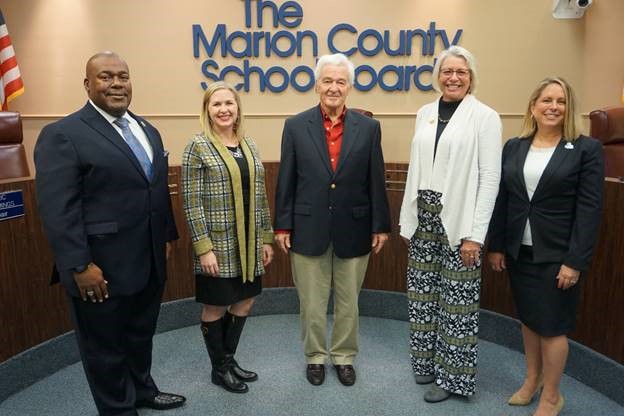
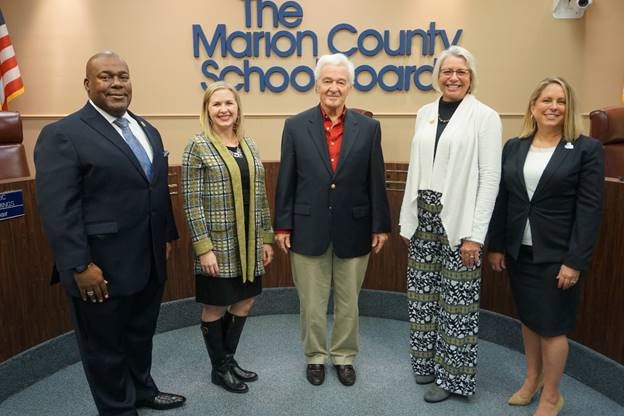
The recent proposal under consideration by the Marion County Public School Board marks a turning point in how education funding, professional development, and teacher quality are managed in our community. The amendment to the existing agreement with the College of Central Florida is designed to bolster an online Master of Education pathway that ultimately will increase the number of highly qualified teachers in high-needs schools. In this editorial, we examine the proposal’s background, its fiscal details, and how such strategic partnerships are reshaping educational opportunities for both educators and students.
At a board meeting slated for September 23, 2025, the proposal will be debated as part of the Grants and Federal Programs agenda. Supporters of the amendment argue that the additional funding will help more educators pursue advanced degrees in mathematics and science education—fields that are critical in keeping pace with ever-changing academic standards and the tricky parts of contemporary educational demands.
Riding the Wave of Change in Education Funding
This proposed amendment is not just a fiscal adjustment; it is a vivid illustration of how educational agencies are aligning efforts to meet the modern-day challenges of teaching. With a keen eye on state and federal education policies, Marion County Public Schools has crafted a system that seeks to empower teachers by providing enhanced professional development through an online pathway. While the process can sometimes involve confusing bits and tangled issues, district officials and policymakers remain optimistic that these changes will ease the difficulty in meeting the growing demand for well-prepared educators.
One cannot ignore the broader context in which this amendment is taking place. Education policies—especially those aimed at increasing the quality of teaching—are often wrapped up in fine details that require careful consideration. The proposed funding increase from $470,000 to $542,000 is seen as a retreat from potentially overwhelming costs by shifting the focus to essential improvements in teacher certification processes.
Partnerships That Foster Growth in the Teaching Profession
The collaboration between Marion County Public Schools and the College of Central Florida is a prime example of how strategic partnerships can help address the challenging twists and turns of teacher training. The agreement, originally approved at $357,237.44 on October 24, 2023, has already undergone one significant amendment, increasing the funding by $112,762.56 to a total of $470,000. Now, with a proposed increase of an additional $72,000, the focus is on sustaining and expanding the program for the remainder of the agreement period until the summer of the 2026 semester.
The online Master of Education pathway is specifically tailored to meet the needs of busy professionals who aim to develop further in their teaching careers. The program’s flexibility allows teachers to study while continuing to serve in high-needs schools, therefore making the process of professional growth smoother and more accessible.
Effect on Teacher Certification and Qualifications
For many educators, obtaining an advanced degree in the subject areas of mathematics and science can be both a pathway to career advancement and a means to a more comprehensive grasp of subject material. Through the A.D.V.A.N.C.E. scholarship—a program that offers a distinctive college experience—the initiative ensures that teachers have access to not only academic support but also critical in-field experience that enhances instructional practices in a measurable way. The partnership has had several key benefits:
- It creates flexible learning avenues to address the tricky parts of adult education.
- It provides targeted support for teachers serving in challenging educational environments.
- It cultivates a community of educators committed to lifelong learning.
Indeed, addressing the hidden complexities in teacher preparation has been a longstanding challenge. With proposals like this amendment, policymakers are taking a closer look at how best to support educators in pursuing continuous improvement without the intimidating cost burdens that often accompany advanced education.
Detailed Timeline and Fiscal Adjustments in the Agreement
A quick review of the historical timeline and the fiscal adjustments made to the agreement gives us a clearer picture of the commitment behind this ambitious initiative. The following table outlines the key funding milestones:
| Date | Description | Amount ($) |
|---|---|---|
| October 24, 2023 | Original Agreement Approval | 357,237.44 |
| December 10, 2024 | First Amendment Approval | 470,000.00 (increase of 112,762.56) |
| September 23, 2025 (Proposal) | Second Amendment Proposed | 542,000.00 (increase of an additional 72,000) |
This clear delineation of events and financial adjustments helps the community see that despite the nerve-racking fiscal details, every step is taken with a careful focus on enhancing educational quality. Although some may find these financial adjustments a bit overwhelming, each increment is designed to address specific issues related to teacher development, particularly in challenging fields like mathematics and science.
Managing Costs and Budget Allocation
The delicate balance between expanding educational opportunities and managing a tight budget is always a tightrope walk for school districts. In this case, the district has already committed a significant portion of the funding, with $57,079.99 already encumbered out of the first amendment’s revised total. The proposal for an additional $72,000, bringing the overall agreement to $542,000, is a proactive move to ensure that future costs are well accounted for, and that the expansion of this online education pathway continues smoothly.
Let’s break down the key fiscal considerations for this amendment:
- Initial Agreement Costs: The original funding was set at $357,237.44.
- Incremental Increase: The program received an infusion from an amendment that boosted the total to $470,000.
- Proposed Increase: An additional $72,000 is proposed, raising the total commitment to $542,000.
- Budget Source: The special revenue fund continues to be the primary financial engine behind these strategic educational investments.
While the numbers might appear complicated due to their fine points and small twists, the overall aim remains steady: to solidify a financial plan that ensures teachers can focus on their professional growth instead of worrying about costs. Steering through these fiscal adjustments is a task that requires both meticulous planning and a commitment to long-term educational improvement.
Expanding Opportunities in High-Needs Schools
One of the central goals of this amendment is to directly impact high-needs schools in our district by increasing the pool of highly qualified teachers. Schools with a high demand for specialized instruction in subjects like mathematics and science often struggle with the subtle parts of staffing and teacher preparedness. This agreement, with its expanded funding support, seeks to intervene at the root of these issues.
The online education pathway is designed to be both flexible and robust, allowing seasoned educators to acquire advanced degrees without interrupting their teaching responsibilities. This expansion is critical because highly qualified teachers not only enhance the overall classroom experience but also contribute to a school culture that values continuous learning and improvement. Here are some of the key advantages:
- Increased Professional Development Opportunities: By offering a structured online master’s program, the district is making sure that teachers can grow in their careers without the hassle of attending in-person classes.
- Enhanced Classroom Practice: Educators who pursue advanced degrees bring back innovative teaching methods and updated subject knowledge, which is beneficial for students across the board.
- Retention and Recruitment: A well-supported professional pathway is a key component in retaining talented educators and attracting new ones, especially in areas where the teacher shortage is acute.
Furthermore, the program is structured to help educators cope with the tricky parts of professional development by offering online courses that are both flexible and comprehensive. With teachers spending less time off campus and more time engaged in practical, on-the-job learning, high-needs schools stand to benefit significantly from the presence of educators with enriched expertise.
Understanding the Challenges and Finding a Path Forward
Even with the apparent advantages, it is important to recognize that programs of this nature are not without their tangled issues and intimidating fiscal demands. Critics might view the funding increases as just another example of spending that comes with its own set of complicated pieces and hidden complexities. However, the necessity of equipping educators with advanced degrees in subjects like math and science goes beyond simple budget numbers—it is about constructing a more resilient and capable education system.
For decision-makers, the challenge is two-fold: first, to ensure that funds are allocated in a manner that addresses both current and future needs without running into a maze of financial difficulties; and second, to make sure that the educational value of these programs is preserved regardless of the fiscal twists and turns that accompany them. In simpler terms, the amendment is not merely about increasing funding—it is about making a commitment to fostering a professional teaching environment that can adapt and thrive amidst the evolving demands of modern education.
Balancing Educational Goals with Fiscal Responsibility
For many in the community, especially those involved in education policy and school administration, the discussion over the proposed amendment brings up several key questions. How can school districts figure a path through funding challenges while still providing essential professional development? What measures are in place to guard against waste or misallocation of funds? And how might policymakers steer through the competing demands for limited resources?
Stakeholders have articulated a few core strategies that are already at play:
- Regular Financial Audits: Ensuring that every dollar is spent wisely and that budgetary adjustments are both transparent and justified.
- Performance Metrics: Establishing clear benchmarks to measure the impact of the program on teacher quality and student outcomes.
- Stakeholder Engagement: Actively involving the community, teachers, and school administrators in discussions to manage your way through fiscal constraints and maximize program benefits.
These strategies, while seemingly straightforward, require that policymakers and administrators pay close attention to the trading details of each funding component. It is an effort to balance the need for advanced educational opportunities with the inevitable, and sometimes nerve-racking, fiscal realities that accompany them.
The Role of State and Federal Guidelines in Directing Local Policy
Another important aspect is the role that state and federal education policies play in guiding local initiatives. These guidelines often contain both broad directives and some of the finer shades of differences that schools must account for when planning new programs. In the case of Marion County, the proposed amendment aligns with overarching goals to increase teacher qualifications in under-resourced schools, an objective widely regarded as essential in today’s competitive educational climate.
While the implementation of such policies may at times seem intimidating, the district’s measured approach is designed to ensure that state and federal recommendations are not only met but integrated into the overall strategy for professional development. As school boards and policymakers find their way around these guidelines, they are also tasked with managing the subtle details that define effective educational reforms.
This dynamic between local autonomy and state mandates is full of small distinctions that can make or break a proposed initiative. In the Marion County case, the incremental funding adjustments are evidence of a balanced approach—one that acknowledges both the budgetary constraints and the super important need to equip teachers for the demands of today’s high-needs educational environments.
Community Perspective: Weighing the Benefits and Concerns
The proposed amendment has sparked a variety of responses from the local community, ranging from cautious optimism to critical concern. Many parents, educators, and community leaders see the initiative as a much-needed infusion of resources that could revitalize the teaching corps, especially in schools that struggle to attract and retain skilled professionals. At the same time, there is a reasonable worry that such increases—while intended to improve education—could add to an already heavy financial load.
Here are some of the community’s key concerns and benefits, presented in a clear format:
- Concerns:
- Increased dependency on external funding sources.
- Potential for cost overruns or mismanagement of funds.
- Challenges in ensuring measurable improvement in teacher effectiveness.
- Benefits:
- Enhanced professional development opportunities for teachers.
- Greater access to quality education, especially in the realms of science and math.
- Long-term improvement in student outcomes by boosting teacher qualifications.
Both sides of the debate agree that the ultimate goal is to achieve a more robust educational system that can tackle the nerve-racking challenges of modern teaching head-on. As the community prepares for further discussions at board meetings, the focus remains on making sure that the costs associated with these advanced programs are justifiable in terms of real, measurable educational improvements.
Teacher Empowerment Through Flexible Learning
This initiative is not just about dollars and cents—it is also about providing teachers with the tools they need to succeed. A key aspect of this funding proposal is the support for online learning programs, which have become increasingly relevant in the current educational landscape. Flexible learning formats allow educators to:
- Study while continuing to teach, thus avoiding interruptions in their professional responsibilities.
- Engage with curriculum content that is directly applicable to their classroom experiences.
- Collaborate with peers across different districts, enriching the professional dialogue and bringing in fresh ideas.
This approach to teacher empowerment means that educators are not forced to take a break from their careers to upgrade their skills. Instead, they can integrate learning with practice, making the most out of both worlds. By investing in programs that are designed to be accessible and flexible, districts are effectively taking the wheel in ensuring that professional development remains a continuous and supported process.
Tackling the Tricky Parts of Fiscal and Program Management
As with any large-scale initiative, there are some tricky parts involved in balancing fiscal management and educational quality improvement. The additional $72,000 proposed in the amendment may seem like a small piece of the financial puzzle, but it is a critical increment in providing a safety net that ensures the continuity of a well-designed program. Decision-makers must figure a path through the following challenges:
- Budget Oversight: Keeping a close eye on expenditures to avoid unexpected shortfalls.
- Ensuring Program Quality: Maintaining the academic rigor and relevancy of the online Master of Education program.
- Accountability Measures: Setting up systems to regularly review improvements in teacher quality and student outcomes.
Working through these budgetary twists and turns requires a proactive approach where fine details are not sacrificed in the name of cost-cutting. Instead, the goal is to dedicate resources to areas that directly impact classroom effectiveness and educational excellence.
Looking at the Bigger Picture: Implications for Future Educational Policy
The potential approval of this amendment is just one step in what could be a broader shift in the way educational institutions fund and support teacher preparation programs. As policymakers, school leaders, and community stakeholders get into discussions about the best ways to use funds, the conversation is evolving to look at a bigger picture for educational reform. Key points include:
- Integrating Technology with Learning: The emphasis on online pathways demonstrates a commitment to blending traditional teaching methods with modern technology.
- Broadening Access to Advanced Degrees: Plans like these ensure that advanced degrees become more accessible, even for educators who work in less-resourced areas.
- Ensuring Sustainability of Programs: Beyond immediate fiscal adjustments, there is an ongoing dialogue about how to sustainably fund similar initiatives in the future.
This broader approach encourages stakeholders to take a closer look at how policies crafted at the state and federal levels can be implemented at the local level without losing sight of the unique needs and challenges faced by individual districts. In this case, the nuances of dealing with high-needs schools are managed by combining flexible online programs with a well-considered funding strategy.
Lessons Learned and the Road Ahead
In reflecting on the developments surrounding this amendment proposal, there are several lessons that educators, policymakers, and community members can take away:
- Collaboration is Key: Success in education often hinges on bridging the gap between school districts and higher education institutions.
- Incremental Increases Can Make a Big Difference: Although the funding adjustments may seem like mere financial tweaks, they represent a significant commitment to teacher empowerment.
- Flexible Learning is the Future: Supporting online education pathways removes many of the barriers associated with traditional degree programs.
- Accountability and Transparency: Ongoing reviews and audits help ensure that funds are used effectively and that educational improvements are sustained over time.
Each of these takeaways reinforces the idea that, while the process of improving our educational system may be loaded with issues and challenging fiscal parts, the ultimate goal is well within reach. Even as the district continues to handle the subtle parts of budget management and program evaluation, the commitment to providing better educational opportunities remains unwavering.
Conclusion: Embracing Change and Strengthening Teacher Quality
The amendment proposed by the Marion County Public School Board reflects a careful, measured effort to foster a more robust educational environment in our community. By increasing funding for the online Master of Education program, the district is taking significant strides to ensure that teachers are equipped to face both the practical and academic challenges inherent in today’s educational landscape.
In a system where each decision can set off a chain reaction—affecting the careers of teachers, the educational experiences of students, and the reputation of local schools—it is essential that every little twist and turn is managed with foresight and responsibility. With additional funding, high-needs schools will benefit from a larger number of highly qualified teachers, and students will have access to higher quality instruction, all while maintaining a focus on fiscal responsibility and sustainable long-term growth.
While the road ahead is not without its tricky parts or intimidating fiscal details, the overall direction is one of growth and improvement. Supporters argue that investments in teacher development are truly key to creating a vibrant and competitive educational system that not only meets state and federal guidelines but also serves the real needs of our community.
As the board deliberates on this proposal, it is clear that the decision goes beyond mere numbers—it is about nurturing an environment where teachers and students alike can flourish. In the end, the successful implementation of this program could serve as a model for other districts facing similar challenges, proving that creative partnerships and flexible funding strategies can, indeed, pave the way for a stronger future in education.
In conclusion, the proposed amendment is a courageous step that demonstrates the district’s commitment to embracing change and managing the tricky pieces of educational funding with a clear vision for the future. It invites all stakeholders to get into a dialogue about how best to support our educators in a manner that is both fiscally sound and educationally transformative. Ultimately, it is a reminder that even in the midst of complicated budget scenarios and off-putting financial figures, the end goal—enhancing the quality of education for our children—remains a super important, must-have priority.
Originally Post From https://352today.com/news/257752-marion-county-public-school-board-to-consider-an-amendment-to-an-agreement-for-program-that-increases-number-of-highly-qualified-teachers/
Read more about this topic at
The Latest News on Diversity
Diversity and Inclusion News | Today’s Latest Stories