Federal Funding Cuts and Their Impact on Magnet Schools
The recent decision by the Trump administration to withhold more than $65 million in federal grants from magnet schools in New York City, Chicago, and Fairfax, Virginia, has sparked heated debate in the realm of education policy. In a move that reflects the tangled issues at the intersection of civil rights, political policy, and educational best practices, this measure has left many stakeholders wondering about the long-term implications for schools and communities alike.
Federal funding has always played an essential role in supporting magnet schools, which are designed to offer innovative educational opportunities and serve as models of excellence. Critics argue that withholding funds not only punishes institutions that embrace diversity and inclusion but also sends a nerve-racking message to public school districts struggling to create welcoming environments for all students—especially those who identify as transgender or nonbinary.
This editorial takes a closer look at the twists and turns of federal funding policies, the challenges involved in making sense of shifting state and federal agendas, and the potential short-term and lasting consequences for communities and students. Drawing on expert knowledge of both elementary and higher education, we aim to provide a neutral overview of the policy changes, their rationale, and the broader context in which they sit.
Understanding the Funding Decision: Twisted Policy Contours
The federal Education Department’s decision came after accusations that the three school districts had violated civil rights law by refusing to overhaul policies regarding transgender and nonbinary students, as well as their diversity, equity, and inclusion (D.E.I.) programs. The dispute isn’t simply about dollars; it digs into the fine points of what constitutes acceptable policy in a nation where schools have long served as a battleground for social change and political influence.
In a document that detailed the remedial requirements for continued funding, the federal government called for the New York City school system, among others, to revise guidelines allowing students to use bathrooms, participate in physical education, and join athletic programs according to their gender identity. While some view this mandate as a necessary step toward ensuring all students feel safe and valued, others believe it represents an off-putting level of political interference in local education decisions.
Key Points in the Policy Change
- Targeted Funding Withholdings: Over $65 million in federal grants will cease for schools that do not comply with the set guidelines.
- Civil Rights Concerns: The Education Department has flagged potential civil rights violations in these districts’ policies.
- Political and Social Implications: The clash between federal oversight and local autonomy has a profound impact on the political landscape of education.
- Transgender and Nonbinary Rights: Central to the dispute are issues concerning the rights and protections allotted to transgender and nonbinary students.
These points compose the nerve center of the funding debate—highlighting both the intended message of equal opportunity and the complications of enforcing changes in policies that many have relied upon for years.
Transgender and Nonbinary Student Protections: A Closer Look
As educators and policymakers dig into the policy framework, the subject of transgender student rights shows up as both a critical and controversial area. At its core, the issue boils down to ensuring the safety and dignity of all students in schools that serve ever-diverse populations. Yet, for some administrators, rethinking long-standing policies is tangled with political considerations and community values that can be deeply divisive.
For instance, advocates of transgender rights laud the federal government’s intervention as a super important step in protecting vulnerable students. They point out that allowing students to use facilities that align with their gender identity is not a radical idea but a basic human right. On the other side of the aisle, critics worry that such measures may compromise parental control or even upset established norms that many communities hold dear. The debate draws attention to the confusing bits and the little details that can easily tip the balance one way or another.
How the Policy Affects Student Safety and Well-Being
At the heart of the matter is student well-being. Studies have shown that inclusive policies can greatly reduce the instances of bullying and harassment in schools. When students feel that their identities are recognized and respected, the overall school environment tends to improve. However, implementing these changes is not without its challenges, especially when there is resistance from some community factions. The funding cuts, therefore, are more than just a fiscal penalty—they represent a broader comment on the value placed on student safety and the willingness to adapt policies amid tangled societal issues.
Comparative Analysis Table: Traditional vs. Inclusive Bathroom Policies
| Aspect | Traditional Policy | Inclusive Policy |
|---|---|---|
| Student Safety | Potential for exclusion and bullying | Improved sense of security for transgender/nonbinary students |
| Privacy Concerns | May provide perceived protection of privacy | Requires careful management of privacy and logistical support |
| Administrative Complexity | Fewer complicated pieces to implement | Involves twisting regulations and customized guidelines |
| Community Response | Diverse reactions that often support tradition | Mixed responses with significant support from civil rights advocates |
This table illustrates how changes in policy affect various stakeholders differently. While policies are designed to protect and support, the process to get there is loaded with issues that are not easily resolved.
Diversity, Equity, and Inclusion Policies in the Classroom
Diversity, equity, and inclusion policies have long been cornerstones for building a more holistic education system. However, when federal agencies explicitly tie these policies to funding, it raises questions about whether politics is steering educational priorities too directly. School districts in New York City, Chicago, and Fairfax have been at the center of these debates because their existing programs, which once were emblematic of progressive education, are now under scrutiny.
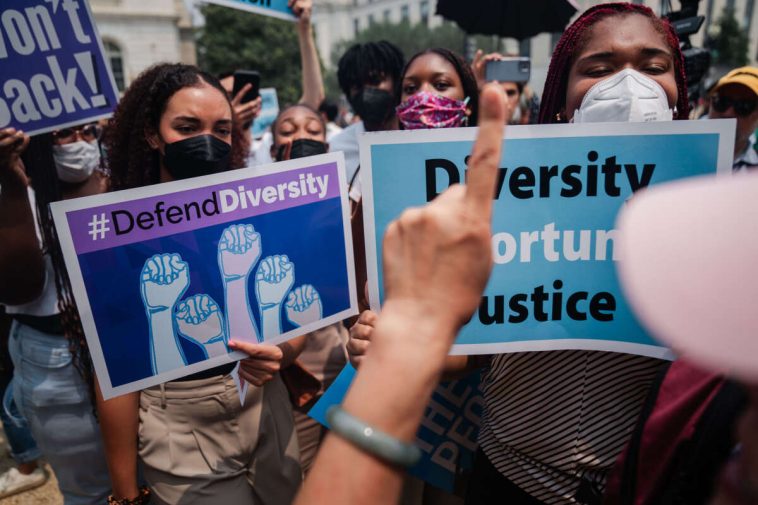
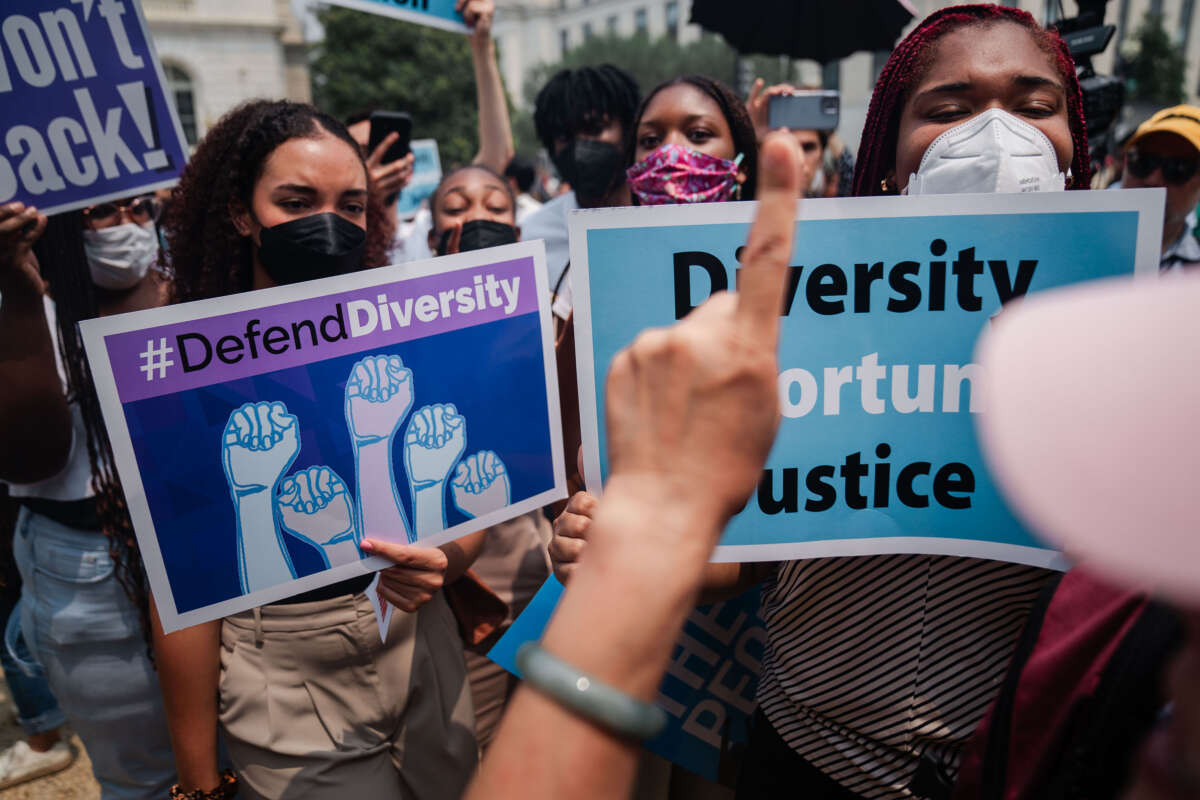
Supporters of DE.I. initiatives argue that such policies embody a commitment to creating a safe and nurturing environment for every student, regardless of race, gender identity, or socioeconomic background. They claim that these programs are super important for combatting the historical inequalities that have long plagued the education system. Critics, on the other hand, see the federal intervention as an overstep, claiming that it forces local school districts to adapt in ways that can sometimes run counter to community preferences.
Key Benefits of DE.I. Policies
- Enhanced Learning Environments: Inclusive schools typically report higher levels of student satisfaction and engagement.
- Reduction in Bullying: Schools with robust DE.I. policies often have lower rates of harassment and discrimination.
- Community Building: Efforts to promote diversity can help build trust between schools and the communities they serve.
- Long-Term Social Benefits: Students exposed to diverse perspectives are more likely to become empathetic and innovative adults.
When these points are taken together, it becomes clear that DE.I. policies do more than just tick a box—they create a framework for steady, positive change over time. The federal funding cuts, therefore, are not simply an isolated administrative decision, but a signal that educational policymakers are grappling with the tricky parts of how best to balance tradition with progress.
Political Interference in Educational Autonomy: A Double-Edged Sword
The debate over whether the federal government should impose guidelines on local school districts has always been full of problems and charged with tension. On one side, the federal intervention is seen as a super important mechanism to ensure that basic civil rights are upheld across all public school institutions. On the other hand, it opens up a larger conversation about the limits of political oversight in education—a discussion laden with twists, short differences, and hidden complexities.
Many argue that local schools are best positioned to know the needs of their communities. They contend that local educators, parents, and administrators should be trusted to figure a path through the nitty-gritty of daily challenges without excessive interference from higher authorities whose understanding of the local environment may be less nuanced. Critics of the federal approach suggest that enforcing top-down changes, even in pursuit of noble goals, can lead to outcomes that are more intimidating and socially divisive.
Arguments for and Against Federal Oversight
| Federal Oversight | Local Autonomy |
|---|---|
|
|
This side-by-side comparison highlights the delicate balance between maintaining rigorous civil rights standards and supporting the unique circumstances of each local school district. While federal oversight may provide uniformity and accountability, it also risks oversimplifying the complicated pieces that every community faces when establishing inclusive and effective policies.
Implications for School Leadership and Policy-Makers
For school leaders, these developments present both challenges and opportunities. Administrators must now respond to a policy environment that is changing rapidly, where diverse federal mandates and local realities collide. The implications of ignoring or failing to adequately adapt to these shifts can be overwhelming—ranging from reduced funding, to strained community relationships, and even legal disputes that can further complicate school governance.
In an educational landscape that is as full of problems as it is full of possibilities, school leaders are tasked with finding a path that not only secures necessary federal funds but also upholds the spirit of local traditions and community values. This balancing act is nerve-racking at times, particularly when policymakers are asked to figure a path through conflicting demands, with every decision laden with both short-term repercussions and long-term consequences.
Strategies for School Leaders
- Engaging with Stakeholders: It is essential to involve parents, teachers, and community members in discussions about policy changes and funding cuts.
- Reviewing and Revising Policies: School boards should take a closer look at existing guidelines and make adjustments where needed to comply with federal requirements while preserving core community values.
- Leveraging Data and Research: Administrators can use data-driven insights to understand the fine shades in policy implementation, ensuring that changes yield positive outcomes for all students.
- Building Collaborative Networks: Working with other districts facing similar challenges allows for shared learning and the creation of best practices.
These strategies offer a roadmap for school leaders as they work through the tangled issues that arise when financial and civil rights policies intersect. By taking proactive measures, decision-makers can help ensure that every student benefits from an educational environment that is both secure and responsive to modern social challenges.
The Role of Data Privacy Policies in Education Funding
While the debate over funding cuts is primarily focused on curriculum and student rights, another element that can’t be ignored is the role of data privacy. Modern educational environments are increasingly reliant on technology, meaning that schools often use cookies and similar tracking methods on their websites and apps. These mechanisms can help educators better understand how users interact with digital resources and even tailor content to individual needs.
With billions of data points being analyzed, the inherent challenges of managing such systems can be intimidating. For example, cookies and local storage can reveal subtle details about student usage patterns—but only if managed transparently and securely. The interplay between user privacy and effective data tracking is another area where tangled issues emerge, especially as educators strive to improve services and optimize student interactions.
Understanding Data Privacy in the Modern Classroom
Data privacy policies serve as the backbone of secure online educational environments. Here are a few key aspects to consider:
- Device Information Storage: Schools use cookies to store identifiers which recognize devices across visits. This is critical for tools that measure both student engagement and content effectiveness.
- Limited Data Collection for Ads: Some digital platforms employ limited data collection to select relevant, targeted content.
- Personalised Content and Profiles: Data collected across sessions can be used to build profiles that help tailor learning resources to individual student interests.
While these functions serve necessary roles, it is essential that schools, much like other institutions, find their way through the maze of federal guidelines to ensure these practices are both compliant and respectful of student privacy. Failure to steer through these complicated pieces may result in vulnerabilities that could undermine trust in digital learning environments.
Long-Term Implications for Federal Education Policy
The decision to withhold federal funds from magnet schools in key urban areas is likely to have ramifications far beyond the immediate monetary loss. In many respects, this move is a signal from the top echelons of federal education policy—the demonstration of a stricter stance on civil rights compliance in public schools. However, critics argue that this approach may have the unintended effect of destabilizing innovative educational programs, leaving districts once hailed for their progressiveness to deal with nerve-racking funding shortages.
As education policy-makers map out the future, they must balance several competing priorities:
- Ensuring Compliance: Federal requirements aimed at protecting transgender and nonbinary students are important, but mandates need to be implemented with care to avoid alienating communities.
- Supporting Educational Innovation: Magnet schools have long served as laboratories for new teaching methods and curriculum design. There is a real risk that funding cuts could stifle the creative and experimental spirit of these institutions.
- Championing Local Control: Striking a balance between overarching federal guidelines and the autonomy of local districts is essential to maintain trust and community support.
- Protecting Student Rights: Ultimately, any funding decision should prioritize the safety, dignity, and overall educational experience of students—especially those from marginalized communities.
Each of these priorities is linked by a commitment to the core belief that education should be accessible, safe, and forward-thinking. The federal government’s push to enforce these priorities through funding measures is a reminder that policy must continually adapt to the ever-changing societal landscape—no matter how tricky the parts or overwhelming the amount of conflicting interests might seem.
Understanding the Broader Political Landscape
Federal education policies often serve as a mirror to the broader political environment. The decision to withhold funds from magnet schools isn’t just an issue of educational administration; it is deeply embedded in the current political discourse. As schools are caught in the crossfire between federal mandates and local traditions, the political stakes have grown undeniably high.
On one hand, the federal stance underscores the importance of safeguarding the rights of all students and reinforcing a national standard for inclusivity. On the other hand, it brings to the forefront the heated debate over local versus federal control in the implementation of policies that affect everyday school operations.
Political Factors Influencing Education Policy
Several interrelated political factors contribute to the current situation:
- Partisan Divides: The education policies enforced by the federal government today can be seen as part of a broader partisan divide over social issues and fiscal management.
- Public Sentiment: Shifting public opinion on subjects such as transgender rights and DE.I. policies has a direct impact on how these measures are received at the local level.
- Legal Precedents: Previous court rulings and lawsuits have left a legacy of legal uncertainty that continues to influence administrative decisions, making policy changes more unpredictable.
- Advocacy and Resistance: Both civil rights groups and local community networks are actively lobbying for policies that align with their visions of what public education should embody, further complicating the picture.
This political mosaic means that any significant shift—like the funding cuts under discussion—must be considered within the wider context of national debates about rights, fairness, and governmental overreach. Educators, policy advocates, and community members all have a stake in sorting out these side issues while keeping the needs of students front and center.
Looking Ahead: Balancing Innovation With Accountability
As we take a closer look at the future of education, it becomes evident that resolving these tangled issues will require a multifaceted approach. On the one side, funding initiatives must create an environment that fosters innovation, allowing magnet schools to continue as beacons of progressive education. On the other, there must be a strict, accountable framework to ensure that civil rights—especially the rights of transgender and nonbinary students—are not compromised.
School administrators and policy leaders will need to work together to manage their way through these competing demands. Many believe that a collaborative approach, which involves educators, community members, and even federal representatives, is key to crafting policies that meet multiple objectives without sacrificing any one goal entirely.
Potential Steps Forward
- Regular Policy Audits: Implement regular reviews of school policies to ensure they align with state and federal guidelines while reflecting community values.
- Enhanced Stakeholder Engagement: Create forums and advisory panels that include educators, parents, and civil rights advocates to voice concerns and recommend adjustments.
- Investments in Professional Development: Train school administrators on managing your way through these new guidelines and understanding both the subtle details and the larger implications of these changes.
- Data-Driven Decision-Making: Use comprehensive data—collected responsibly—to inform policy reviews and assess the real-world impacts of funding adjustments.
These steps may not provide a one-size-fits-all solution, but they offer a framework from which to move forward with a clear focus on creating a more balanced, empathetic, and effective educational system.
Community and Parental Perspectives: Bridging the Divide
The success of any policy shift, particularly one that is both professionally and politically charged, ultimately rests on the shoulders of the community. Parents, in particular, have a critical role to play in ensuring that changes in their local schools reflect the needs and values of their children while still embracing broader themes of equality and inclusion.
Many parents are caught between the desire for local control and a recognition of the broader national movement toward inclusivity. For those who support revised policies, the promise of a safer, more welcoming school environment is undeniably attractive. However, for those who feel that these changes disrupt long-standing community norms, the path forward can seem as nerve-racking as it is daunting.
Building Bridges in Divided Communities
- Open Dialogue Sessions: Schools can host town hall meetings that provide a platform for parents, educators, and policy-makers to engage in open and respectful discussions.
- Peer Support Groups: Parental and community groups can offer peer-to-peer support, helping families adjust to policy changes while promoting understanding and compromise.
- Transparent Communication: Regular updates and clear explanations from school administrators about the reasons behind policy changes can help alleviate heated tensions and clarifying misunderstandings.
- Cultural Sensitivity Training: Introducing workshops and educational sessions on cultural competence may help bridge the gap between differing perspectives on DE.I. initiatives.
These ideas serve as a reminder that at the heart of the funding debate are real people—students who are trying to learn, parents trying to protect their children, and educators who work tirelessly every day. Managing your way through these changes takes time, cooperation, and an acknowledgment that while the twists and turns may be challenging, the ultimate goal remains the same: to provide a safe, enriching, and inclusive educational environment.
Conclusion: The Need for a Thoughtful Path Forward
The decision to withhold more than $65 million in federal grants from magnet schools in New York City, Chicago, and Fairfax, Virginia, marks a pivotal moment in the ongoing debate over how best to protect civil rights in education. While the guidelines imposed by the federal Education Department aim to prevent discrimination against transgender and nonbinary students and uphold diversity, equity, and inclusion initiatives, they have also exposed a series of tricky parts and tangled issues regarding local autonomy, political interference, and community values.
In this volatile moment, it is clear that there are no simple answers. The challenge for educators, school administrators, and policy-makers lies in steering through conflicting demands while ensuring that every student receives a fair and secure education. By fostering open dialogue, leveraging data responsibly, and engaging with all stakeholders, communities can work together to build a framework that supports both innovation and accountability.
Ultimately, this episode serves as a reminder that education policy is never just about money or statistics—it is about the lives of students, the values of communities, and the future of a society that strives to be both equal and forward-thinking. Whether one views the federal intervention as critical or as an overreach, the need to address the messy, overwhelming, and complicated pieces of the puzzle remains a common, pressing concern. This is a call for balanced, thoughtful, and inclusive leadership that appreciates the subtle details of every decision and recognizes that creating a better education system is as much about understanding human needs as it is about managing budgets.
As we look ahead, the onus is on all involved—federal agencies, local school systems, community leaders, and parents—to collaborate in crafting policies that are both sensitive to local traditions and robust enough to guarantee the protection of civil rights. Only by working together and engaging in honest, open competition of ideas can we hope to find a path that nourishes the promise of education for every child, regardless of where they live or who they are.
Originally Post From https://www.nytimes.com/2025/09/25/nyregion/trump-dei-schools-federal-money.html
Read more about this topic at
State Funding for Schools Is a Mess This Year, Too. Here’s …
States Face Uncertainty as an Estimated $6.2 Billion in K– …