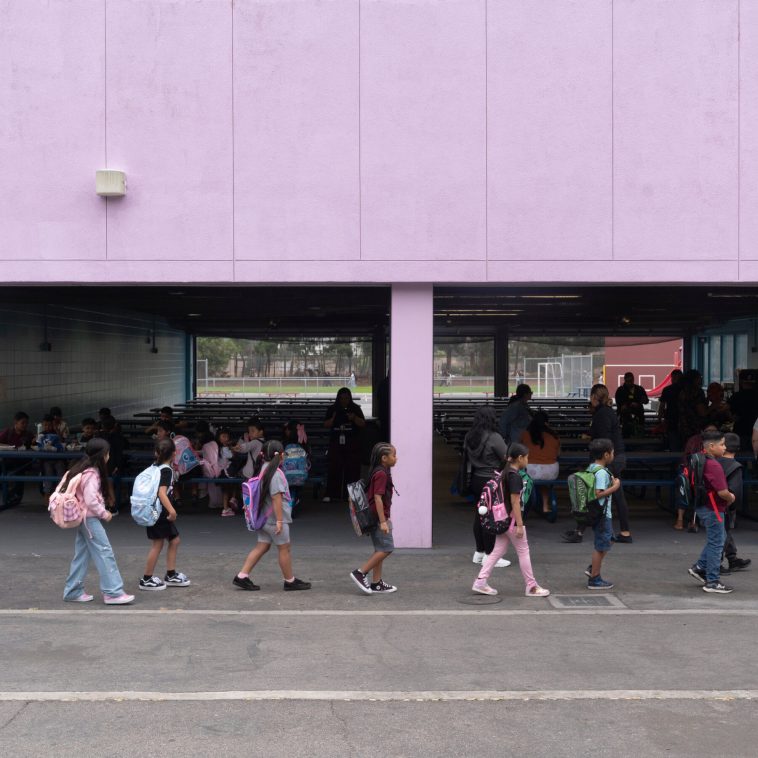

Rethinking the State and Federal Approach to Education
The current state of both elementary and higher education in our nation is a topic that continues to spark animated conversations among educators, parents, policymakers, and community members. Today, we are taking a closer look at the tricky parts of educational policies, the hidden complexities of reform and funding, and the essential need for both local and national leadership. The tangled issues revolving around education funding, curriculum standards, and standardized tests are not only complicated pieces to address but are also at the core of the debate on how we best prepare future generations for success.
Even though the discussion can sometimes feel overwhelming, there are reasons to stay optimistic. Both state and federal efforts have continuously attempted to steer through the twists and turns associated with modernizing education. With a balanced perspective, we can assess what is working, what needs tweaking, and how the various parts of our education system can be further improved to serve every learner.
Challenges in Funding Elementary Education: A Ground-Up View
When we examine elementary education, the focus is often on those early years that lay the groundwork for a child’s academic and personal growth. A number of funding challenges make it nerve-racking for school districts as they try to ensure that every classroom is properly resourced. Yet, by understanding these intimidating issues and identifying clear priorities, communities can take steps to secure a more promising future.
Uneven Funding Distribution and Local Disparities
Elementary schools across the country frequently face a tangled mix of local funding disparities, where some districts receive an abundance of resources while others are left in a struggling position. This uneven distribution is often loaded with issues stemming from local tax bases, historical funding splits, and federal earmarks that favor certain communities over others.
Some of the key points that highlight this disparity include:
- Local levy restrictions contributing to reduced state funding.
- Differing property values leading to variable tax revenues.
- Inconsistent policy implementation across school districts.
- Budget constraints that restrict advanced placement programs and specialized classroom support.
To address these issues, policymakers need to figure a path that balances local autonomy with greater state and federal oversight. This approach might also involve rethinking how educational funds are allocated to ensure that every student, regardless of zip code, has access to a high-quality learning environment.
Impact of Budget Cuts and Resource Allocation
The recurring theme of budget cuts at various levels has had far-reaching effects on elementary education. The scary reality of reduced budgets means larger class sizes and fewer resources – such as updated textbooks, modern technology, and extracurricular programs – that are essential for a well-rounded education. Such cuts make it more challenging for educators to integrate hands-on learning experiences and digital literacy into their curriculum.
Many districts struggle with the following issues:
- A lack of investment in special education.
- Big gaps in infrastructure, including outdated facilities or insufficient heating and cooling.
- Scarce teacher training opportunities that limit the professional growth of educators.
By taking a closer look at these funding issues, school boards and local governments might find creative ways to get around the current financial constraints, including partnerships with local businesses or community fundraisers. These efforts, when coordinated with state-level initiatives, can help buffer some of the challenges related to the tough parts of resource allocation.
Higher Education Under the Microscope: Addressing Long-Standing Issues
Moving up the educational ladder, higher education has its own set of nerve-racking challenges that demand a balanced perspective from both state and federal authorities. There is a growing conversation about college affordability, student debt, and how to best create pathways that allow graduates to enter the workforce confidently. In an era of rapid technological and economic changes, higher education institutions are increasingly pressured to adapt quickly to prepare students with practical, career-ready skills.
Student Debt and Affordability Concerns
One of the most intimidating concerns today is the ever-mounting burden of student debt. With tuition fees climbing and fees continuously increasing to cover additional services, students and parents alike are finding it overwhelming to navigate through the fine points of financial planning for higher education.
Key factors contributing to student debt include:
- The soaring cost of tuition without a proportional increase in state or federal support.
- Living expenses that are not addressed by traditional financial aid packages.
- Economic pressures that make the loan repayment process a nerve-racking challenge for many graduates.
Policy actions that make your way through this challenge include increased transparency in college pricing, enhanced grant programs, and initiatives that encourage public-private partnerships in endowing scholarships. Such measures are critical for ensuring that higher education remains accessible to a diverse population of students.
Aligning Curricula with Workforce Needs
Another important issue facing higher education is the need to update and adapt academic programs to match the ever-changing demands of the modern workforce. With technology evolving at a rapid pace, traditional curriculums sometimes struggle to prepare students for the practical, hands-on jobs of the future.
This situation can be tackled by considering the following approaches:
- Integrating new subjects like coding, data science, and renewable energy principles into traditional curriculums.
- Collaborating closely with industry leaders to provide students with internship programs and real-world experiences.
- Expanding professional development opportunities for faculty so that they can continuously update their knowledge and teaching methods.
By taking a closer look at these small distinctions in curriculum planning, colleges and universities can better prepare their students, making sure that each graduate is not only knowledgeable but also equipped to thrive in a competitive job market.
Integrating Policy and Classroom Practice: Bridging the Gap
One of the recurring discussions in the realm of education revolves around the gap between well-intended policy decisions and the everyday practice in classrooms. There is often a significant gap between what decision-makers hope to achieve and the actual experiences of students and teachers on the ground. This gap is full of problems that require thoughtful and practical solutions.
Engaging Teachers in Policy Formation
Teachers are on the front lines of education, yet they often feel sidelined when important policy decisions are made. By involving educators in the conversation, policymakers can gather insights that help clarify the challenging bits of policy implementation. Teachers have firsthand experience with what works and what does not when it comes to classroom delivery, resource allocation, and student engagement.
Possible avenues for involving teachers include:
- Regular focus groups and surveys that solicit honest feedback on proposed policies.
- Professional development workshops that connect educators with state officials.
- Collaborative curriculum development projects that integrate teacher input.
This more inclusive approach ensures that policies are not only well designed on paper but are also practical in application. After all, teachers hold the key to unlocking student potential on a daily basis.
Practical Strategies for Policy Effectiveness
There are several practical strategies that can help ensure that education reforms translate well into classroom practice. For instance, establishing local advisory boards inclusive of teachers, parents, and community leaders can provide a more grounded perspective. Another approach might involve pilot-testing new initiatives in select districts before a full-scale rollout, allowing policymakers to work through any potential pitfalls on a smaller scale.
Below is a table that summarizes some strategic approaches along with their expected outcomes:
| Strategy | Description | Expected Outcome |
|---|---|---|
| Local Advisory Boards | Form councils that include teachers, parents, and local officials to advise on policy implementation. | More context-sensitive decisions and smoother policy integration. |
| Pilot Programs | Test new policies in willing districts before statewide or nationwide implementation. | Identification of potential issues and more refined policies. |
| Professional Workshops | Regular training sessions for educators to understand new policy details and expectations. | Enhanced teacher preparedness and smoother classroom integration. |
Strategies like these represent small but essential steps that ensure directions from the top translate well into effective classroom practice.
Addressing the Small Twists of Educational Reform Implementation
Educational reform is never a straightforward journey. There are several little twists that stem from policy mandates and administrative expectations. These subtle parts – the fine shades that separate theoretical ideas from practical action – are often the most challenging to manage yet hold the key to long-term success in educational reform.
Balancing Accountability with Flexibility
One of the tougher parts of educational reform is finding the right balance between maintaining accountability and allowing flexibility. Policies that are too rigid can stifle educational creativity, while policies that are too flexible may be too loosely defined to be effective. Addressing this balance is loaded with issues that require pragmatic solutions.
A few approaches that have proven effective include:
- Offering schools the ability to customize curriculum delivery while adhering to core standards.
- Creating feedback loops between state officials and educators to continuously adjust guidelines.
- Using data-driven decision-making to tailor reforms to the needs of specific communities.
This balancing act, though intimidating, is crucial to ensuring that education reforms benefit all students while also supporting the professional freedom of teachers.
Ensuring Equitable Access to Technology and Innovation
In today’s world, technology and innovation have a super important role in driving student success. However, ensuring that every student has equal access to these resources is complicated by disparities that exist both at the elementary level and in higher education. Rural and underfunded urban schools can struggle to keep up with rapid technological advancements, making it challenging to provide an equal learning field.
Key considerations in this arena include:
- Investments in infrastructure to ensure reliable internet access in every school.
- Training programs for educators to effectively integrate new technologies into their teaching.
- Collaborations with tech companies for affordable hardware and innovative educational tools.
By carefully working through these subtle parts, policymakers can ensure that all students enjoy the benefits of a modern, technology-enabled education regardless of where they live.
State Policies and the Local Impact on Classroom Learning
When state and federal initiatives are implemented, their effects often unfold in tangible ways in local classrooms. The state’s role in setting educational standards and allocating resources directly influences the day-to-day experiences of students and teachers alike. Although these changes can sometimes appear off-putting and confusing, they are often driven by an earnest desire to improve educational outcomes and promote equity across the board.
Impact of Standardized Testing and Assessment Policies
One of the most debated aspects of state education policy is the emphasis on standardized testing. While these tests are intended to provide a clear picture of student progress and school performance, the reality is that they can sometimes create a nerve-racking environment for both students and educators. In many cases, educators feel that standardized assessments do not capture the fine points of a student’s capabilities or the little details that make up real learning.
Some points of contention include:
- Teaching to the test instead of fostering creative, critical thinking.
- The stress and pressure placed on students to perform well in multiple areas.
- The potential for narrowing the curriculum to subjects that are easily tested.
To counterbalance these issues, educators and policymakers are exploring alternative models of assessment that emphasize a broader range of skills. These alternative methods may include performance-based assessments, portfolios, and project-based learning initiatives that allow students to showcase their talents in richer, more diverse ways.
Local Autonomy Versus Centralized Control
The balance between local decision-making and centralized control is another challenging bit of policy implementation. While state standards are designed to ensure a baseline level of education for all, local educators need the freedom to tailor their teaching approaches to meet the specific needs of their communities. In practice, this means that a one-size-fits-all approach is often counterproductive.
Effective strategies to reconcile these differences include:
- Decentralized input into curriculum design that reflects community values and needs.
- Local school boards working in tandem with state agencies to co-create policies.
- Innovative district-level programs that serve as models for statewide reforms.
By finding a way to work through these issues, we can help ensure that state policies serve as guides rather than rigid mandates, and that local expertise is harnessed to enrich the learning experience of all students.
Higher Education Reform: Meeting the Demands of a Changing Workforce
The evolution of higher education is central to ensuring that our young adults are well-prepared for the modern workforce. As industries change and new types of jobs emerge, colleges and universities face nerve-racking challenges in continuously updating their core content while also providing support services that address both academic and personal development.
Reimagining Academic Pathways and Degree Programs
Traditional degree programs are increasingly seen as just one part of a broader continuum of learning. Today’s students benefit from flexible options that allow them to combine technical skills with liberal arts, thereby creating a more holistic profile that appeals to a range of employers. The trend towards flexible, interdisciplinary degree programs is a response to the evolving job market, and it represents a shift in how we think about education as a lifelong journey.
Some innovative approaches include:
- Modular degree programs that allow students to mix and match courses based on career interests.
- Stackable credentials that provide immediate benefits for entering the workforce while allowing further academic investment.
- Collaborations between industry and academia to develop courses that reflect current market needs.
These ideas, when implemented correctly, can transform higher education from a static institution into a dynamic ecosystem that adapts to ongoing changes and provides graduates with a competitive edge.
Campus Life, Mental Health, and Student Support Services
The college experience goes well beyond classroom lectures and examinations. A significant amount of attention is now being given to aspects like campus life, mental health, and comprehensive student support services. These areas are essential for maintaining a healthy academic environment and ensuring that every student is set up for success both during their studies and beyond.
Key considerations in this area include:
- Increasing investment in mental health services and peer counseling initiatives.
- Creating robust support systems that address academic pressures and promote work-life balance.
- Developing programs that help students transition from high school to college life seamlessly.
Addressing these needs means recognizing that higher education institutions play a dual role as academic centers and community hubs. A supportive campus environment can significantly mitigate the nerve-racking aspects of academic stress, thereby ensuring that students can focus on learning and personal growth.
The Role of Federal Initiatives in Shaping National Education Standards
Federal education policies have always played a key role in setting the framework within which state and local initiatives operate. While there is often debate about the right balance between local autonomy and centralized directives, federal initiatives can bridge gaps across disparate educational environments. When carefully designed, these policies can lay the foundation for equal educational opportunities nationwide.
Enhancing Accountability through Comprehensive Policy Frameworks
Federal initiatives often bring an essential layer of accountability and comprehensive planning to the education sector. Programs designed and funded at the national level aim to level the playing field, ensuring that every classroom benefits from a baseline of quality instruction. Although such top-down mandates sometimes run into nerve-racking resistance from local communities, their broader intent is to promote equity and consistency across states.
Significant federal areas of focus include:
- Development of rigorous, yet flexible frameworks for accountability.
- Increased federal funding options for underserved communities.
- Implementation of nationwide standards for technology access and educational resources.
By embracing federal guidance while retaining room for local customization, education stakeholders can work together to build an environment where every student benefits from best practices and equal opportunities for success.
Strengthening Public-Private Partnerships in Education Initiatives
Another avenue where federal support has been super important is in promoting strong partnerships between the public education system and the private sector. These collaborations can provide innovative resources, advanced technology, and expertise that may otherwise be challenging to implement within traditional education systems. Federal programs designed to foster such partnerships have helped create learning environments that are more in tune with contemporary workforce needs.
Examples of these collaborative efforts include:
- Joint ventures that bring technological and educational expertise to underserved areas.
- Scholarship programs funded in part by private companies.
- Research and development initiatives that combine academic rigor with industry innovation.
These initiatives help smooth the transition between policy formulation and practical classroom implementation, creating an ecosystem where academic institutions are not operating in isolation but rather in collaboration with a broader community of partners.
Looking Ahead: A Collaborative Approach for Education Reform
In summary, the various state and federal education policies have both promising opportunities and nerve-racking challenges. Whether it is addressing the uneven funding in elementary schools, rethinking the student debt crisis in higher education, or finding a path to integrate policy with classroom practice, it is clear that education reform is a complex, multi-layered process. The delicate balance required between standardization and flexibility, accountability and freedom—these are the little twists that all stakeholders must consider as we work to shape the future of education.
Looking forward, it is essential that educators, policymakers, and communities take a cooperative approach to these challenges. While the policy twists and confusing bits may seem overwhelming at times, collaborative efforts and inclusive decision-making can lead to effective, sustainable reform. Here are a few essential steps for future progress:
- Increase teacher and community involvement in policy decisions.
- Focus on tailored funding strategies that reduce local disparities.
- Enhance accountability mechanisms while preserving local flexibility.
- Promote public-private partnerships to supplement traditional funding and resources.
- Redesign standardized testing to foster creative, real-world skills.
By taking a collaborative approach, we can figure a path that acknowledges the strengths of existing educational frameworks while also addressing their fine points and hidden complexities. This ongoing conversation, though sometimes intimidating, is central to nurturing an educational system that is both fair and forward-thinking.
Empowering Educators and Students for Future Success
It is critical to recognize that education is more than just a series of policies—it’s about people. The heart of every reform lies with the teachers in classrooms and the students who fill the seats. Empowering educators with the right tools and supporting students through robust learning and support programs is super important for creating a system that not only meets today’s demands but is also resilient enough to deal with tomorrow’s unexpected challenges.
The empowerment process can be enhanced by:
- Continual professional learning opportunities for teachers to help them work through ever-changing educational trends.
- Comprehensive mentorship programs that support emerging educators.
- Student support networks aimed at fostering academic, social, and emotional well-being.
This human-centered approach to education reform ensures that every policy decision is ultimately aimed at nurturing potential and inspiring confidence among students, regardless of their background or socioeconomic status.
Policy Reform in a Rapidly Changing World
Our society faces constant change, driven by rapid technological advancements and shifting economic landscapes. Educational policies must be agile to keep up with these changes, and the ability to adapt and modify strategies based on concrete results is key. Both state and federal authorities have been experimenting with pilot programs and localized initiatives that, if successful, can serve as models for broader application.
As we figure a path through these challenging policy twists, it is vital to:
- Solicit regular feedback from grassroots educators and local schools.
- Invest in research that tests emerging educational models in controlled environments.
- Embrace a long-term vision, while being willing to adjust tactics based on grassroots feedback and data.
This ongoing process reflects a dialogue between multiple layers of government, academic institutions, and classroom practitioners. The goal of these efforts is not merely to impose a uniform standard but to clarify and manage the confusing bits while opening pathways for continual improvement and innovation in our education system.
Conclusion: A Balanced and Inclusive Future for Education
In conclusion, the experience of working through state and federal education reforms offers both promising opportunities and challenging hurdles. Every policy initiative—from elementary school funding to higher education reform—carries its own tangled issues and hidden complexities that require deliberate consideration and a collaborative approach. By involving educators, administrators, parents, and policymakers in every step of the process, we stand a much better chance of creating a system that supports all students in a balanced and inclusive manner.
The conversation around educational reform is ongoing, and while the twists and turns of policy details can often appear intimidating, the commitment to creating an environment where every learner can thrive remains paramount. With continued support for teacher input, practical funding solutions, and effective coordination between different layers of government, our education system is poised to evolve in ways that meet the diverse needs of today’s student populations.
Ultimately, solving the tricky parts of education policy is a shared responsibility. It requires not only strong leadership at the state and federal levels but also genuine grassroots engagement. Whether it’s adjusting standardized testing, ensuring equitable access to technology, or redesigning curricula to match workforce demands, every small detail contributes to a larger vision: an education system that is both inclusive and forward-thinking.
As we move forward, let us be reminded that effective education reform is not a destination but an ongoing journey—a journey that demands patience, flexibility, and above all, a collaborative spirit that values every individual’s input in shaping the future of learning in our nation.
Originally Post From https://www.nytimes.com/2025/08/14/us/los-angeles-raids-school-patrols.html
Read more about this topic at
Paraphrase: Write It in Your Own Words
I finally found a prompt that makes ChatGPT write naturally