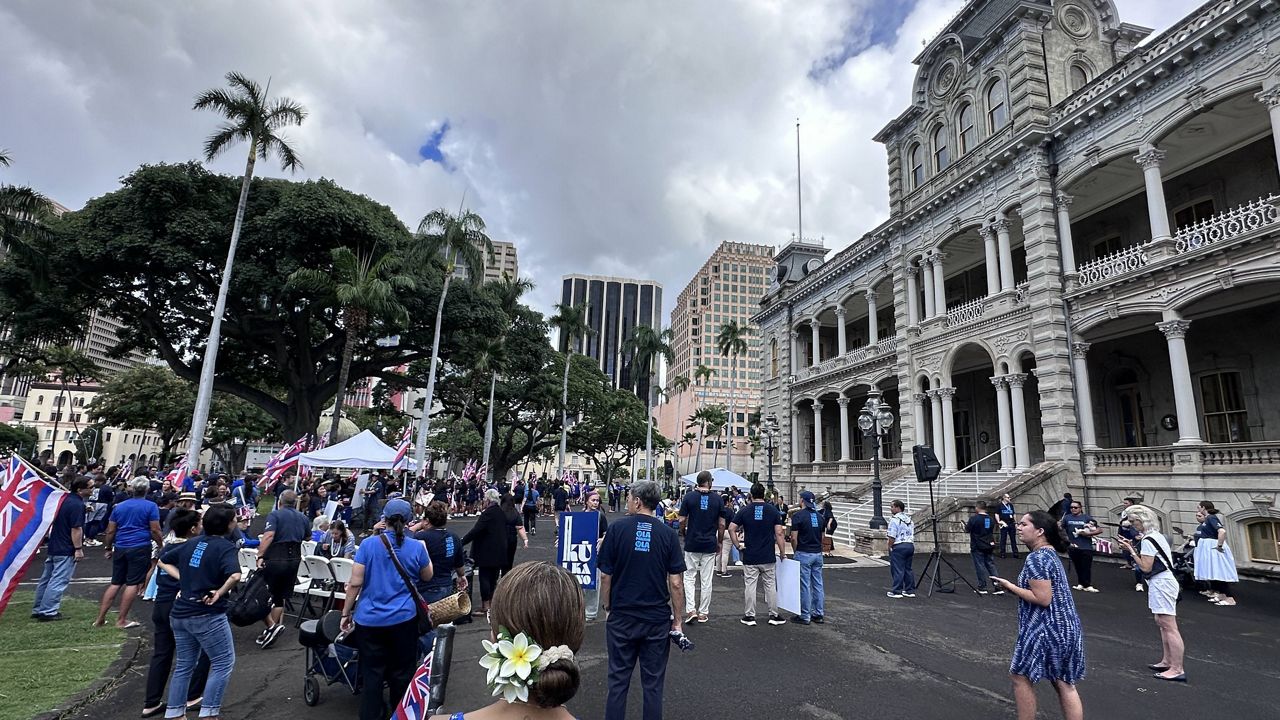
Kamehameha Schools Affirmative Policy: Balancing Cultural Legacy and Modern Legal Challenges
The recent lawsuit filed in Honolulu against Kamehameha Schools has sparked a heated debate about the tricky parts of traditional admissions criteria, cultural preservation, and contemporary notions of equality in education. At the core of this clash lies a policy that gives preference to Native Hawaiian applicants—a policy deeply rooted in the legacy of Bernice Pauahi Bishop, whose will established these schools with the aim of uplifting Native Hawaiians. This op-ed examines the tangled issues surrounding the policy, offers a detailed look at the legal challenges it faces, and explores how this case fits into the broader conversation about racial preference in education.
In today’s educational landscape, the lawsuit has ignited conversations not only about fairness in admissions but also about the role of affirmative programs designed to address historic inequities. As legal battles over similar policies continue to surface across the nation, educators, legal experts, and community leaders are charged with figuring a path forward that reconciles the need for cultural specificity with evolving standards of equal opportunity.
Historical Context of Native Hawaiian Education
Kamehameha Schools were founded following the wish of Bernice Pauahi Bishop to provide accessible education for Native Hawaiians—a community that had long been on the margins due to the disruptive forces of colonization and cultural suppression. The school’s legacy is centered on nurturing future leaders while maintaining and celebrating Hawaiian cultural heritage. This legacy is recognized as essential by many in the local community.
The policy of giving preference to Native Hawaiian applicants was originally designed as a way to remedy the historical disadvantages wrought by U.S. colonization and the overthrow of the Hawaiian Kingdom in 1893. Proponents argue that the tradition was a necessary, culturally sensitive response to very specific issues that continue to affect native populations today. For many, the policy isn’t just an admission strategy—it is a promise to preserve and nurture the unique traditions, language, and history of the Hawaiian people.
However, for others, the policy poses a series of confusing bits regarding modern legal definitions of discrimination. With legal standards that have increasingly called into question the fairness of race-based admissions in various sectors, the current controversy forces us to take a closer look at the fine points of this policy, its origins, and its relevance in contemporary society.
Modern Legal Battles and the Admission Lawsuit
The lawsuit, spearheaded by a prominent anti-affirmative action organization, challenges Kamehameha Schools’ admissions practices by questioning whether the preference afforded to Native Hawaiian applicants violates federal civil rights law. This legal action, which involves Students for Fair Admissions, is part of a larger movement aiming to contest any race-related benefit in educational settings.
One of the nerve-racking aspects of this lawsuit is how it aligns with a broader crackdown on diversity, equity, and inclusion policies. Recent judicial decisions and federal initiatives have strengthened opponents of affirmation programs, thereby creating a more challenging environment for schools with race-conscious admissions policies. Critics argue that a removal or drastic revision of such policies could strip away a crucial mechanism designed to counteract decades of systematic cultural and economic disadvantage.
This controversy reveals several subtle parts of the debate:
- How does a policy that once served as a remedy for historical injustices transform into a potential source of legal and ethical conflict?
- What are the long-term effects on a community when a culturally significant policy is overturned or significantly altered?
- Are there alternative models that can maintain cultural specificity while satisfying modern legal standards?
Such questions illustrate the significant challenges that lie ahead for policymakers, legal experts, and school administrators who must figure a path that both honors cultural heritage and complies with evolving interpretations of civil rights law.
A table summarizing the conflicting perspectives can be a useful tool in understanding the issue:
| Perspective | Arguments For the Policy | Arguments Against the Policy |
|---|---|---|
| Historical Legacy | Rooted in Bernice Pauahi Bishop’s will; aims to restore equity after colonization | May be seen as excluding non-Hawaiian families despite similar needs |
| Educational Opportunity | Offers affordable, high-quality education with a cultural focus | Concerns over the fairness of a policy that favors one racial group in a diverse society |
| Legal Implications | Historically upheld in court; thoughtful consideration of cultural preservation | Viewed as a form of racial discrimination under new legal interpretations post the Supreme Court ruling on affirmative action |
The Broader Debate: Affirmative Action and Cultural Exclusivity
The case surrounding Kamehameha Schools is emblematic of a much larger debate related to affirmative action in education. While some see these policies as essential in correcting historical wrongs, others argue that any race-based preference creates a slippery slope toward discriminatory practices that exclude qualified, yet non-Hawaiian, students.
The discussion is loaded with issues pertaining to the legal, cultural, and ethical implications of race-sensitive policies. On one side, supporters assert that the policy is a super important tool designed to empower a population that has long encountered disadvantages. They point out that without such targeted initiatives, cultural preservation would be at risk, and many native families might not have access to the same high-quality education.
Conversely, opponents believe that an approach which prioritizes any group solely based on ancestry can be seen as excluding others who also have compelling reasons to seek admission, including dissatisfaction with local public school systems or a desire for the unique educational benefits that Kamehameha offers. This view is supported by the underlying idea that equal access should be available to all families, regardless of heritage, which is a concept that has been bolstered by recent court rulings against affirmative action in college admissions.
One key point in this debate is the idea that racial preference in admissions is more than a policy—it is a statement about the identity and values of a community. Here are some of the little details that often get overlooked:
- The intended beneficiaries of the policy are a community steeped in centuries of rich cultural heritage.
- Removing such policies might inadvertently diminish opportunities for cultural rehabilitation that were designed as corrective measures after historical injustices.
- Any change in policy could potentially set a precedent, influencing similar educational institutions across the nation.
Ultimately, the challenge lies in striking a balance between ensuring fairness for all applicants and preserving the unique cultural identity that forms a core element of Kamehameha Schools’ mission.
Impact on Public Perception and the Role of Community Voice
Beyond the courtroom battles, the issue has sparked conversation among educators, students, alumni, and community members throughout Hawaii and beyond. This debate isn’t just confined to legal interpretations—it also plays out in everyday discussions about what constitutes fairness and how cultural heritage should be preserved in a diverse society.
Many Hawaii residents view the specific admissions policy as a critical strategy for maintaining the schools’ cultural mission. They argue that the tradition of prioritizing Native Hawaiian applicants is not meant to exclude other deserving candidates but to ensure that the indigenous culture is given a fighting chance in modern times—a goal that many see as non-negotiable.
At the same time, critics contend that educational institutions should avoid any policies that might lead to tension or feelings of exclusion among non-Hawaiian families. They assert that fairness in admissions should be measured by a standard that guarantees equal access to high-quality education without leaning towards any one racial or ethnic group.
This duality has given rise to several public opinion streams:
- Community Supporters: Those who emphasize the great cultural value and historical necessity of the policy.
- Equal Opportunity Advocates: Those who argue that all applicants should be judged by the same criteria, regardless of background.
- Legal Realists: Those who consider the policy through the lens of current and evolving interpretations of civil rights law.
The interplay between these viewpoints creates a scenario that is full of problems, as well as opportunities to rethink how cultural legacy and equal opportunity are balanced in public policy.
Judicial Precedents and the Future of Affirmative Action in Kamehameha Schools
The legal journey of the Kamehameha Schools policy is a winding one, full of twists and turns that have, at various times, seen courts either strike down or uphold the policy. A pivotal moment came in 2005 when a panel of the 9th U.S. Circuit Court of Appeals ruled that restricting admissions solely to Hawaiians violated federal civil rights law. After further legal maneuvering and a subsequent rehearing, the policy was ultimately upheld—and even resulted in a multimillion-dollar settlement related to an earlier case.
This legal back-and-forth highlights the challenging bits involved when addressing fine shades of racial preference in education. It also underlines the fact that legal standards are in a state of constant flux, influenced by broader political, social, and cultural developments. The current lawsuit serves as a reminder that even well-established policies with deep historical roots are not immune to reevaluation under new legal frameworks.
Legal experts note that there are subtle differences between policies that are clearly designed to address historical inequities and those that simply establish a racial hierarchy. However, distinguishing between these approaches can be nerve-racking, as even small twists in the interpretation of law can result in sweeping changes for how educational institutions set their admissions guidelines.
To summarize some key judicial insights:
- Historical cases show a precedent for upholding policies rooted in cultural preservation.
- Recent Supreme Court rulings on affirmative action have invigorated legal challenges to similar policies.
- Future decisions regarding Kamehameha Schools will likely influence other race-based admissions practices across the country.
Legal policy analysts suggest that any ruling on this lawsuit could have implications far beyond the walls of a single school. It may set the stage for a nationwide reassessment of how we integrate cultural legacy and equal opportunity within educational frameworks.
Understanding Both Sides: Perspectives on Cultural Integrity and Legal Fairness
In this debate, both sides present compelling arguments that deserve careful thought. On one hand, proponents of the admissions policy stress its essential role in preserving a long-overlooked cultural tradition. They argue that the policy isn’t an act of exclusion but rather a means of inclusion—providing a space where Native Hawaiian heritage is celebrated and passed on to future generations.
Supporters also emphasize that the unique academic offerings, combined with a grounding in indigenous culture, position Kamehameha Schools as a beacon of hope for communities historically sidelined by mainstream educational systems. For many, the schools are seen as pillars of the community that help address educational disparities resulting from the traumatic history of colonization and cultural disruption.
On the other side, opponents of the policy argue that any preference based on ancestry risks cementing divisions rather than healing them. They stress that fairness in educational opportunities requires that admissions decisions be made solely based on merit and potential, rather than heritage. This perspective is fueled by broader arguments against any form of racial preference in admissions—arguments that have gained prominence following recent high-profile Supreme Court decisions.
In essence, the debate boils down to these core points:
- Cultural Continuity: The desire to preserve unique cultural identities and histories.
- Equal Opportunity: The need to provide every applicant with an equal chance at a high-quality education.
- Legal Scrutiny: The challenge of ensuring that policies meant to address historical imbalances do not violate contemporary civil rights laws.
Both perspectives offer valuable insights into what many consider to be a highly delicate balancing act. It is important that future decisions in this case are made with an awareness of the deep cultural, legal, and educational implications that stand behind every policy choice.
Economic and Social Implications for the Community
Beyond the legal arena, the controversy surrounding Kamehameha Schools’ admissions policy has broad implications for the economic and social fabric of the community. Given that the schools boast an endowment valued at over $15 billion and consistently receive far more applications than available seats, changes in the admissions policy may have far-reaching effects that extend well beyond the immediate issue of race-based preference.
For many families, the schools represent more than just an educational institution—they are seen as a gateway to networking opportunities, future career prospects, and community development. A change in policy could shift the identity of the institution and alter the dynamics of the local community. The potential economic ripple effects include:
- Altered alumni networks and the potential weakening of community bonds that have been built over generations.
- Changes in community-based support structures, given that the schools often serve as centers for cultural gatherings and local events.
- A broader impact on the standard model of private school admissions, which could influence similar institutions across the country.
The social climate surrounding this issue is equally complex. Many community members express concern that abandoning a policy designed to nurture Native Hawaiian culture is tantamount to ignoring the historical challenges faced by indigenous peoples. At the same time, critics worry that maintaining a policy seen as exclusionary may drive non-Hawaiian families away from the institution, potentially diluting the diversity that many modern educators argue is essential for any well-rounded academic community.
To visualize the economic and social factors at play, consider the following table:
| Factor | Positive Impact of Maintaining Policy | Concerns Over Policy |
|---|---|---|
| Community Identity | Preservation of Native Hawaiian traditions and enhanced cultural pride | Potential for isolation of other demographic groups |
| Economic Networks | Strong, intergenerational alumni ties with supportive local businesses | Risk of reduced networking diversity in a broader economic context |
| Social Inclusion | Empowerment of historically marginalized groups within a culturally safe space | Exclusionary perceptions might lead to community divisions |
Examining the Role of Federal Policy in Local Cultural Education
Another layer to this multifaceted debate is the impact of shifting federal policies, particularly those targeting diversity, equity, and inclusion. The ongoing push by some national administrations to roll back what they view as preferential policies has resonated strongly with the critics of the Kamehameha Schools policy. These critics argue that if public sentiment and legal standards continue to shift toward a more uniform, merit-based admissions process, institutions with culturally specific mandates might face significant pressures to reform.
This federal influence creates additional twists and turns in the local debate. The current legal challenge is not occurring in isolation; it is part of a broader national dialogue about how best to address historical disadvantages without infringing on contemporary definitions of equality under the law. Key points in this discussion include:
- Alignment with Federal Directives: The lawsuit is viewed by some as a reflection of federal efforts to enforce a more standardized interpretation of civil rights law in education.
- Cultural Autonomy: Other voices argue for local control over educational policies, claiming that native traditions and historical contexts must be considered when evaluating the fairness of admissions practices.
- Future Educational Models: The outcome may dictate how other educational institutions structure their programs—especially those with legacies intertwined with indigenous cultures.
With changing federal policies, educational institutions are now forced to figure a path that not only addresses the immediate legal challenges but also anticipates future shifts. This means that administrators must pore over every little twist in the law and every fine shade of established policy to both comply with legal requirements and maintain the spirit of cultural preservation.
Potential Reforms and Alternative Approaches to Admissions
Amid these legal and cultural debates, some educators and policymakers are proposing alternative ways to approach admissions that may address concerns on both sides. Rather than holding a strict preference based solely on ancestry, there are calls to develop a more multifaceted approach that takes into account socioeconomic factors, geographic areas, and other indicators of disadvantage.
One suggestion is to design a hybrid admissions model that incorporates multiple criteria. This alternative approach would allow educational institutions to simultaneously recognize the unique historical and cultural needs of Native Hawaiian students while also ensuring that qualified students from all backgrounds have a fair shot.
For example, an alternative admissions strategy might include:
- Socioeconomic Considerations: Factoring in family income levels and the economic challenges faced by applicants to create a more balanced view of disadvantage.
- Community Engagement: Evaluating applicants based on their involvement in community service and cultural activities, which may demonstrate a commitment to local heritage.
- Academic Merit and Leadership: Maintaining robust academic criteria while also emphasizing leadership potential as a means to gauge future contributions to the community.
Such a model would not only adhere to contemporary legal requirements but could also help manage the off-putting perception that comes with any admissions process overly reliant on a single factor. The idea is to protect the noble intent of the policy—cultural preservation—while addressing concerns of exclusion and limited fairness.
A table below outlines a potential framework for a more inclusive admissions policy:
| Criteria | Purpose | Potential Benefits |
|---|---|---|
| Cultural Heritage | Recognize applicants with Native Hawaiian lineage | Continues the legacy of cultural preservation |
| Socioeconomic Status | Assess economic hurdles faced by applicants | Ensures opportunities for economically disadvantaged families |
| Academic Achievement | Measure merit and academic potential | Maintains educational excellence and fairness |
| Community Involvement | Evaluate contributions to local and cultural community initiatives | Encourages civic engagement and a sense of responsibility to community values |
This approach promises to address some of the very nerve-racking concerns raised by both advocates and critics while still preserving the core identity of educational institutions steeped in tradition. It represents a potential path forward in an era where both cultural heritage and modern legal ideals hold key positions in public policymaking.
Local Voices Versus Outsider Perspectives
One of the most charged aspects of this legal battle is the tension between local perspectives and those of perceived “tone deaf outsiders.” Many in Hawaii argue that critics of the Kamehameha Schools policy lack a full understanding of what it truly means to be Native Hawaiian. They see the litigation as an imposition of outside values that do not appreciate the historical nuances and the deep, sometimes complicated pieces of Hawaiian identity.
Local leaders, including influential state lawmakers and community activists, have expressed concerns that attempts to redefine or eliminate the preference policy may inadvertently erase the lived experiences of Native Hawaiians. They remind us that the policy was born out of a context of historical injustice—a context that is essential for understanding why a culturally specific admissions process was implemented in the first place.
Key points from the local standpoint include:
- The importance of maintaining a connection to Hawaiian heritage and history in educational settings.
- The fear that legal challenges could lead to a loss of services and programs that directly benefit the local community.
- The belief that outsiders may underestimate the role that native culture plays in nurturing not just academic success, but also holistic community well-being.
Meanwhile, critics and legal activists, some of whom have aligned themselves with broader national movements against affirmation action, caution that policies favoring any race carry the risk of becoming exclusionary. They stress that fairness in a pluralistic society must be continuously reassessed, especially as legal interpretations evolve. Their concerns highlight the delicate dance of working through policies that carry both historical weight and modern legal challenges.
Looking Ahead: The Road to Resolution
As the legal battle continues and arguments on both sides grow louder, the future of Kamehameha Schools’ admissions policy remains uncertain. The outcome of this lawsuit will likely have lasting repercussions, not just for one institution but for the entire public education framework in the United States. What is certain is that the case encapsulates the nerve-racking task of reconciling past injustices with current legal perspectives.
Moving forward, we are likely to see increased calls for comprehensive reviews of race-based policies within educational institutions. Stakeholders from all sides will need to figure a path that honors cultural heritage while embracing principles of equality and fairness in modern society. In the coming months and years, both legal experts and community leaders will have to steer through this contentious terrain, which is replete with both fine points of cultural identity and challenging bits of legal precedent.
This case reminds us that education is not simply about imparting knowledge—it is intrinsically linked to cultural identity, community empowerment, and even national policy. It forces us to take a closer look at how educational institutions serve as the confluence of historical legacy and contemporary values.
The conversation isn’t limited to the courtroom: it is being debated in classrooms, community centers, and even around dinner tables throughout Hawaii and beyond. Such discussions are a clear sign that while legal judgments may settle the technical aspects of admissions policies, the broader societal questions about identity, inclusion, and equity will persist for years to come.
Concluding Thoughts: Tradition, Fairness, and the Future of Education
In conclusion, the lawsuit challenging Kamehameha Schools’ admissions policy highlights some of the most complicated pieces in the ongoing debate over race-based preferences in education. Balancing the need to preserve a powerful cultural legacy with evolving legal standards is a tangled issue that requires patience, understanding, and innovative thinking.
Supporters of the tradition argue that preserving Native Hawaiian cultural heritage in educational settings is not just a nod to the past—it serves as a super important investment in the future of the community. Opponents, on the other hand, demand that admissions processes be free of any form of exclusion based on race, favoring a model that prioritizes merit and equal opportunity.
The path forward will require all stakeholders—legal experts, educators, community leaders, and policymakers—to get into a sincere dialogue that respects the historical context while also addressing modern-day legal challenges. It is a reminder that in our quest to safeguard the rich tapestry of cultural heritage, we must also ensure that our educational policies are fair, inclusive, and adaptable to the ever-changing nuances of society.
Ultimately, whether through a reformed admissions model or through legal precedents that honor traditional practices, the outcome of this case will shape the future of education not only in Hawaii but also in other communities where the legacy of cultural preservation is a core value. The case encourages us all to poke around the fine details, to consider every subtle part of what we mean by fairness, and to work collectively toward an educational system that respects both tradition and equal opportunity.
As both local voices and national standards continue to evolve, only time will tell if the policy can be effectively reconciled with modern legal expectations. For now, this lawsuit serves as a powerful reminder that the journey to balance cultural preservation with contemporary equality is filled with both challenges and opportunities—an ongoing dialogue that is as essential as it is complex.
Originally Post From https://abcnews.go.com/US/wireStory/federal-lawsuit-challenges-private-school-preference-native-hawaiians-126705507
Read more about this topic at
Racial Preferences May End, but the Fight Will Continue
Racial Preferences May End, but the Fight Will Continue |