Colby College’s Cross Country Qualification: A Testament to Resilience and Determination
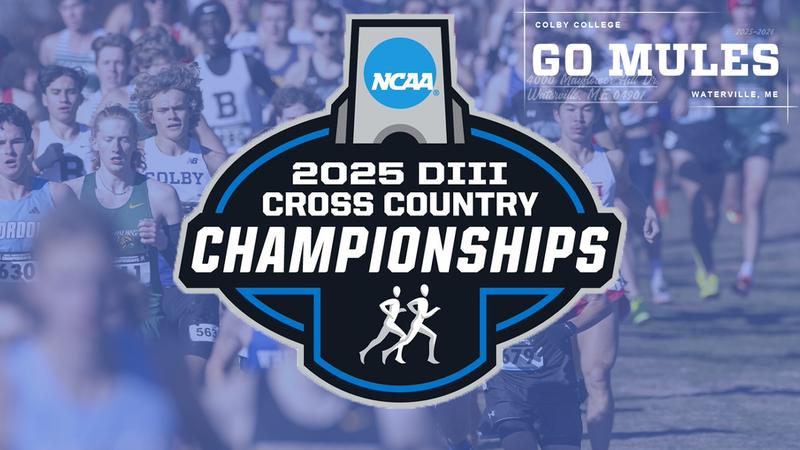
Colby College’s recent qualification for the NCAA Division III Cross Country Championships is not merely a sports milestone; it is a narrative of resilience, effort, and the spirit of collegiate athletics. As the team gets ready to compete in Spartanburg, South Carolina, at the Roger Milliken Center, it offers an opportunity to reflect on the often tangled issues and tricky parts of balancing academic commitments with the demands of high-level sports. This opinion editorial dives deep into the ways in which these athletic achievements not only build student character but also provide a prism through which we can examine state and federal education policies that impact higher education sports.
The qualification of the men’s cross country team – a feat not seen since their collective appearances in past years – is more than a win on the scoreboard. It symbolizes the careful planning, rigorous training, and strategic decision-making that are essential in forging paths to success in collegiate athletics. Similarly, the emergence of sophomore Ada Grant as one of the region’s top individual contenders in the women’s team speaks to the unique blend of talent and hard work that drives success both on and off the field.
Reflecting on the Journey: Overcoming Twists and Turns in Collegiate Athletics
Every college athlete’s journey is filled with twists and turns – a series of small victories and learning experiences that aggregate into national achievement. The race to the NCAA Championships is not an isolated event but a culmination of countless hours of training, strategic planning, and personal sacrifice. As we take a closer look at Colby College’s trajectory, we can see how the institution has steadily built an environment in which its athletes are empowered to excel.
The process of making it to the championship is loaded with issues that range from logistical planning to navigating the many subtle details of mentoring and coaching. In the case of Colby’s cross country teams, a third-place finish among 32 teams at the East Regional – held at the Hopkinton Fairgrounds in New Hampshire – was the result of carefully addressing each of these fine points. The culmination of positive coaching practices, strategic race planning, and a culture that values persistence over immediate success has helped the team overcome many intimidating challenges.
State and Federal Policies: How Do They Impact Collegiate Sports?
The success story at Colby College invites a broader discussion about state and federal education policies, and how they affect college sports programs. At a time when the role of athletics in academic institutions is scrutinized through the lens of budgetary constraints, policy reforms, and shifting public expectations, events like these provide a clear example of the positive impact of well-crafted policies.
Across the United States, educational policies at both state and federal levels play a key role in shaping the environments that allow college sports programs to flourish. Strategic investments in affordable facilities and improved student-athlete resources are critical elements that make a tangible difference. For Colby College, the emphasis on solid academic-athletic balance has been evident in every aspect of its curriculum and extracurricular planning.
By integrating sports, academics, and personal development, colleges can ensure that athletes are well-prepared for life beyond competition. Policy initiatives—ranging from enhanced funding for recreation facilities to improvements in nutrition and sports medicine—demonstrate how education policies can nurture nurturing environments where student-athletes thrive. When these elements are in harmony, the resulting outcomes are often visible at events like the NCAA Championships.
The Role of Teamwork and Individual Brilliance
In many ways, collegiate sports mirror the dynamics of any collaborative academic or professional setting. Success relies heavily on the effectiveness of teamwork, and on the ability to manage your way through both collective and individual challenges. The men’s team’s performance, having qualified as a unit for the national championship, underscores how a well-coordinated group effort can overcome even the most nerve-racking pressures. Meanwhile, Ada Grant’s individual accomplishments remind us that while teamwork is essential, individual talent and determination are equally important.
To provide a clearer picture of the dual nature of athletic achievement at Colby, consider these bullet points:
- Team Coordination: Persistent practice sessions, effective communication among team members, and a united approach to strategy.
- Individual Brilliance: Personal accountability for each athlete’s training, mental preparation, and performance during races.
- Coaching Guidance: The importance of experienced mentors who can steer athletes through the challenging bits and hidden complexities of advanced competition.
This duality is a reflection of life itself, where both group dynamics and individual efforts combine to achieve success. In the realm of education and beyond, learning how to harmonize these elements is an invaluable life lesson.
Event Details and Scheduling: Understanding the Fine Points of Competition Logistics
The NCAA Championships scheduled for November 22nd in Spartanburg represent a critical event on the collegiate sports calendar. The men’s 8k race, set to begin at 10:00 AM, followed by the women’s 6k at 11:00 AM, is arranged to provide a balanced opportunity for both teams to showcase their abilities. Behind these seemingly straightforward details lie a number of tricky parts related to event scheduling, facility readiness, and broadcast logistics.
Let’s break down some of the essential components that make such event scheduling possible:
| Component | Description | Impact on Athletes |
|---|---|---|
| Race Timing | Precise start times for each race ensure fair competition and optimal conditions for the athletes. | Minimizes anxiety and helps athletes manage pre-race routines effectively. |
| Venue Preparation | Ensuring the course is safe, well-marked, and in optimal condition for competition. | Provides a level playing field where performance is determined by effort and skill. |
| Broadcasting | Live streaming on platforms such as NCAA.com makes the event accessible to a larger audience. | Enhances the college’s visibility and provides additional motivation for competitors. |
The coordination required to manage these details is a superb example of how educational institutions must also figure a path through the challenging logistics of hosting major athletic events. Apart from the technical considerations, there exists a broader narrative that speaks to the institution’s commitment to providing transparent, accessible, and high-quality sports events for its community.
Balancing Academics and Athletics: The Dual Role of College Sports
One of the recurring themes in the realm of higher education is the constant balancing act between academics and athletics. For many student-athletes, maintaining academic excellence while also preparing for national competitions is a tough, nerve-racking challenge. Colby College stands as a shining example of how institutions can offer a supportive environment that nurtures both athletic potential and academic achievement.
This duality is not without its tricky parts. Student-athletes are required to coordinate busy schedules, manage time efficiently, and sometimes sacrifice leisure to make time for rigorous training sessions and academic assignments. Faculty and administrative staff play a super important role in ensuring that these young individuals can pursue both facets of their college experience without overwhelming stress.
Below are some strategies that institutions often employ to help student-athletes balance their dual roles:
- Flexible Scheduling: Offering adaptable class schedules and online course options for athletes.
- Academic Support: Tutoring services, study halls, and dedicated academic advisors who understand the unique challenges of balancing sports and studies.
- Mental Health Resources: Access to counseling and stress management programs that help maintain a healthy balance between physical exertion and study pressures.
- Time Management Workshops: Training sessions focused on planning and prioritizing both academic and athletic responsibilities.
By addressing these subtle details and providing targeted support, colleges can ensure that student-athletes are not only successful on the course but are also well-prepared for their academic futures.
Media Coverage and the Digital Age: Enhancing Access and Transparency
The digital landscape has radically transformed how college sports are consumed and celebrated. Live-streamed events, real-time updates, and interactive media channels have made it easier for audiences to get into the heart of competition without being physically present. For Colby College, this means that the achievements of its teams are broadcast to broader audiences, adding to the sense of pride and community involvement.
Digital platforms such as NCAA.com offer streaming of live races, detailed race recaps, and interactive statistics that provide fans with a deeper level of engagement. With technology evolving at a rapid pace, the media coverage of college events has also seen improvements in clarity, accessibility, and speed. This trend not only benefits the institutions by increasing their visibility and fan base, but it also helps prospective student-athletes better understand what to expect when joining a competitive sports program.
Key benefits of this digital focus include:
- Increased Transparency: Live streaming ensures that every twist and turn of the race can be monitored by fans and stakeholders alike.
- Broader Reach: With events now accessible online, alumni and prospective students can follow their teams regardless of geographic boundaries.
- Enhanced Storytelling: Digital media allows for a richer narrative, combining video, interactive graphics, and in-depth commentary that give viewers a more immersive experience.
This convergence of technology and sports is a microcosm of how modern society values accessibility and immediacy. It underscores the importance of making high-quality content available to a diverse audience, which, in turn, enhances community spirit and institutional pride.
Policy Considerations: Funding, Accessibility, and Future Directions
The success observed in collegiate sports programs like those at Colby College brings into focus a number of policy considerations at the federal and state levels. Funding for athletics is often one of the most confusing bits and tangled issues for educational administrators. As public funds and private donations continue to flow into collegiate sports programs, there arises an immediate need to ensure that these resources are managed efficiently and equitably.
Policymakers must consider several key factors:
- Sustainable Funding Models: Allocation of funds must be fair, transparent, and designed to support both athletic and academic pursuits.
- Facility Upgrades and Maintenance: Continued investment in sports facilities ensures that student-athletes have safe and up-to-date environments in which to train and compete.
- Student-Athlete Support: Policies that provide comprehensive support systems—including academic advising, mental health resources, and career counseling—are critical to long-term success.
- Equity and Inclusion: Ensuring that sports programs benefit all students and do not inadvertently sideline opportunities for underrepresented groups is a must-have element of modern educational policies.
These factors, though they may seem like mere administrative details or overwhelming challenges to streamline, carry long-term implications that can define the quality and sustainability of collegiate athletics. When managed wisely, the funding and policy frameworks supporting these programs can significantly enhance opportunities not just for athletes, but for the entire college community. The experience of participating in a national championship serves as a super important validation of these efforts.
Lessons Learned: The Hidden Complexities Behind the Glory
It is easy to celebrate the outcomes of a successful qualification or victory without acknowledging the off-stage hard work that makes such accomplishments possible. The process is rife with challenging dimensions—from figuring out driving strategies during races to addressing the often-overlooked emotional and logistical components of academic-athletic balance.
Every athlete and coach involved in a championship-caliber race has had to work through several overwhelming and intimidating moments. The decision-making process, training regimens, and mental preparations involve a series of subtle parts and fine shades that only come into full view during reflective retrospection. Some of these include:
- Training Regimens: Routines are adjusted based on weather conditions, terrain differences, and individual physical and mental performance. These nitty-gritty details might appear trivial but are essential for a consistent performance.
- Team Dynamics: Balancing individual competitiveness with team support requires thoughtful leadership and an understanding of each athlete’s strengths and weaknesses.
- Emotional Resilience: Coping with the nerve-racking pressure of competition involves more than just cardiovascular training; it also demands mental fortitude and a supportive communal environment.
Reflecting on these hidden complexities helps in appreciating not only the athletic prowess that is on display in competitive events, but also the broader social and educational contexts that nurture this talent. Every step forward in the race is symbolic of the collective effort and sacrifice made by coaches, athletes, and administrators alike.
Building the Future: How Collegiate Sports Inspire Broader Educational Goals
Collegiate sports, including cross country events at institutions like Colby College, serve as more than just competitions; they are incubators for future leaders. The lessons learned on the tracks – such as managing your way through tough times, handling stressful situations, and collaborating with a diverse group of teammates – translate into critical life skills. When considering the broader role of education, these experiences add an essential dimension to personal and professional development.
In a broader context, collegiate sports contribute to:
- Community Engagement: Local communities and alumni networks rally around their college teams, resulting in a sense of shared purpose and extended support networks.
- Character Building: The challenges faced during training and competition build character, persistence, and an appreciation for teamwork that transcends the sports arena.
- Educational Integration: Successful athletic programs often drive improvements in academic support systems, technology integration, and the expansion of faculty resources focused on wellness and performance.
By empowering student-athletes to achieve excellence in both sports and academics, institutions affirm their commitment to developing well-rounded individuals. The impact goes far beyond the track—it lays the groundwork for future academic and career achievements, which, in effect, contribute positively to the economy, innovation, and societal well-being.
Coaching and Mentorship: The Backbone of Athletic Achievement
No discussion of collegiate sports achievements would be complete without acknowledging the role of coaches and mentors. At Colby College, the coaching staff’s ability to steer through both the obvious and confusing bits of athletic training has been instrumental in reaching nationals once again. Their methodologies often involve making your way through layered challenges—learning from every twist and turn while continuously challenging the status quo.
The impact of effective mentorship is clear when you consider the following areas:
- Goal Setting: Coaches help athletes set realistic and aspirational goals that encourage gradual improvement and sustained effort.
- Personal Development: Mentorship goes beyond the track; it includes building self-esteem, resilience, and leadership capabilities.
- Technical Guidance: Detailed training sessions, feedback on performance, and individualized exercise regimens address those subtle points that can improve outcomes in each race.
- Life Lessons: Beyond physical training, coaches model values such as hard work, integrity, and perseverance that inspire athletes long after they leave college.
This structure of coaching not only helps in achieving competitive success but also instills values that serve athletes well in all future life endeavors. In many ways, the success of a team is a direct reflection of the quality of its leadership—a lesson that is as super important off the track as it is during competition.
Community Impact and the Role of Alumni
Collegiate athletics thrive on the energy of entire communities. The responsiveness of alumni, fans, and local supporters plays a critical role in both the financial and emotional support that college sports programs rely on. Colby College’s recent qualification for the national championships is a shared victory that resonates far beyond the campus boundaries and unites a diverse network of stakeholders.
Key points on community impact include:
- Alumni Engagement: Many former athletes now in influential roles provide mentorship, networking opportunities, and even financial support that further elevate the program’s profile.
- Local Pride: The local community’s enthusiasm serves as a constant reminder that higher education and athletics are deeply interwoven societal values.
- Economic Benefits: Sporting events attract visitors, boost local commerce, and, in many cases, culminate in lasting partnerships between the college and local businesses.
This synergy between community and college illustrates how environmentally supportive networks contribute to the overall success of collegiate sports programs. When viewed through the lens of broader educational policy and community engagement, the benefits of supporting these programs extend well beyond the finish line.
Training Innovations and Future Prospects
The future of collegiate cross country events is likely to be shaped by innovative training techniques and a continuous commitment to overcoming every nerve-racking challenge that comes with competition. Coaches and sports scientists at institutions like Colby College are increasingly adopting a holistic approach to training that integrates physical conditioning, nutritional guidance, and mental performance strategies.
Some promising trends include:
- Data-Driven Training: Collecting and analyzing performance metrics to tailor training regimens that address individual strengths and areas needing improvement.
- Holistic Wellness Programs: Incorporating practices such as mindfulness, stress management techniques, and advanced nutritional planning to complement physical training.
- Collaborative Technology: Utilizing wearable devices and real-time feedback systems to monitor athletes’ progress and adjust training plans on the fly.
- Interdisciplinary Research: Collaborative efforts between departments of sports science, psychology, and physiology help refine training methodologies and promote long-term athlete well-being.
These methods represent the modern twist in collegiate sports training. By embracing both new technology and traditional mentorship, programs can better support athletes as they find their path through the maze of physical and mental challenges. Such a balanced approach is essential as competitions become more intense and as the bar of excellence continues to be raised.
The Broader Debate: Should Athletics Be Central to Higher Education?
The success of Colby College’s cross country teams inevitably leads to a broader question: Should athletics be central to the mission of higher education? While some argue that sports can distract from academic goals, the benefits of integrating athletics into the college experience are significant and multi-faceted. When managed wisely, athletic programs can stimulate campus life, provide unique learning opportunities, and serve as a practical ground for exercising leadership and teamwork skills.
Those in favor of a robust collegiate athletics program often cite the following advantages:
- Enhanced Campus Life: Athletic events create a vibrant campus culture that fosters school spirit and community engagement.
- Holistic Development: Participation in sports teaches time management, discipline, and perseverance—qualities that are transferable to academic and professional settings.
- Increased Visibility: Successful sports programs often enhance an institution’s public profile, attracting prospective students and talented athletes from around the globe.
- Economic Impact: Revenue from ticket sales, merchandise, and media rights can support broader academic initiatives and facility improvements.
Critics, on the other hand, caution that overemphasis on athletics can detract from academic priorities. They argue that the pressure to perform in multiple spheres can be overwhelming, leading to potential neglect of academic excellence. However, as demonstrated by institutions like Colby College, a well-managed balance is not only possible but also incredibly rewarding.
Ultimately, the decision to support collegiate athletics should be based on an objective assessment of both the benefits and the tricky parts involved. With careful planning and continued policy innovations, the integration of sports in higher education can continue to yield substantial benefits for students, faculty, and entire communities.
Looking Ahead: The Long-Term Impact of Collegiate Athletic Success
As we look to the future, the enduring impact of collegiate athletic success becomes apparent not only in the immediate thrill of competition but also in the lasting effects on individual lives and communities. The recent qualification of Colby College’s cross country teams for the NCAA Championships is a prime example of how achievements in sports pave the way for broader educational and societal benefits.
This success story sends a clear message: when institutions invest in both the academic and athletic development of their students, everyone benefits. The lessons learned on the racecourse—whether it be through working through nerve-racking race scenarios or getting into the fine points of personal discipline—resonate far beyond the track. These experiences build a foundation for lifelong success, underscoring the essential role that collegiate sports play in shaping well-rounded individuals.
Moreover, the influence of these events extends into various facets of society:
- Inspiration for Future Generations: Young students can see firsthand that with dedication and support, even the most intimidating challenges can be overcome.
- Stronger Institutional Ties: The shared experiences of athletes, alumni, and community members foster lasting bonds that strengthen the identity and reputation of the institution.
- Economic Growth: Athletic successes contribute to local and regional economies, from increased tourism during events to the broader economic uplift associated with a positive institutional reputation.
These broad themes highlight that the benefits of a successful athletic program are multi-dimensional. They extend from the micro-level of individual growth to the macro-level of economic and social development, making collegiate sports a key component of the modern educational landscape.
Conclusion: A Celebration of Achievement and a Beacon for Future Progress
The story of Colby College’s cross country qualification is an inspiring reminder of what can be achieved when determination, community support, and effective policy merge in the pursuit of excellence. It illuminates the path for other institutions striving to balance the tricky parts of academic rigor with the twists and turns of athletic competition.
At its core, this achievement is not just about racing against the clock on a challenging track; it is about building character, developing resilience, and creating a supportive environment where young athletes can navigate through their nerve-racking challenges with confidence. The collective effort of athletes, coaches, administrators, and policy makers alike has led to this moment of pride—a moment that serves as a beacon for future progress in collegiate sports.
As we eagerly anticipate the upcoming races on November 22nd, it is important to appreciate both the immediate thrill of competition and the long-term benefits of a well-rounded collegiate experience. Through innovative training, strong mentorship, and a dedication to managing both the academic and athletic components of student life, Colby College has set a high bar. Their journey provides valuable lessons about perseverance, community, and the pivotal role of sports in higher education.
In the final analysis, the success of Colby’s cross country teams is a story that resonates far beyond the boundaries of the track. It is a narrative of hope, commitment, and strategic thinking—a narrative that showcases how even in the face of overwhelming and intimidating challenges, it is possible to excel and inspire. As collegiate sports continue to evolve, let this achievement stand as a tribute to what can be accomplished when every stakeholder is committed to nurturing both talent and character.
Looking ahead, the lessons learned from this journey will undoubtedly inform future policies, shape the strategies of other athletic programs, and inspire the next generation of student-athletes to not only participate but also thrive. Colby College’s story is a vivid reminder that, while the road to success is full of tricky parts, every step taken with determination and a collaborative spirit moves us closer to achieving greatness in both athletics and education.
Originally Post From https://colbyathletics.com/news/2025/11/20/mens-cross-country-distance-track-colby-set-to-compete-in-ncaa-championships.aspx
Read more about this topic at
Morris Remains Undefeated, #17 Mules Qualify for Nationals …
Mules Golf Qualifies for NCAA-II Central/Midwest Super …