Understanding the Chicago Public Schools Budget Dilemma
The challenge facing Chicago Public Schools (CPS) has taken center stage, as district leaders confront a $734 million deficit for the coming academic year. In this editorial, we take a closer look at the district’s fiscal strategy, examine the implications of their decision to avoid borrowing, and discuss the broader context in which these funding decisions are made. As we dig into the issue, we must consider the tricky parts of state and municipal budgeting, the tangled issues of political pressure, and the confusing bits of how current financial tactics might shape the future of public education.
A Closer Look at CPS Leadership’s Fiscal Strategy
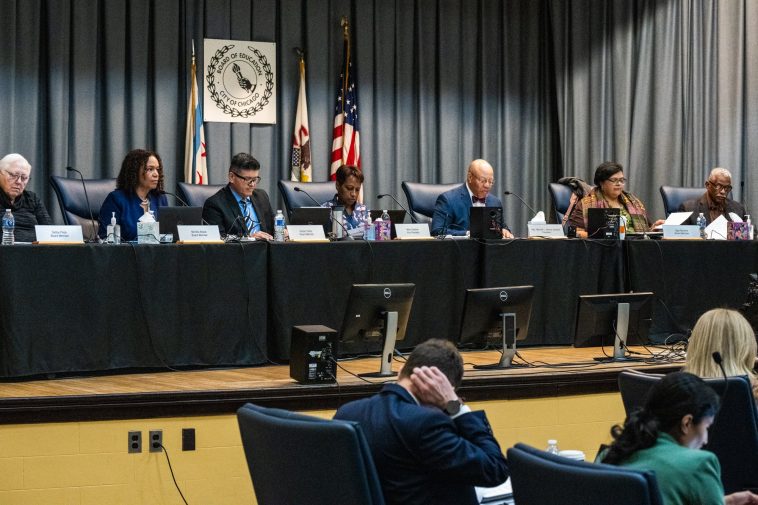
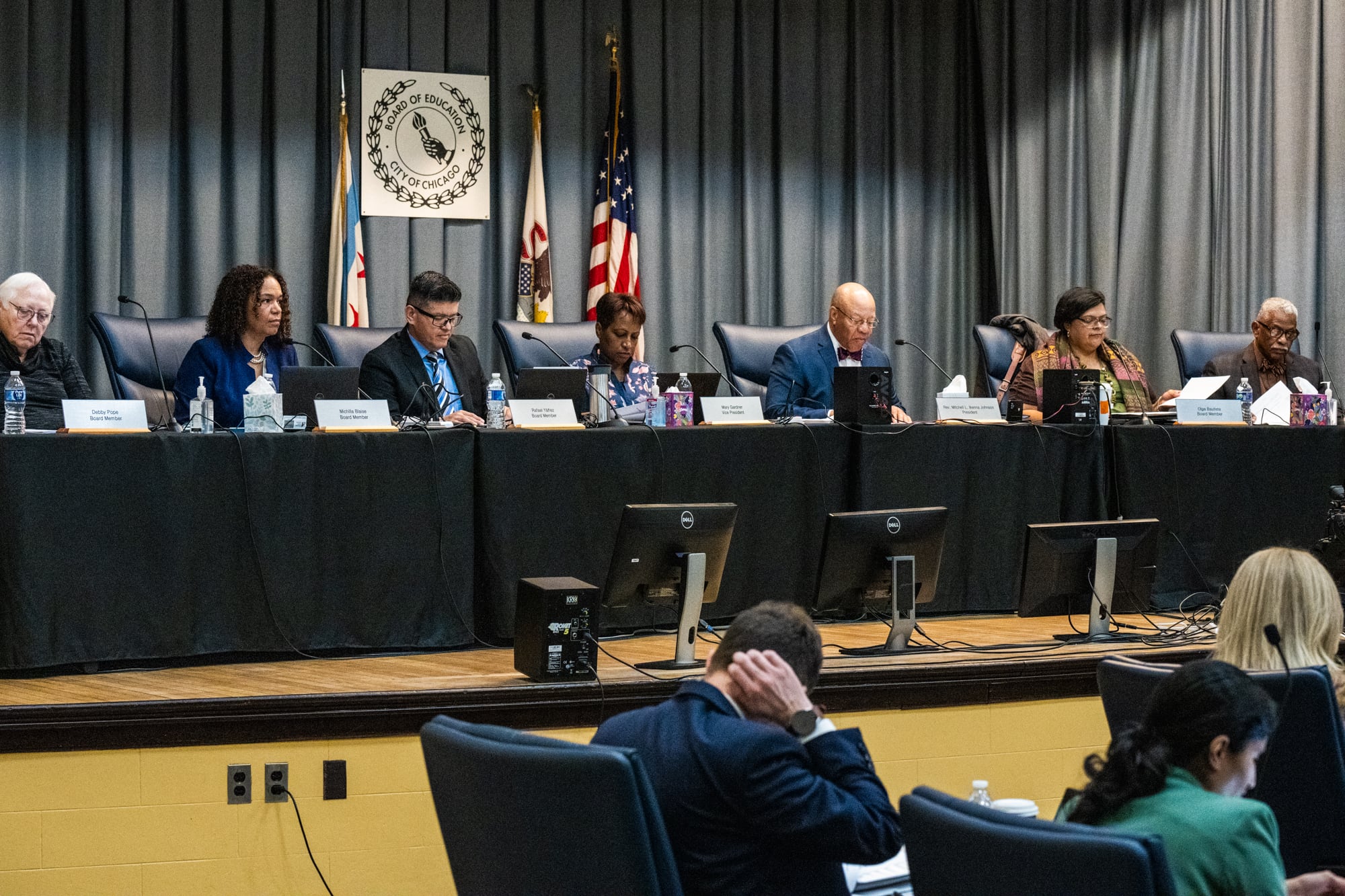
At a recent public meeting before the CPS Board of Education, newly appointed CEO Macquline King and her team presented their plan for addressing the budget gap. The proposal explicitly ruled out the option of borrowing money to meet operating expenses – a path that was pushed by Mayor Brandon Johnson’s office. According to the district Budget Director, Michael Sitkowski, borrowing would only lead to a debt burden that escalates operating costs in the long run. In his view, taking on a high-interest, short-term loan is a slippery slope that could push CPS into a cycle of credit downgrades, higher interest rates, and forced cuts affecting staff and programs.
This decision to forgo borrowing is not new to the district. In fact, it echoes the strategy employed by former CEO Pedro Martinez before he was removed from his post. By rejecting the borrowing option and transferring the burden of a $175 million employee pension payment onto the city (unless additional funds are supplied by the state or city), CPS leadership is staking its claim on a particular approach to fiscal responsibility – one that is both bold and not without controversy.
Avoiding Short-Term Borrowing: Intimidating or Insightful?
One of the key points of debate revolves around the district’s deliberate avoidance of short-term borrowing. On one hand, the strategy may seem intimidating or even nerve-racking to some administrators and community members, as it rejects a quick fix in favor of a more conservative, long-term approach to budgeting. However, others argue that borrowing for operating expenses would inevitably spiral into a long sequence of smaller cuts to programs and services, which are essential to providing students with a quality education.
There are several fine points to consider in this decision:
- Long-Term Financial Stability: By steering clear of debt, CPS is aiming to secure a more stable financial footing. This careful approach treats the decision as a key step in preserving the credit rating of the district and ensuring that future borrowing, if needed, is on more favorable terms.
- Impact on Educational Programs: Borrowing might provide immediate relief, but it could also delay the availability of funds for classroom resources, special programs, and support services that benefit students directly.
- Fiscal Reputation: A commitment to avoiding unsustainable borrowing sends a message of fiscal discipline to bondholders, credit rating agencies, and policymakers alike.
This strategy is not without its critics. Some board members and city officials have voiced concerns that by refusing to engage in borrowing, the district could be ignoring a practical solution to an overwhelming fiscal challenge. However, the approach clearly reflects CPS leadership’s intent to rely on more creative budgeting measures, such as tapping into Tax Increment Financing (TIF) funds, restructuring debt, and absorbing cuts outside of the classroom.
Historical Reflections: Learning from Past Fiscal Decisions
The current approach by CPS leadership is reminiscent of earlier actions taken by the district under former CEO Pedro Martinez. His decision to reject a high-interest loan had both supporters and detractors, and it continues to influence how the district is viewed today. By choosing to adopt a similar strategy, current leaders are not only reinforcing a legacy of fiscal conservatism but are also highlighting the potential pitfalls associated with high-risk borrowing strategies.
Let’s take a closer look at some of the historical lessons that CPS seems to be learning from:
- Resistance to Quick-Fix Solutions: Both past and present leadership have recognized that while borrowing might temporarily fill the budget gap, it comes at the expense of long-term financial health. Responsible stewardship of public funds means avoiding measures that could lead to a downward spiral of financial instability.
- Maintaining Credibility: Decisions made in the past have shown that a district’s credit rating is closely tied to its willingness to engage in borrowing. Current leaders seem committed to protecting that financial credibility, fearing that easy money could land CPS in further trouble down the line.
- Community and Political Reactions: Previous decisions, though controversial, have always sparked intense debate among parents, teachers, and board members. Recognizing this, the current leadership appears keenly aware of the political implications of their decision and is striving to build a strategy that is resilient in both economic and political terms.
This historical perspective reminds us that while the ideas behind such decisions are layered with subtle details, they also serve as a guide for current policymakers who must work through—sometimes the fine shades of—taxpayer expectations and educational needs.
Political Tensions and the Role of City Leadership
The CPS budget proposal has stirred political debate in Chicago, particularly regarding the implications for city finances. Mayor Brandon Johnson’s office has been a vocal proponent of borrowing as a means to immediately fill the gap, whereas CPS leaders are resolute in sticking to a borrowing-free philosophy. This difference in perspective has resulted in a political standoff that is both loaded with issues and full of problems that touch on the core priorities of city and district administrations.
Several points of contention include:
- Shifting Financial Responsibilities: One particularly hot topic is the proposed shift of a $175 million employee pension contribution from the district to the city. This move is designed to help close the deficit without resorting to new debt, but it places additional pressure on city coffers—a matter that has elicited mixed reactions from local officials and community advocates.
- Collaboration Between City and District: Board member Michilla Blaise emphasized the need for partnership in addressing the deficit. She expressed concern that a perceived disconnect between CPS leadership and City Hall could undermine mutual efforts to manage the city’s overall budget. This call for finding your way through the tangled issues together underscores the need for a collaborative rather than combative approach.
- Short-Term Fixes Versus Long-Term Stability: The tension is further highlighted by the debate between taking a short-term loan to alleviate immediate pressures versus adopting a revenue-aligned, borrowing-free plan that might strain the district in the near term but promises greater financial stability in the long haul.
This divide between the city’s desire for an immediate remedy and the district’s cautious, long-term approach to budgeting has added a layer of political drama to an already nerve-racking fiscal environment. It raises important questions about how best to manage public funds and whether political exigencies should override strategies designed for long-range financial health.
Community Impact: Reactions from Parents, Teachers, and Local Groups
The decisions made in budget rooms and policy meetings have real-life ramifications that extend well beyond the halls of government. Parents, teachers, and advocacy groups are among the most affected by CPS’s strategy, and their reactions to the proposed plan illustrate the broad spectrum of opinions present in the community.
Some of the key observations from local stakeholders include:
- Parental Approval of Fiscal Caution: Many parents have applauded the decision to steer clear of high-interest loans, interpreting the move as a commitment to protecting classroom resources and maintaining a focus on student well-being. One parent stated, “Thank you, Dr. King, for making the decision to protect classrooms by rejecting unnecessary borrowing. This choice shows a commitment to putting families first even when under pressure.”
- Teacher Concerns Over Potential Cuts: On the other end of the spectrum, some teachers worry that measures such as cuts outside of the classroom may eventually affect support services and extracurricular programs that help students succeed. These concerns highlight the delicate balance required when implementing cost-saving measures while preserving educational quality.
- Local Advocacy for Collaborative Efforts: Several community organizations and advocacy groups have called for a more collaborative approach between CPS and City Hall, emphasizing the importance of shared responsibility when it comes to managing large-scale fiscal challenges. They urge both parties to work through the confusing bits and tricky parts of the budget process to arrive at a mutually beneficial solution.
These varied reactions underscore the fact that while numbers and fiscal strategies may seem like dry subjects, they have powerful implications for the everyday experiences of those who depend on public education. Public trust and confidence in the system hinge on transparent, well-considered decisions that take into account the small distinctions between immediate cost savings and long-term educational outcomes.
Digging Into the Fine Points of Tax Increment Financing (TIF) and Debt Restructuring
Among the key components of the CPS budget proposal is the use of Tax Increment Financing (TIF) money along with a strategy for debt restructuring. These approaches are designed to provide the necessary funds without resorting to borrowing for operating expenses. To get into the details of these methods, it is helpful to break them down into their core elements.
| Strategy | Description | Potential Benefits | Possible Challenges |
|---|---|---|---|
| TIF Money | Allocating revenue generated by increases in property value from specific projects within designated areas. | Provides a direct stream of funds that can be directed toward addressing fiscal deficits without incurring additional debt. | Relies heavily on local economic growth; slow growth could mean less available revenue than expected. |
| Debt Restructuring | Modifying the terms of existing debt to secure lower interest rates or extend repayment periods. | Can reduce the financial strain by lowering monthly obligations and smoothing out future payments. | May involve complex negotiations with creditors and could impact the district’s credit rating if not managed carefully. |
Using these strategies, CPS leadership hopes to align spending more closely with realistic revenue projections—a key measure that many financial analysts consider essential for long-term fiscal health. By relying on these methods, the district is trying to avoid the pitfalls of taking on additional high-interest debt, which might force drastic cuts in the future.
However, these strategies come with their own set of challenges. For example, TIF funds are inherently linked to local economic performance. Any downturn or slowdown in property value growth could leave the district scrambling for alternative sources of revenue. Similarly, the process of restructuring existing debt requires not only expert negotiation skills but also the cooperation of multiple stakeholders, including city officials and bondholders.
Balancing Budget Cuts: Classroom Priorities Versus Peripheral Expenses
The plan to address the $734 million gap inherently involves measuring which areas of the budget can absorb cuts and which aspects must be protected at all costs. CPS leadership has signaled a commitment to preserving classroom funds by absorbing cuts in areas deemed less critical to direct educational outcomes. This approach, while admirable in its focus on student learning, requires difficult decisions about what constitutes a “non-essential” expense.
Some areas under consideration include:
- Administrative Overheads: Streamlining certain administrative functions without compromising necessary oversight can generate savings, but can also lead to challenges in managing the district efficiently.
- Extracurricular Programs: While not directly tied to classroom instruction, extracurricular activities offer critical development opportunities for students. Cutting these programs could have long-term negative effects on student engagement and wellbeing.
- Facility Maintenance: Reductions in funding for building repairs and facility upgrades might provide short-term relief but could result in safety or operational issues down the road.
Arriving at the right balance is a nerve-racking exercise that demands a close look at the fine points of how each cut might affect the quality of education delivered by CPS. Many educators and community leaders have expressed the need to ensure that cost-saving measures do not inadvertently undermine the very services schools rely on to produce successful outcomes.
Facing the City’s Fiscal Conundrum: A Perspective on Shared Responsibility
The decision by CPS leadership to pass a $175 million employee pension payment onto the city is a bold move that encapsulates the broader debate around shared fiscal responsibilities between city governments and educational institutions. This move is designed to help close the budget gap without increasing the district’s debt, but it raises important questions about the fair distribution of financial burdens.
Some key considerations for this shift include:
- Intergovernmental Cooperation: Successful management of public funds requires a spirit of collaboration. The city’s willingness to cover pension costs—or at least contribute additional funding—could signal a commitment to supporting public education. However, if the city balks at taking on these funds, it may strain the relationship between CPS leadership and local government.
- Implications for City Budgets: Adding a significant expense like a $175 million pension payment could result in cuts or reallocation of resources elsewhere in the city budget. Lawmakers and taxpayers alike will be watching closely to see how this decision impacts overall public service delivery.
- Political Accountability: The move shifts part of the burden onto elected officials and reinforces the importance of close coordination between city and district leaders. Board member Michilla Blaise’s remarks about the need for good partnerships highlight that managing the city’s overall fiscal picture is as critical as avoiding borrowing in the school district.
This scenario illustrates that decisions made within the boundaries of CPS are not isolated from the larger financial ecosystem that includes city governance. Instead, they are part of a web of fiscal interdependencies that require both sides to work their way through a maze of competing priorities and resource constraints.
Examining the Political Landscape: Balancing Budget Priorities and Pressure
The clash between CPS leadership and City Hall over borrowing strategies is emblematic of the broader political tensions that often surface when large sums of public money are at stake. Politicians, board members, teachers, and parents all weigh in on the debate, each group bringing its own perspective to the table. This political tug-of-war is on edge, with every side emphasizing the need to protect either short-term interests or long-term financial health.
Some of the key political considerations include:
- Pressure from City Hall: Mayor Brandon Johnson’s office advocates for a borrowing strategy that might provide immediate relief. This position is fueled by the belief that quick fixes are needed to address urgent financial problems, even if they carry long-term risks.
- Board Member Concerns: Members of the CPS board, such as Michilla Blaise, are calling for a more cooperative approach between the district and the city. They stress that working together and understanding each other’s fiscal challenges is critical in finding a balanced solution.
- Public Expectations: Taxpayers and parents expect CPS to protect classroom funding and ensure that schools remain adequately resourced. Any sign that borrowing could lead to cuts in educational programs is likely to spark public outcry and political backlash.
- Long-Term Fiscal Policies: Both sides must weigh the benefits of immediate financial relief against the risk of future debt jeopardizing the district’s financial credibility. This balancing act involves taking the wheel on decisions that affect not just the current budget cycle, but also the years to come.
As the debate continues, it becomes clear that this is not just a matter of numbers and percentages, but of real people and communities whose futures depend on the outcomes of these financial decisions. The political landscape is riddled with tension as leaders figure a path forward through the tricky parts of budget planning while trying to keep education at the heart of their fiscal deliberations.
Lessons from This Fiscal Tug-of-War: A Look at Sustainable Budgeting
The CPS budget proposal offers instructive lessons for other public institutions grappling with similar challenges. While the district’s decision to avoid borrowing might be met with skepticism by some, it also sets a precedent for sustainable, revenue-aligned budgeting practices that aim to secure long-term financial health.
Key lessons learned from this experience include:
- The Importance of Fiscal Discipline: By rejecting high-interest, short-term fixes, CPS underscores the super important role that fiscal discipline plays in managing public funds. The decision to avoid further debt shapes a more cautious approach to spending that many experts believe is necessary to protect future budgets.
- Prioritizing Educational Outcomes: One of the primary goals remains clear: ensuring that funds are directed where they matter most—inside the classrooms. Cutting ancillary expenses rather than educational programs ensures that the district’s students continue to receive the support they need.
- Effective Use of Alternative Revenue Sources: The exploration of TIF money and other innovative revenue streams highlights how public institutions can look beyond traditional borrowing to fund necessary initiatives. When managed well, these strategies can provide a stable foundation for future growth and investment.
- Learning from Prior Decisions: CPS is not reinventing the wheel here. By building on previous strategies that have proven both beneficial and challenging, current leadership is fostering a legacy of responsible financial management that other institutions could emulate.
Ultimately, sustainable budgeting is a process of continuously figuring a path that balances immediate fiscal needs with the long-term mission of public service. While the twists and turns in this process are often intimidating, a commitment to transparency and careful planning can help steer schools away from the pitfalls of reactive decision-making.
The Road Ahead: Evaluating Prospects and Potential Outcomes
With the CPS Board of Education scheduled to vote on the budget proposal by August 28, all eyes are on how the matter will unfold. The decision reached in the coming weeks will have far-reaching implications, not only for the district’s financial health but also for how public education in Chicago adapts to fiscal pressures amidst political tension.
Looking ahead, several potential outcomes may emerge from this decision:
- Enhanced Financial Stability: If CPS successfully implements its borrowing-free strategy, it may serve as a model for other school districts challenged by similar deficits, ensuring that future budgets are grounded in realistic revenue projections without relying on quick fixes.
- Political and Community Reactions: A vote in favor of the proposal could validate the CPS leadership’s position, reassuring parents, teachers, and local advocates that fiscal decisions are being made with long-term educational outcomes in mind. On the other hand, if the proposal is rejected or heavily amended, it could signal a pushback against a strategy that many view as overly rigid.
- Long-Term Policy Repercussions: The outcome of this debate is likely to influence future negotiations between city and district officials. Whether through shared fiscal responsibilities or revised borrowing strategies, the lessons from this process will shape policy discussions for years to come.
- Community Engagement and Oversight: The public’s role in these decisions remains indispensable. Continued engagement from parents, teachers, and community groups could help ensure that any fiscal adjustments made in the name of budget balancing do not detract from the quality of education.
Regardless of the eventual outcome, this episode in Chicago’s fiscal history underscores the need for public institutions to remain vigilant and resourceful when faced with overwhelming financial challenges. It calls on leaders to work through the nerve-racking, tangled issues of budget planning with an eye always on the fine points of what makes education truly effective.
Bridging the Divide: Building Collaborative Solutions for the Future
As the CPS board prepares to deliberate on the budget proposal, a key takeaway from the ongoing debate is the necessity for effective collaboration between the school district and City Hall. The challenges discussed are not isolated – every decision, from avoiding high-interest loans to reallocating the $175 million pension payment, is interwoven with the broader fiscal picture of Chicago.
Building a collaborative solution may involve several vital steps:
- Regular Dialogue: Establishing frequent channels of communication between CPS leadership and city officials could help both sides make your way through the tricky parts of shared budgeting and funding allocations.
- Joint Oversight Committees: Creating committees that include representatives from the district, City Hall, and community groups could ensure that decisions are made transparently and that every stakeholder’s small distinctions are taken into account.
- Long-Term Strategic Planning: Both parties would benefit from mapping out a joint strategic plan that identifies future revenue streams, assesses potential economic downturns, and plans for unexpected challenges. This proactive approach can help the community steer through potential financial storms with greater confidence.
- Community Engagement and Accountability: By involving community organizations and local experts in the process, CPS and the city can harness a broader base of support that anchors fiscal decisions in the realities of public service.
Collaboration, when executed with transparency and mutual respect, has the potential to transform a contentious budget debate into a platform for innovative fiscal policies that benefit both students and taxpayers in the long run. While the political landscape remains tense, there is promise in finding a cooperative path that honors both fiscal prudence and the urgent needs of Chicago’s public schools.
Conclusion: A Cautious Yet Optimistic Outlook for CPS
The debate over how to bridge the $734 million budget gap in Chicago Public Schools is a microcosm of the broader financial challenges facing public education today. Faced with overwhelming numbers and the need to protect classroom funding, CPS leadership has chosen a path that eschews borrowing in favor of alternative revenue sources such as TIF funds and strategic debt restructuring.
This borrowing-free approach, although not without its critics, is designed to safeguard the district’s long-term financial health while ensuring that the immediate needs of students remain uncompromised. It is a stance marked by clear-eyed fiscal discipline—a refusal to yield to the temptation of quick fixes that might create more complicated financial pieces down the road.
There is no denying that navigating this rocky fiscal terrain is both nerve-racking and filled with tricky parts. City Hall’s contrasting perspective and the political pressure exerted by various stakeholder groups further intensify the debate. Yet, amid these challenges, CPS’s plan offers meaningful lessons on the power of collaborative, revenue-aligned budgeting that could serve as a model for other districts facing similar dilemmas.
As the CPS Board of Education deliberates on the proposal, a careful balance must be struck: one that protects the interests of the students and educators while also ensuring the district’s long-term financial solvency. The discussions unfolding in Chicago exemplify the small distinctions and subtle details that policymakers must consider when making decisions that have both immediate and far-reaching impacts.
Ultimately, the future of Chicago Public Schools hinges on the district’s ability to find your way past the intimidating twists and turns of fiscal challenges without sacrificing the core mission of education. If CPS can build cooperative initiatives with the city—and if all stakeholders remain focused on the common goal of nurturing student success—then there is hope that the district will emerge from this financial conundrum with a more sustainable and responsible roadmap for the years ahead.
This editorial serves not only as an analysis of today’s choices but also as an appeal to all involved—from policymakers and educators to the parents and community members—to remain engaged in the budgeting process. Only through sustained dialogue, thoughtful compromise, and a firm commitment to the priorities of educational excellence can Chicago Public Schools continue to thrive amidst economic uncertainty.
In conclusion, while the road ahead is undeniably challenging, there are clear signs that CPS leadership is committed to protecting the essence of public education by making tough—but responsible—fiscal choices. By carefully balancing the intricate layers of funding priorities, political pressures, and community needs, the district is striving to secure a future where academic excellence and financial prudence go hand in hand.
As this significant debate unfolds, it will be critical for all involved to keep their eyes on the essential objectives: ensuring that every decision made is geared toward the welfare of students, preserving the integrity of educational programs, and laying a foundation for a financially stable future. The coming months offer a unique opportunity for Chicago’s policymakers to demonstrate that, even in the face of overwhelming fiscal challenges, a commitment to collaborative, long-term solutions can pave the way for success in public education.
Originally Post From https://www.fox32chicago.com/news/cps-2026-budget-plan
Read more about this topic at
Debt Fixer | Committee for a Responsible Federal …
Policy Options for Reducing the Federal Debt: Spring, 2024
