Free School-Based Vaccination Program Benefits for Public Health
The current initiative by Richmond Public Schools to offer free vaccinations for its middle and high school students represents an essential step toward bolstering public health in our community. This free vaccine program, now in its fourth year, is more than just an isolated health intervention; it is a reflection of the cooperative efforts between our local education system and the state and district health departments. In today’s opinion piece, we will dig into how this program not only builds herd immunity but also provides convenience for families, manages tricky parts of parental scheduling, and illustrates a path for similar future initiatives in education policy.
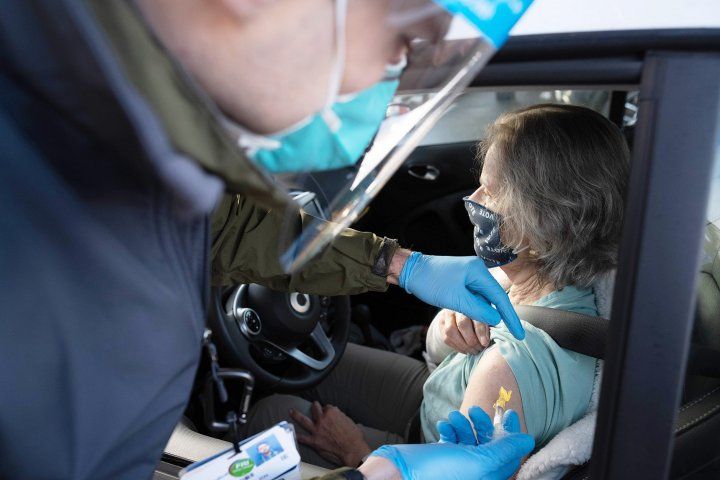
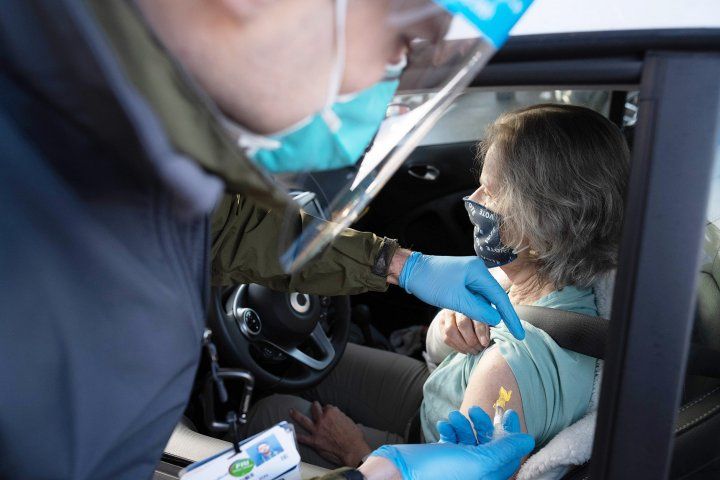
By administering vaccines at the school site, Richmond Public Schools ensures that students do not have to miss class or endure nerve-racking scheduling challenges associated with traditional doctor visits. Candiece Bourne, the division’s nurse manager for school health services, emphasizes that administering vaccines in schools helps to maintain consistent immunizations essential for providing herd immunity – a community shield that minimizes the chances of outbreaks of preventable diseases.
A Closer Look at the Policy and Partnership Model
The collaboration between Richmond Public Schools, the State Department of Health, and the local Richmond Henrico Health District is a sterling example of how local educational institutions can work together with public health agencies to serve public needs. This partnership illustrates the importance of synchronized planning when tackling public health programs in schools. It smoothly weaves together the educational environment and community health, bridging the once-tangled issues of accessibility and convenience.
At the core of this initiative are two primary vaccines: the TDAP – which protects against tetanus, diphtheria, and pertussis – and the Meningococcal vaccine that guards students from various forms of meningitis. These vaccinations are provided free of charge as an extra level of support on top of regular doctor visits, eliminating out-of-pocket expenses for families. This model not only contributes to a healthier student body but also demonstrates how public policy can steer through the tricky parts and subtle details associated with statewide health campaigns in a school setting.
Understanding the Impact of School-Based Vaccination Clinics
The free vaccine clinics in Richmond middle and high schools offer a convenient alternative to traditional healthcare appointments. In many communities, pulling children out of class for medical appointments can lead to missed instructional time and increase stress for both students and parents. By hosting these clinics within school grounds, the program minimizes disruptions to the educational process while ensuring that students receive these critical super important vaccinations.
Beyond the immediate health benefits, there is a broader, more long-term impact of having an integrated public health approach in schools. Research suggests that when students are healthier, academic performance and overall school engagement tend to improve. In turn, this contributes to building a more productive and resilient future workforce. Moreover, the ease of access helps families who might otherwise struggle with managing their way through the often intimidating world of healthcare logistics.
Advantages of On-Site Vaccination Clinics
There are several key advantages that come with having vaccine clinics directly in schools. The benefits can be organized as follows:
- Convenience for Families: Parents no longer need to arrange separate doctor visits or face scary scheduling conflicts. With the school acting as the vaccination site, the whole process becomes significantly simpler.
- Cost-Effectiveness: These clinics eliminate the burden of out-of-pocket expenses for vaccines. This is a super important measure for low-income families and reduces the risk of children missing essential vaccinations.
- Improved Health Outcomes: Consistent and widespread vaccination helps build and maintain herd immunity, leading to a reduction in the spread of contagious diseases across the community.
- Minimal Disruption to Learning: By avoiding additional trips to local clinics, students spend less time away from the classroom, ensuring that academic progress is not hampered.
- Streamlined Consent Process: With parental consent forms handled directly through the school, there is a less intimidating process for parents, promoting higher participation rates in these essential health measures.
Examining Parental Involvement and Consent Protocols
An important facet of the school-based vaccination program is the parental consent process, which is designed to be straightforward and accessible. Parents are asked to sign consent forms that allow school nurses to administer the vaccines while their children remain in class. This approach tackles some of the tricky parts and subtle details involved in balancing parental responsibilities with public health imperatives.
Critics might argue that relying entirely on school-based consent may have hidden complexities in communicating the benefits and potential side effects. However, school administrators and health professionals have taken numerous proactive measures to ensure transparency. Informative sessions, detailed pamphlets, and community meetings are some methods by which schools endeavor to engage parents and clear up any misunderstandings or confusing bits associated with the vaccination process.
Among these measures, some of the key strategies include:
- Hosting informational webinars and Q&A sessions where parents can ask questions in real time.
- Providing printed and online materials that explain the necessity of vaccines, backed by scientific research and health department guidelines.
- Offering follow-up consultations with school health professionals for parents who need additional reassurances.
Balancing Convenience and Safety
While the convenience of on-site vaccination cannot be overstated, it is equally important to recognize that ensuring student health and safety remains the key priority. Some parents may feel overwhelmed by the idea of having their children vaccinated away from a traditional medical setting. In response, school nurses and coordinators make every effort to create a controlled and safe environment within the school premises.
Measures include:
- Strict adherence to health and safety protocols during the clinics.
- Documenting each step of the vaccination process to ensure transparency and accountability.
- Providing immediate access to medical support in case any unforeseen issues arise during the vaccination process.
This balanced approach helps in managing the intricate mix of parental expectations and community health needs. The system is designed to address any potential hesitance by building a bridge between trust in local health services and the necessity of maintaining a healthy student population.
Educational Policy Implications for Future Public Health Interventions
The free vaccine program presently championed by Richmond Public Schools carries significant policy implications for education systems across the nation. The initiative serves as a prime example of how educational institutions can partner with local and state health bodies to improve community health outcomes. By effectively combing through the fine points of public health requirements and educational mandates, this program sets a model for future initiatives aiming to deploy similar strategies.
In many states, educational policymakers are continuously exploring ways to integrate additional services into the school environment. While academic performance remains a top priority, schools have increasingly recognized that a student’s health is intricately linked to their ability to learn effectively. As such, school-based health initiatives are becoming a noteworthy aspect of the comprehensive educational strategy.
This model raises several key questions and considerations for policymakers:
- Should more schools adopt on-site health services? The benefits of having health services readily accessible on campus are apparent. Not only does this improve immediate health outcomes, but it also contributes to long-term academic success by reducing absenteeism.
- What provision should be made for safeguarding privacy and building trust? As schools take on roles traditionally held by local health clinics, maintaining parent and student confidence is critical. Transparent communication and strict adherence to confidentiality protocols are essential.
- How can policymakers support schools in overcoming the tangled issues of funding and resource allocation? With any new initiative, there are often hidden complexities related to budgeting and manpower. Government grants, public-private partnerships, and community fundraising can play a part in ensuring that these programs are sustainable over the long haul.
Integrating Health and Education: A Synergistic Approach
One of the most positive aspects of this program is the clear synergy between public health and education. Historically, these sectors operated largely in separate silos. However, initiatives like this one illustrate that when education policy and health policy are interwoven, the benefits are manifold. Students gain access to essential vaccinations, families face less administrative burden, and the community overall enjoys a higher standard of health.
The program signifies a shift in the way communities think about education. Schools are not merely campuses for academic learning; they have evolved into hubs of comprehensive community support. Such a shift poses an opportunity for educational leaders to figure a path through the confusing bits of bureaucracy and resource allocation, transforming school facilities into multifunctional centers that nurture both minds and bodies.
Community Trust and the Role of Transparency in Public Health Programs
One of the subtle details that can make or break the success of a school-based vaccination program is community trust. For any public health initiative, especially one that involves minors, transparency is super important. Parents and community members need to feel assured that the decision-making processes are above board and that all safety protocols are being strictly followed.
The Richmond Public Schools program takes several measures to build this trust. Detailed communication materials are distributed, and public forums are held where concerns can be openly discussed. These approaches help manage the nerve-racking moments of doubt that sometimes arise when new health policies are introduced. They also serve to demystify the process, making the transition from traditional doctor visits to on-site vaccinations feel more acceptable and less overbearing.
Furthermore, by actively engaging community stakeholders, the program confronts the tangled issues of misinformation that can sometimes hinder vaccination efforts. This strategy has proven effective not only in this instance but can be applied broadly to similar public health and education initiatives across the nation.
Table: Key Elements of Building Community Trust in School Health Programs
| Key Element | Description |
|---|---|
| Transparent Communication | Providing clear, accessible information about vaccination schedules, safety protocols, and health benefits. |
| Community Engagement | Hosting forums, webinars, and parent-teacher meetings to address concerns and build trust. |
| Confidentiality Protocols | Ensuring that students’ personal health information is securely handled and privacy is maintained. |
| Accessible Support | Offering follow-up consultations and medical support during and after the vaccination process. |
The Role of Mandatory Vaccination Policies in Schools
Virginia requires that all students be vaccinated to remain enrolled in school, barring any approved exemptions. This policy is backed by decades of research showing that widespread immunization helps to protect not only those who receive the vaccine but also those who cannot be vaccinated for medical reasons. Mandatory vaccination policies, though sometimes viewed as intimidating or off-putting by certain segments of the community, are designed to guard the larger public interest.
Critics of mandatory vaccination may argue that such policies impose on personal freedoms. However, the core of these policies is rooted in the understanding that a healthy community benefits all its members. The school-based vaccination program underscores this by making the process as smooth and unobtrusive as possible, thereby reducing the nerve-racking elements often associated with medical appointments. It also provides a model of how public institutions can manage to address subtle details – such as the safe administration of vaccines and careful documentation – that demonstrate a commitment to both individual and public safety.
Moreover, these policies are crucial in preventing the reemergence of diseases that had once been nearly eliminated. The program demonstrates that when schools effectively collaborate with health services, the benefits far outweigh any inconveniences. It is a reminder that sometimes making your way through intricate health requirements requires a collective effort that prioritizes the community’s long-term well-being.
Bullet Points on the Benefits of Mandatory Vaccination in Schools
- Herd Immunity: Widespread vaccination helps protect vulnerable populations who cannot receive vaccines.
- Health Equity: Free vaccination programs ensure that all students, regardless of socioeconomic status, have access to essential health services.
- High Participation Rates: Offering the vaccine on school grounds increases uptake and contributes to community health.
- Improved Academic Performance: Healthy students tend to miss fewer school days, indirectly enhancing learning outcomes.
- Cost Savings: Reducing the need for individual doctor visits can lower overall healthcare spending for families.
Addressing the Tricky Parts of Changing Public Health Norms in Schools
Introducing any new public health initiative within a school environment involves working through some tangled issues. One of the most complicated pieces in this equation is overcoming the skepticism that can arise from rapid changes in health policies. When students and parents face unexpected changes in how vaccination services are delivered, it can feel overwhelming, especially if the process is riddled with tension or uncertainty.
Yet, Richmond Public Schools has managed to find your way past these obstacles by implementing several strategies that reduce confusion and encourage positive participation. These strategies include:
- Clear Communication: Detailed explanations of why the vaccines are important and how they contribute to building community immunity are shared with families well in advance.
- Simplified Processes: The consent forms and scheduling of vaccination days have been streamlined to make it as easy as possible for students and parents alike.
- Assurance of Safety: By aligning with trusted health departments, the program ensures that all safety protocols are maintained during the vaccination process.
These measures collectively work to tame the nerve-wracking aspects of the transition from traditional vaccination methods to a school-based model. Additionally, they help counter any doubts with factual information and clearly demonstrated benefits, thereby reinforcing the notion that education and health policies can be harmoniously combined for the greater good.
Lessons Learned and Future Directions
As we take a closer look at Richmond Public Schools’ free vaccine program, it becomes evident that there are many key lessons for the future of public health initiatives in educational settings. The program offers a unique perspective on how schools can serve as more than just centers for academic instruction – they can become arenas where community health is both protected and promoted.
Some of the lessons learned include:
- Collaborative Success: The success of the program underscores the importance of collaboration among educational institutions, state health departments, and local health districts. When these entities work together, they can figure a path through the confusing bits of bureaucracy and streamline complex processes.
- Convenience Equals Participation: The ease of access provided by on-site vaccination directly correlates with higher uptake rates. This model could be replicated in other regions, with adjustments based on local needs and resources.
- Trust as a Foundation: Transparent communication strategies and active parental involvement play an essential role in the program’s success. Establishing and maintaining trust is a persistent yet super important element for any public health intervention.
- Policy Integration: Integrating health services into the educational framework not only improves health outcomes but also supports academic success. Schools are uniquely positioned to address both these areas simultaneously.
- Cost-Effectiveness and Equity: Free vaccination programs help eliminate financial barriers to healthcare, contributing to a more equitable society where every student has the same opportunity for a healthy start.
Looking to the future, it is clear that school-based health initiatives are poised to become a model for integrated community services. There is potential for these programs to expand beyond vaccinations, incorporating other preventive health measures such as dental exams, mental health screenings, and nutritional guidance. If educators and policymakers continue to work closely with local health authorities, the opportunities to improve student well-being and academic performance are boundless.
Future Policy Directions for School-Based Health Programs
Existing programs like the one in Richmond serve as a pilot for broader nationwide initiatives that blur the traditionally separate lines between education and healthcare. Future policy directions might include:
- Expansion of On-Site Health Services: Future initiatives could integrate additional health services into the school environment, ranging from routine health screenings to mental health counseling.
- Enhanced Data Tracking: Implementing better data systems to monitor vaccination rates and health outcomes in schools could help optimize how these programs are run.
- Improved Funding Mechanisms: To support these integrated initiatives, innovative funding solutions, such as public-private partnerships and community grants, could be pursued.
- Legislative Support: Clear policies at both the state and federal levels are needed to support the expansion of school-based health services and address the fine shades of regulatory challenges that may surface.
By taking a closer look at the successes and challenging parts of the current program, policymakers can gain valuable insights into how to replicate and tailor these initiatives for other regions. As more schools implement similar programs, there is an opportunity to build a robust safety net that supports student health, fosters academic achievement, and ultimately benefits society as a whole.
Bridging the Gap Between Education and Healthcare: A Community Perspective
Beyond policy and logistics, the free vaccination program operates as a bridge between two vital community pillars – education and healthcare. Traditionally, these sectors have operated in their own silos, each handling its set of responsibilities. What Richmond Public Schools is doing is a prime example of how these formerly separated realms can come together to accomplish a common goal: safeguarding the well-being of our youth.
This bridging of gaps is not free from its tangled issues. There are challenges, such as ensuring that every parent is aware of the program and addressing any lingering concerns about safety or the effectiveness of vaccinations. However, by fostering open lines of communication and maintaining rigorous safety standards, public health officials and educators are working through these delicate moments with great care. They are proving that when you get into the nitty-gritty of local community needs, the benefits of an integrated system truly shine.
In essence, this school-based vaccination strategy is a blueprint for how local governments and schools can collaborate to provide critical services in environments that are both accessible and efficient. The community benefits from enhanced protection against outbreaks, reduced costs for families, and an overall boost in societal resilience – all of which are super important for long-term prosperity.
Community Benefits at a Glance
Some of the community benefits include:
- Better Health Outcomes: With more students vaccinated, the risks of outbreaks are greatly reduced.
- Educational Consistency: Reduced absenteeism helps maintain a steady pace of learning and minimizes disruption to the academic calendar.
- Economic Savings: Free vaccination curbs the need for costly individual doctor visits, easing financial pressure on families.
- Stronger Community Ties: Program success reinforces trust in public institutions and inspires further collaboration between schools and health departments.
Public Reaction and the Role of Media in Shaping Opinions
The media plays a crucial role in shaping public opinion about significant policy initiatives like the school vaccination program. Journalists and opinion leaders have the responsibility to present a balanced view that acknowledges both the benefits and the potential challenges of such initiatives. Through detailed reports, community interviews, and expert analyses, media outlets help the public get around the confusing bits and subtle details inherent in policy changes.
The reporting on the Richmond program, for instance, has highlighted the ease of administration, the strong emphasis on maintaining safety protocols, and the collaborative efforts among various public agencies. Such balanced coverage is invaluable in building community support and ensuring that informed decisions are made at both the parental and governmental levels.
Moreover, the media’s role in providing a platform for community voices deserves recognition. When parents, school officials, and health experts contribute their perspectives, it provides a more comprehensive picture of how well the program is performing and what areas might need improvement. As more attention is given to these initiatives, it becomes increasingly evident that media scrutiny and community feedback are mutually beneficial in refining and extending the benefits of such programs.
How Media Coverage Shapes Public Health Initiatives
Reflecting on the media’s involvement, several important functions emerge:
- Accountability: Thorough reporting holds public institutions responsible for maintaining high standards in safety and transparency.
- Educational Value: By explaining the process in terms everyone can understand, the media helps demystify what might otherwise be an overwhelming health policy.
- Community Engagement: Media outlets facilitate discussions that bring together multiple viewpoints and offer a more rounded perspective on policy effectiveness.
Conclusion: A Model for Integrated Public Health and Education
The free vaccination program offered by Richmond Public Schools exemplifies a promising path for integrating public health measures into educational settings. By making vaccines available to middle and high school students at no cost, the program takes a proactive approach to building a healthier community and preventing outbreaks of serious diseases. The strategic partnership between the school system, state health departments, and local health districts is a tangible demonstration of what can be achieved when different sectors collaborate toward a common objective.
This initiative not only makes practical sense from a public health perspective, but it also offers a counterbalance to the nerve-wracking aspects often associated with coordinated health interventions. By providing accessible, convenient, and free vaccination clinics, Richmond Public Schools is addressing both immediate and long-term community needs. In doing so, it contributes to safer school environments, better academic outcomes, and a more resilient society overall.
The lessons from this initiative are clear: bridging the gap between education and healthcare helps manage the tricky parts of modern policy planning, simplifies consent processes for busy families, and builds a foundation of community trust. As other districts consider adopting similar programs, policymakers would do well to take note of the strengths and the subtle details that make the Richmond model effective.
In our increasingly interconnected society, the importance of collaboration cannot be overstated. Schools are evolving beyond academic centers into multi-service community hubs. With appropriate partnerships and thoughtful policy integration, school-based health initiatives can serve as an effective blueprint for addressing broader social challenges while ensuring that no student is left behind.
Ultimately, the success of Richmond Public Schools’ free vaccination initiative offers a beacon of hope. It shows how we can figure a path through the tangled issues of health policy and education, ensuring that children enjoy not only quality education but also a robust foundation for lifelong health. As this program moves forward into its next phase, it may well serve as a model for communities across the nation – demonstrating that by working together, we can overcome even the most intimidating challenges and build a healthier, more equitable future for everyone.
Originally Post From https://www.richmonder.org/rps-continues-free-vaccine-program-for-middle-and-high-schoolers/
Read more about this topic at
Vaccines For Children Program
CDPH Immunization Clinics