
Rebuilding Hope: Lessons from the Byng Public School Cafeteria Loss
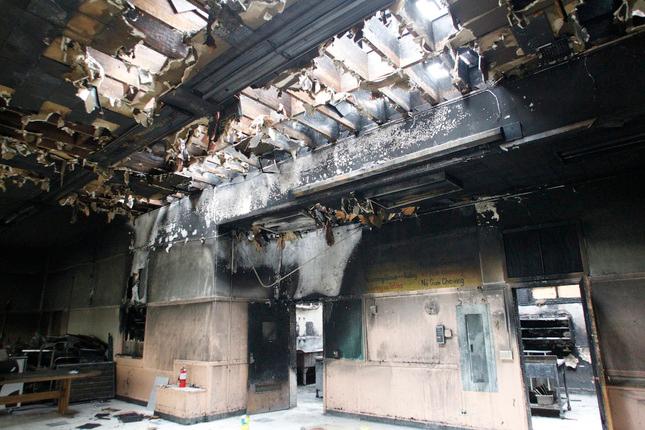
The recent news that the Byng Public School cafeteria has been declared a “total loss” after a fire has sparked a conversation about the unpredictable twists and turns facing our educational communities. Superintendent Kevin Wilson’s announcement, that the damaged facility will likely be demolished and rebuilt using insurance proceeds and district funds, has drawn both concern and reflection. This opinion editorial examines the implications of such sudden school property loss on local and state policy, the management of insurance matters, and the practical steps needed to restore a functional school environment.
While the incident may seem isolated, it raises broader issues regarding how schools manage emergencies, fund repairs, and guarantee consistent student services during reconstruction. In this article, we will take a closer look at the situation, the measures already set in motion, and the challenges that educators, policymakers, and community members face when trying to figure a path forward during turbulent times.
Understanding the Insurance Coverage and Funding Strategies
An immediate reaction to the fire was concern from parents and taxpayers alike about the potential financial burden on the district. Superintendent Wilson’s assurance that the insurance proceeds will cover a majority of the rebuilding costs provides a sense of relief, but it also invites a debate on how best to manage such resources. The use of insurance to finance a new cafeteria underscores the importance of comprehensive risk management and timely response planning in public education.
Insurance Proceeds as a Safety Net
Insurance coverage plays a critical role in handling unexpected events that disrupt the educational process. In the wake of the fire at Byng Public School, the reliance on these funds represents a common procedure in school districts facing property loss. This incident illuminates a few key aspects:
- Quick deployment of insurance funds to avoid extended school closures.
- Mitigation of extra costs for local taxpayers by covering major rebuilding expenses with insurance compensation.
- An opportunity for school districts to consider strategic investments that may benefit future operations during temporary disruptions.
Understanding how insurance functions as a financial safety net during crises enables policymakers and district administrators to prepare better for such events. The fire in Byng is a reminder of the tricky parts involved in ensuring that even when disasters strike, the impact on students is minimized.
Temporary School Facilities: Constructing a Quick Response
While the damaged cafeteria is set to be replaced, Byng Public School is also initiating plans for a temporary kitchen facility. Although setting up such interim solutions might seem intimidating, it is a super important step to ensure that students continue to receive meals and that school routines remain uninterrupted.
Steps to Setting Up a Temporary Kitchen
Developing a temporary kitchen is not without its challenges, but a few actionable measures can simplify the process:
| Action Step | Description |
|---|---|
| Procurement of Essential Commodities | The district has secured the necessary supplies and equipment in order to prepare a functional temporary setup. |
| Regulatory and Safety Inspections | Even temporary kitchens must meet health and safety guidelines—inspections ensure standards are met. |
| Operational Adjustments | Staff are being trained and organized to operate the interim facility until the new cafeteria is built. |
By addressing these tangible parts promptly, the district signals its commitment to uninterrupted student services, even in the face of complicated pieces of rebuilding logistics.
Broader Implications for Local Education Policy
The Byng Public School incident is more than just a story of property loss—it is a case study in local education policy, emergency management, and the allocation of district resources during a crisis. While the immediate focus is on the physical restoration of the cafeteria, the situation opens a window into several policy discussions:
Ensuring Financial Accountability and Transparency
The decision to use insurance proceeds along with district funds to rebuild the cafeteria calls for a careful review of financial accountability. Taxpayers expect that any additional funding sourced from local budgets should be managed responsibly. The situation raises issues such as:
- Clear audits and reporting on how funds are expended during a reconstruction project.
- Engagement with local communities to provide assurance that resources are used efficiently.
- Long-term financial planning that factors in future contingencies and unforeseen events in education infrastructure.
Local education leaders must manage their way through these financial twists and turns, ensuring that every dollar spent contributes not only to replacing lost property but also enhances the resilience of their institutions for the future.
Challenges in Rebuilding School Facilities Amid Operational Disruptions
The sudden fire at Byng Public School has thrown the district into a situation laden with problems and tension. Beyond the direct physical damage, the disruption has revealed several nerve-racking issues that require immediate action. The educational community is confronted with the task of maintaining academic and extracurricular activities while simultaneously addressing the immediate need to rebuild and restore a vital facility.
Balancing Immediate Needs with Long-Term Planning
School administrators face the dual challenge of managing the day-to-day operational disruptions while planning for long-term infrastructure improvements. The balance involves:
- Setting up efficient temporary facilities to keep classes and meal services on track.
- Engaging with local contractors, insurance companies, and government agencies for rebuilding efforts.
- Communicating with staff, students, and parents to ensure everyone is on board with revised timetables and procedures.
Each of these actions involves fine details and the subtle parts that make the whole process both challenging and essential to the school’s recovery. Overcoming these challenges requires dedication, effective planning, and a commitment to transparent communication.
Community Confidence and Educational Stability in Times of Crisis
Another vital aspect to consider is the role of community confidence in maintaining educational stability. When disaster strikes—be it a fire, natural calamity, or another incident—the community’s trust in school leadership and local governance is tested. The Byng Public School example provides important lessons on how effective communication can help soothe fears and stabilize the community.
Key Actions to Maintain Public Trust
There are several simple yet organized measures that districts can take to build community confidence during a crisis:
- Regular updates via public statements and community meetings.
- Clear delineation of financial responsibility so that taxpayers understand the funding mechanisms at play.
- Active engagement with local media to provide both background and progress on rebuilding initiatives.
These steps are the little twists and subtle details that help reassure the public that even in the face of complicated pieces, the school district is working diligently for the benefit of every student.
Impact on Students and Staff: Educational Continuity Amid Disruption
While policy discussions and funding debates are essential, the primary focus should always be the welfare of students and the readiness of staff to handle operational disruptions. The sudden loss of a cafeteria may seem like a minor setback compared to other educational issues, but its impact can be significant, especially in communities where school facilities are central to daily operations.
Emotional and Practical Support for Those Affected
The following bullet list highlights some important initiatives that districts can implement to support students and staff during such transitions:
- Establish temporary meeting points and dining areas that restore a sense of normalcy.
- Provide counselling services to staff and students who may experience stress due to the upheaval.
- Include parents and community members in planning sessions to gather broader input.
- Ensure that temporary structures meet health and safety standards to maintain confidence in the school environment.
These support measures address both the practical and emotional dimensions of school life during a rebuilding phase, ensuring that the community can find its way through the trying moments with as little disruption as possible.
Lessons Learned: Preparing for Future Emergencies in Schools
The experience of Byng Public School is not solely about dealing with the aftermath of a fire—it is also a proactive reminder that every educational institution must be ready for the unexpected. Superintendents, board members, and state officials can take away several key lessons:
Establishing Robust Emergency Response Protocols
A reliable emergency response plan can make a significant difference in both short-term recovery and long-term improvements. Consider the following suggestions:
- Regularly update emergency response procedures to address new risks and regulatory requirements.
- Conduct drills and training sessions with staff and students to ensure everyone knows what to do during an emergency.
- Create a dedicated fund or reserve that can be immediately mobilized to address damages before insurance processes conclude.
These proactive strategies ensure that the school community is better prepared the next time a nasty surprise occurs, whether it’s a fire or another crisis that could affect school operations.
Policy Recommendations for State and Local Officials
The challenges observed at Byng underscore the need for state and local officials to revisit and refresh their policies regarding school infrastructure and emergency funding. A few recommendations include:
Developing Comprehensive Funding Guidelines for Disaster Recovery
It is super important for education policymakers to craft guidelines that streamline the flow of funds in the wake of unexpected disasters. A few aspects to consider are:
- Clear differentiation between what insurance should cover and the extent to which district funds will supplement that coverage.
- Implementing financial audits after emergency expenditure to ensure transparency and proper accountability.
- Creating a standardized framework that states can adapt depending on the scale of the incident.
By diving in to explore these fine points, policymakers can ease the nerve-racking process of rebuilding and provide a stable financial framework for schools in crisis.
Ensuring Preparedness in Higher Education and Beyond
Although the issue at hand directly affects an elementary or community school setting, the broader lessons are absolutely applicable to higher education institutions as well. Campuses across the country, with their hallways, lecture halls, and dining facilities, must plan for unexpected interruptions for both operational continuity and the safety of their communities.
Cross-Sector Collaboration for Disaster Recovery
Universities and colleges often have more complex infrastructures, but the basic principles remain the same. By fostering partnerships between state agencies, local government, and educational institutions, a more robust response mechanism can be built. Recommendations include:
- Joint planning exercises that include emergency management professionals, university officials, and community leaders.
- Sharing resources and best practices across institutions to improve recovery processes.
- Investing in research and development for new technologies designed to minimize the disruptive effects of unforeseen incidents.
Many higher education institutions have managed similar challenges in the past; learning from these experiences can help elementary and secondary schools plan ahead for any future emergencies.
Analyzing the Role of Public-Private Partnerships in Rebuilding Efforts
The scaled response to crises like the one at Byng Public School invites a closer look at the role of public-private partnerships (PPPs). These alliances can help bridge the gap between available funds and the complex pieces of modern rebuilding efforts. Public and private entities working together can:
- Offer technical expertise in emergency construction and restoration.
- Provide additional financial support to supplement insurance payouts and district funds.
- Drive innovation in terms of building techniques and safety protocols to create more resilient structures.
This model of collaboration not only ensures a faster recovery but also paves the way for enhanced infrastructure that can withstand future challenges. It is a fine example of how communities can work together to support their educational institutions when both small details and significant disruptions occur.
Reassessing the Impact on Educational Outcomes
While the financial and operational challenges of recovering from a disaster are significant, the ultimate measure of any recovery effort is its impact on educational outcomes. Students, educators, and administrators must all work together to ensure that temporary disruptions do not have a lasting effect on learning.
Strategies to Mitigate Academic Disruption
Several simple yet effective strategies can help schools maintain academic continuity during periods of transition:
- Implementing flexible schedules that allow classes to be temporarily relocated or reorganized.
- Using technology to facilitate remote learning when physical spaces are compromised.
- Organizing after-school tutoring and guest lectures to cover any curriculum gaps that may result from unexpected downtime.
Such approaches ensure that the educational process remains super important even when infrastructure challenges temporarily disrupt the usual flow of teaching and learning.
Examining the Role of Stakeholder Communication
Transparent and consistent communication is the key to managing the nerve-racking periods that arise during emergencies. School districts must maintain an open dialogue with every stakeholder involved—from teachers and staff to parents and local government officials.
Effective Communication Practices During a Crisis
Some effective communication practices include:
- Regularly scheduled updates via email, social media, and local news outlets.
- Setting up help desks and dedicated phone lines to address concerns from parents and community members.
- Holding town hall meetings where questions can be answered directly by district officials.
These measures are meant to offer clarity during confusing bits of policy and operational changes, ensuring that the public remains informed as the district takes the wheel toward recovery.
Future-Proofing School Infrastructure
The unfortunate situation at Byng Public School serves as a stark reminder that school facilities are not immune to accidents and disasters. It prompts state and local officials to consider how best to future-proof their education infrastructure against unexpected events. Making smart, proactive investments now can limit both the immediate disruptive effects and the long-term challenges of rebuilding.
Recommendations for Future Infrastructure Improvements
Several key improvements can be considered to shield schools from the nerve-racking aftermath of disasters:
- Conduct regular safety audits of all school facilities to identify potential risks.
- Invest in modern fire suppression systems and improved alarm technologies.
- Create contingency plans that include both temporary fixes and long-term rebuilding measures.
- Engage local experts in facilities management to ensure that preventative measures are both practical and effective.
By taking these steps, educational institutions can significantly reduce the likelihood and impact of disruptive surprises, ensuring a smoother path during recovery periods.
Community and Government Collaboration: A Blueprint for Success
The rebuilding efforts at Byng highlight the intertwined roles of community involvement and government support. In many ways, the recovery of the school cafeteria serves as a microcosm for how effective collaboration can significantly ease the recovery process in times of crisis.
Key Benefits of a United Response
Viewing the challenges through the lens of a collaborative approach yields several benefits:
- Enhanced trust and cooperation between the school district and taxpayers.
- Reduced budgetary strain as public and private funds blend for a common goal.
- A shared sense of purpose that strengthens community ties and fosters resilience.
When government agencies, educational leaders, and local communities work together, they create a supportive environment that is better equipped to handle both immediate disruptions and longer-term challenges.
The Educational Ripple Effect of Crisis Management
One should not underestimate the rippling effects of a properly managed crisis situation. The Byng fire, though a localized event, offers valuable lessons for the broader educational landscape. Managing these trying times with clear strategies and thoughtful policies has the potential to inspire other districts to be proactive rather than reactive.
Longer-Term Educational Benefits
Some of the positive outcomes that can follow a well-managed crisis include:
- Stronger community bonds due to shared challenges and collaborative recovery efforts.
- Increased preparedness for future emergencies, leading to fewer disruptions in academic programming.
- A renewed focus on creating safer, more resilient educational environments through infrastructure upgrades and policy reforms.
These results demonstrate that even in the face of overwhelming challenges, there are opportunities to emerge stronger and better equipped for future complexities.
Charting the Path Forward: A Call for Proactive Measures
In reflecting on the events at Byng Public School, it is clear that every institution should take the opportunity to learn from this incident. School boards, local government agencies, and educational leaders must work diligently to implement proactive measures that ensure their communities are well-prepared for any unforeseen emergency.
Steps for a Proactive Approach to School Safety
The following bullet list outlines several key actions that can set a foundation for better responses in the future:
- Regular updates and drills that cover emergency response and safety procedures.
- Establishing a dedicated emergency fund specifically for the maintenance and rapid repair of school facilities.
- Engaging experts to review and update existing safety protocols based on recent incidents and modern best practices.
- Encouraging collaboration and dialogue among all stakeholders concerned with education and public safety.
These concrete steps serve as a practical guide for districts looking to sort out potential pitfalls before they escalate into nerve-racking situations.
Conclusion: Rising Above the Challenges
The situation at Byng Public School is undeniably challenging, loaded with issues ranging from physical rebuilding to financial management and clear stakeholder communication. Yet, each of these challenges also carries within it the seeds for a stronger and more resilient future. Through careful planning, proactive policy reforms, and an unwavering commitment to student well-being, our educational communities can work through the tangled issues with clarity, determination, and a renewed sense of purpose.
In this era of unpredictable events, the Byng incident reminds us that we must be ever-vigilant and adaptable. While the immediate aftermath involves sorting out complicated pieces and creating temporary solutions, the long-term outlook depends on effective management of public funds, robust disaster preparedness, and above all, the unity of our educational communities. As we move forward, it is critical to continue engaging in open dialogue, refining emergency response protocols, and prioritizing clear, timely communication with everyone affected by such events.
From a policy perspective, there is a wealth of experience embedded in this incident that can serve as a blueprint for other districts facing similar predicaments. By integrating strong financial practices with community collaboration and innovative temporary facilities, schools can not only restore physical infrastructures but also reinforce the educational framework that nurtures our future generations.
At its core, this episode is a story of resilience—a narrative that challenges us to find our way through the confusing bits of unexpected emergencies, manage our course when traditional systems falter, and rebuild with a commitment to transparency and accountability. It’s a reminder that while emergencies are off-putting and sometimes overwhelming, our collective response can ultimately lead to a stronger, safer educational environment for everyone.
This is not just a local story; it is a call to action for educational policymakers at both the state and federal levels. The ways in which districts recover from unforeseen setbacks have a profound impact on how education is delivered, and they underscore the need for systemic reforms. As we reflect on the lessons from Byng Public School, we must continue to search for innovative ways to secure our schools, safeguard our students, and support our educators in even the most challenging circumstances.
In the end, every setback is an opportunity to build back better—a chance to craft a more secure, resilient, and inclusive future for our schools. Through thoughtful policy, robust emergency preparedness, and the unwavering spirit of our communities, we can ensure that the unfortunate incident at Byng Public School becomes a turning point for constructive change, inspiring educators and policymakers across the nation to take a closer look at the measures needed to protect our educational spaces.
As communities continue to lend support and policymakers consider these lessons, it is essential to remember that the success of our schools hinges on the ability to adapt and recover together. The temporary setbacks may be nerve-racking, but the journey toward rebuilding adds a vital chapter to the ongoing story of educational resilience and innovation. Let this incident empower us all to work together and steer through future challenges, ensuring that our educational institutions always remain a safe haven for learning and growth.
Ultimately, the recent developments at Byng Public School highlight the need for ongoing dialogue, proactive measures, and a commitment to keeping our educational communities robust and safe from unexpected disruptions. As the rebuilding process unfolds and new strategies are implemented, let it serve as a reminder of our shared responsibility to support schools in their darkest moments and celebrate the strength that comes from overcoming adversity.
Originally Post From https://www.kxii.com/2025/10/24/byng-public-school-cafeteria-deemed-total-loss-after-fire/
Read more about this topic at
School activities resume in Byng after cafeteria fire
Late night fire damages Byng School