
Reflections on Collegiate Athletics: The Intersection of Sports, Education, and Policy
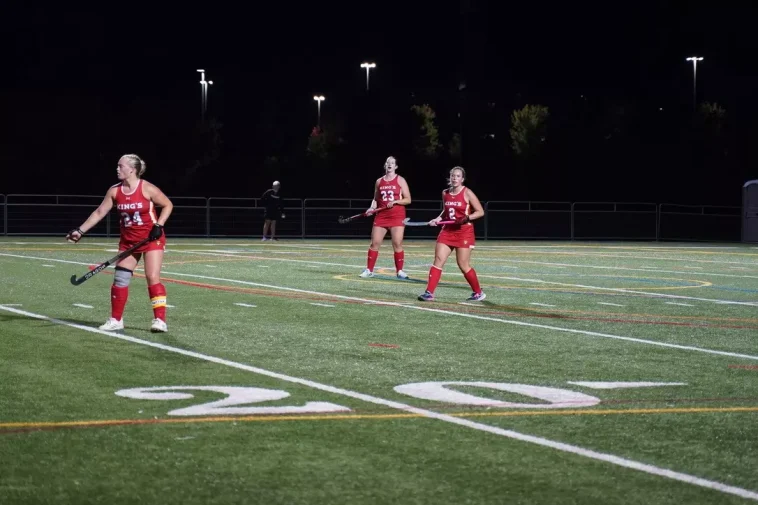
The recent season-ending field hockey game between King’s College and Lebanon Valley offers more than just a scoreline to be dissected. It compels us to examine the tangled issues that arise in collegiate athletics, the impact on student-athletes, and the broader implications for educational policy at both the state and federal levels. While King’s College ended its season with a 9–0 loss, this outcome provides a fertile backdrop for an opinion editorial that digs into the complicated pieces of college sports culture and its intricate connections with academics and policy-making.
Critics often focus solely on the final score and the immediate disappointments of a match, but a closer look reveals a tapestry of layered narratives: the experiences of the players, the coaching staff’s strategic adjustments, and the essential role of sports in creating a holistic educational experience. For educators, administrators, and policymakers, this game is a case study in balancing athletic performance with academic and personal growth.
Understanding the Mixed Emotions Following a Season-Defining Loss
When a season ends on a note of defeat, the aftermath is filled with a mix of emotions. For the Monarchs, the 9–0 loss on the road to Lebanon Valley was not only a setback in their athletic record (ending their season at 1–17 overall and 0–7 in conference play) but also a moment that mirrored many of the nerve-racking moments college sports teams face.
The game started with Lebanon Valley surging to establish an early lead, a development that can feel both overwhelming and intimidating to a team that has invested significant time and energy. The early margin achieved in the first quarter — with key goals by Lauren Foster, Claire Weidenhammer, Lilah Shaub, and Gracie Johnson — set the tone for an experience that, while difficult, can trigger thoughtful discussions about overall program development and readiness in the face of competitive pressure.
Emotional Resilience and the Role of Academic Institutions
In the wake of such defeats, academic institutions have a responsibility that extends beyond the scoreboard. Schools like King’s College are tasked with creating an environment that supports student-athletes both on the field and in the classroom. When a game is lost, there exists an opportunity to turn a disappointing experience into a learning moment—a chance to study the fine points of resilience, teamwork, and personal development.
Student-athletes face many trying parts in their journey. These include the tricky parts of balancing intense training schedules with academics and personal life, as well as handling the overwhelming weight of public scrutiny. It is the role of colleges, therefore, to offer robust support systems that help them find balance and steer through the turbulent periods following a challenging game.
Educational Value of Sports: Beyond the Scoreboard
The intersection of sports and education is a topic that remains widely discussed, yet its subtle details are often overlooked. Collegiate athletics serve not only as a platform for student engagement and community building but also as an avenue for testing life’s little twists—both on and off the field. The experiences gained in these high-pressure environments contribute substantially to the overall educational experience.
Transforming Challenges into Learning Opportunities
When analyzing the outcome of the King’s College match against Lebanon Valley, it is important to realize that athletic success is measured in more ways than just win-loss records. Many educators and sports administrators now advocate for a balanced approach that allows losses to be used as case studies for character building and strategic improvement.
While some might focus on the intimidating minutes when the scoreline started to widen, a closer investigation reveals fine shades of teamwork, strategy, and perseverance. The game, which highlighted a series of well-executed plays by Lebanon Valley, also underscores the critical importance of preparation, adaptability, and continuous improvement on the part of the Monarchs. It is in these moments that both coaches and players can dive in to study the fine points of what works and what does not in a competitive setting.
Managing Your Way Through the Complicated Pieces of College Athletics
College sports are rife with challenges that extend into academic and policy arenas. University sports programs must manage issues that are both internal—such as team dynamics and coaching strategies—and external, including state and federal regulations that govern college athletics. These layers of complicated pieces require school administrators to find their way through a maze of requirements and expectations.
Institutional Support and Policy Oversight
One key aspect in managing collegiate athletics is balancing the priorities of competitive success with fostering educational growth in athletes. University leadership must not only support training and strategic planning for sports but also be keenly aware of policy changes and legal frameworks. As schools work to get around the tangles presented by state and federal education policies, they must also ensure that they provide adequate resources for academic tutoring, health care, and career development for student-athletes.
This dual focus reflects a broader trend in educational policy: sports are no longer considered an extracurricular diversion but are integrated into the core educational mission. By embracing this approach, institutions create environments where students are encouraged to partake in both academic and athletic pursuits, thereby preparing them for the slight differences that life’s many twists and turns present.
Table: Key Challenges in Managing Collegiate Sports Programs
| Challenge | Description | Possible Solutions |
|---|---|---|
| Balancing Academics and Athletics | Ensuring that students maintain strong academic performance despite rigorous sports commitments. | Structured tutoring programs and adjusted academic schedules. |
| Compliance with Policies | Navigating state and federal guidelines that govern college sports. | Regular training for staff, collaborative policy framework, and legal consultation. |
| Student-Athlete Well-being | Managing physical and mental health challenges amid pressure to perform. | Counseling services, better health programs, and balanced training regimes. |
| Financial Constraints | Securing funding for sports programs in a climate of tightening budgets. | Diverse revenue streams, enhanced fundraising, and community partnerships. |
Diving Into the Fine Points of On-Field Strategy and Performance
The detailed scoring summary from the match paints a picture of a game dominated by Lebanon Valley. With multiple goals coming in quick succession—and a hattrick by the opponent’s standout player, Claire Weidenhammer—the game shows where strategic weaknesses might be examined. By looking at the little details of each scoring play, coaches and analysts can identify which parts of the team’s game need refinement.
Breaking Down the Key Moments
Every coach understands that in sports, there are moments when decisions and plays dictate the entire course of a match. In this particular game, the early onslaught by the Dutchmen built an advantage that proved insurmountable for the Monarchs. Here are some aspects that serve as learning points:
- Early Momentum: Lebanon Valley exploded with energy in the opening quarter, scoring five goals quickly. This set a rhythm that the Monarchs were unable to counter.
- Defensive Gaps: The inability to defend against fast breaks and rapid-fire passing suggests that King’s College needs to figure a path to improve its on-field strategies.
- Goalkeeper Challenges: While Emily Bollinger posted 16 saves and faced 25 shots, her team struggled to convert saving opportunities into neutralizing offensive pressure.
- Team Coordination: The game highlighted the importance of every player understanding their role, as clear communication on the field can sometimes make the difference between success and defeat.
These bullet points not only serve to summarize game events but also emphasize key aspects that educators and policy experts might consider when advising on student-athlete development. Understanding when to praise effort and when to call for tactics adjustments is part of the fine balance between athletic rigor and educational responsibility.
The Role of Sports in Shaping Educational Experiences
College sports like field hockey are more than mere competitions. They are essential experiences that contribute to the overall education of a student-athlete. The action on the field, combined with the lessons off the field, plays a super important role in shaping character, discipline, and teamwork—qualities that are transferrable to academic and professional realms.
Sports as a Microcosm of Broader Educational Challenges
Sports provide a live laboratory where the twists and turns of life are observed in real time. Just as teachers help students tackle the confusing bits of complex subjects, coaches guide their teams through nerve-racking matches. The interplay between offensive bursts and defensive recoveries mirrors the layered structure of academic challenges. Faculty and coaches alike are tasked with finding strategies to help students and athletes manage the overwhelming pressures of both environments.
For instance, a loss on the field might lead to introspection and subsequent improvements, just as a poor academic performance can become a turning point in a student’s learning journey. Both scenarios require a supportive environment, one that emphasizes resilience over despair and learning over defeat.
Side-by-Side Comparison: Academic Learning and Athletic Experience
| Aspect | Academic Environment | Athletic Environment |
|---|---|---|
| Goal Setting | Establishing learning objectives and assignment targets. | Creating performance goals and strategic game plans. |
| Feedback and Adjustments | Receiving feedback from educators and revising study habits. | Analyzing game footage and fine-tuning tactics. |
| Resilience Building | Overcoming academic setbacks and challenging coursework. | Learning from losses and bouncing back with improved training. |
| Team Dynamics | Collaborative group projects and classroom discussions. | Cohesive team strategies and coordinated game plays. |
This table highlights how both domains share similar educational challenges—each requiring clear communication, proper planning, and the nerve to overcome obstacles.
College Athletics within the Framework of Policy and Funding
Delving into the policy side of collegiate athletics reveals a landscape loaded with issues that extend beyond the sport. Often, the way a college team is financed and supported is closely linked to broader state and federal education policies. These policies are designed to guide institutions through the twists and turns of athletic governance while ensuring that the rights and well-being of student-athletes are upheld.
Policy Considerations that Shape the Athletic Experience
State and federal guidelines have changed over the years, turning what was once a niche concern into a super important piece of the educational policymaking process. Key policy considerations include:
- Title IX and Gender Equity: Ensuring equal opportunities in sports has been a centerpiece of federal policy, aiming to address inequities and foster inclusive practices in collegiate athletics.
- Financial Accountability: Governing bodies require schools to maintain transparency in the funding of sports programs. This intertwines with broader fiscal policies at the state and federal levels.
- Student-Athlete Welfare: Recent policies focus on ensuring that student-athletes receive proper healthcare, academic support, and career guidance—a challenging part of managing both sports and education.
- Compliance and Oversight: Institutions are required to steer through an ever-evolving set of rules and requirements that, while well intended, can often be nerve-racking when adjustments are needed.
For colleges, these policy issues represent both hurdles and opportunities. When managed effectively, policies can serve as frameworks that encourage academic and athletic excellence. However, when compliance becomes overly complicated and off-putting, it can stifle innovation and distract from the core mission of education.
The Impact on Community, Campus Life, and Future Directions
The reverberations of athletic outcomes like the King’s College loss extend well beyond the confines of the playing field. They have a tangible impact on campus culture, alumni relations, and the community’s perception of the institution. In many ways, college sports serve as ambassadors for educational institutions—they instill school spirit, attract prospective students, and often create a sense of unity and pride within the community.
Building a Resilient Community Through Sports
The loss experienced by the Monarchs is not a verdict on the overall potential of King’s College athletics but rather a challenge to grow stronger. Many observers note that sports are full of problems and tensions; however, they also provide the blueprint for overcoming obstacles in both sports and academics. The following points illustrate how community involvement and campus support can transform athletic setbacks into opportunities for growth:
- Unified Support for Student-Athletes: When a team falls short, a supportive campus community that rallies around its athletes can make all the difference in boosting morale and advocacy for improved programs.
- Engaging Alumni and Stakeholders: Alumni events, fundraisers, and mentorship programs can help bridge the gap between athletic performance and institutional resources.
- Openness to Change: Acknowledging where things went wrong is the first step in finding your way through challenges and instituting positive change for future seasons.
- Integrating Feedback Mechanisms: Creating channels for feedback—from players, coaches, and fans alike—can lead to constructive adjustments both on the field and in academic arrangements.
Effective engagement with the community not only uplifts the sporting spirit but also reinforces the educational mission of universities by showcasing that setbacks can be transformed into stepping stones toward improvement.
Bridging the Gap Between Athletic Performance and Educational Outcomes
There is an often-overlooked connection between a team’s performance and the outcomes experienced by its student-athletes in the classroom. When programs experience losing streaks, it is vital to address the off-field implications that may affect academic motivation and performance. Today’s educational policies advocate for a balanced approach where athletic pursuits complement academic learning rather than detract from it.
Strategies for Aligning Sports with Academic Priorities
In order to effectively balance athletics and academics, several strategies are being recommended by education experts and sports administrators alike. These strategies help in smoothing out the little twists that arise when student-athletes must juggle competing priorities:
- Integrated Scheduling: By coordinating practice times with class schedules, institutions can help athletes avoid conflicts that impede their academic progress.
- Academic Advising Tailored for Athletes: Providing specialized academic advising, including tutoring and study sessions, ensures that student-athletes have the support needed to excel academically.
- Focused Time Management Workshops: Institutions can organize workshops to aid athletes in handling the overwhelming parts of balancing sports commitments with rigorous academic demands.
- Mentorship Programs: Pairing current student-athletes with alumni who have successfully merged sports with academic pursuits can offer practical insights and inspiration.
These measures represent more than just policy responses—they are super important, actionable steps that institutional leaders can take to ensure that athletics remain a complement to, rather than a distraction from, academic achievement.
Lessons Learned: Reflecting on the Monarchs’ Season and Beyond
The 9–0 loss to Lebanon Valley is a specific instance that encourages a closer look at the broader dynamics of college sports. While the score might anger critics or disappoint supporters, it also offers a moment to reflect on issues that are often hidden behind the final statistics. For the Monarchs, key performance takeaways include:
- The importance of early strategic moves – a strong start in any contest can set a momentum that is hard to reverse.
- Team communication – ensuring that every player is on the same page during critical moments can make a world of difference.
- The role of coaching adjustments – the ability to steer through the overwhelming pressure of an adverse score requires quick thinking and flexibility from the coaching staff.
- The need to manage both on-field tactics and off-field expectations – creating a support network that addresses player morale, academic pressure, and broader community involvement is essential.
By taking a closer look at these factors, educators and sport program administrators can use this match as a microcosm for the broader challenges faced across collegiate athletics. Each loss, each victory, and each challenging moment together create a narrative that is rich in learning opportunities not only in sports, but in life.
Future Directions for Collegiate Sports Policy
The discussion around college athletics is continually evolving, particularly at a time when educational policies are being reexamined to better integrate the dual missions of academic excellence and athletic performance. There is growing recognition of the need for policies that allow student-athletes to thrive in all areas of college life.
Key Considerations Moving Forward
As we look to the future, both policymakers and institutional leaders must consider several key areas that will shape the landscape of collegiate sports:
- Enhanced Resource Allocation: With athletic programs under ever-increasing pressure to perform, additional funds, state support, and innovative revenue streams are necessary. This not only helps boost performance but also ensures that educational opportunities for athletes are not compromised.
- Focus on Mental Health: As student-athletes navigate the intimidating aspects of competitive sports and academic commitments, comprehensive mental health support becomes a super important part of ensuring overall well-being.
- Regulatory Adaptations: State and federal authorities must work closely with educational institutions to make adjustments to policies that are less about rigid enforcement and more about fostering growth and excellence, even when considerations are full of problems.
- Community Engagement: Building relations with local communities, alumni, and advocacy groups can provide a supportive network that reinforces the positive aspects of the college sports experience.
These directions are a roadmap for finding your way through the challenging parts of managing collegiate athletics. By intentionally integrating feedback from all stakeholders—players, coaches, faculty, and policymakers—colleges can better address the many subtle details that impact the performance and growth of their sports programs.
Embracing a Holistic View: The Dual Role of Academics and Athletics
The conversation around college sports cannot exist in a vacuum. Athletic programs, while a critical part of campus life, are ultimately intertwined with the academic mission of an institution. The narrative of a single match is a reminder that sports and academics together offer students a unique platform for developing life skills such as teamwork, time management, and resilience in the face of both on-field and off-field challenges.
Creating Synergies Between Athletic and Academic Success
A truly successful collegiate program is one where athletic endeavors, academic rigor, and personal growth are not treated as separate silos, but as complementary forces that drive development. As institutions and policymakers work through the tangled issues common to both areas, they are tasked with creating an environment where losses on the field spur learning opportunities in the classroom, and vice versa.
Some key strategies to create these synergies include:
- Integrated Curriculum Design: Crafting academic programs that mirror the discipline and strategic thinking inherent in sports can allow student-athletes to see the connections between theory and performance.
- Collaborative Mentorship: Faculty and coaches working together can mentor students on the fine points of balancing life’s demands, be they academic projects or high-pressure competitions.
- Real-Time Feedback Systems: Establishing mechanisms where athletic performance can provide insights into teaching practices and vice versa encourages a two-way street of continuous improvement.
- Celebration of Effort and Learning: Recognizing achievements that go beyond the score encourages a culture of improvement, where every setback is viewed as a stepping stone toward growth.
This holistic approach represents a paradigm shift for many institutions, requiring careful planning and persistent effort. However, the potential benefits—ranging from improved academic outcomes to enhanced community engagement—are well worth the effort.
Conclusion: Moving Forward with Balance and Insight
While the King’s College season ended with a heavy loss against Lebanon Valley, it is important to step back and view the game as part of a larger tapestry. It is a vivid reminder that collegiate athletics are full of tricky parts and nerve-racking challenges, but they also provide essential opportunities for personal development and community building.
The detailed moments of the match—the early goals, the strategic missteps, the standout performances—offer lessons that extend far beyond the sports field. They provide a mirror in which educational institutions can reflect on how they support their student-athletes, shape effective policies, and promote balanced growth both in athletics and the classroom.
By examining the game through the lenses of policy analysis, educational theory, and athletic performance, we gain a more comprehensive understanding of what college sports truly represent. It is not just about scoring goals or winning matches, but about facing the overwhelming parts of competition with resilience, learning from each setback, and continuously striving for improvement.
The experience of the Monarchs, with all its twists and turns, also serves to galvanize discussions around improving athletic programs and ensuring that sports are an integral, yet balanced, component of the educational journey. As schools navigate the technical and sometimes intimidating aspects of regulation and performance, they are reminded that every loss is an invitation to learn, adapt, and ultimately forge a better future for both their teams and their students.
In a climate where the roles of athletics and academics are increasingly intertwined, the lessons from this season are shouldering us toward a future where resilience, strategic adaptation, and community engagement are the cornerstones of college sports. These are lessons that, when applied across all facets of higher education, will help nurture the next generation of leaders who are not only academically proficient but also battle-hardened by the real-life challenges of competition and teamwork.
Recognizing the value in every experience, positive or negative, we must continue to support structures that allow student-athletes to thrive holistically. With thoughtful policy adjustments, targeted institutional supports, and a commitment to turning tricky parts into opportunities for self-improvement, the future of collegiate athletics looks promising. It demands that we not only celebrate victories but also embrace the lessons inherent in every defeat.
Ultimately, the narrative of this season serves as an open invitation to educators, policymakers, and the college community at large: let us take a closer look at our priorities, integrate athletic insights into academic frameworks, and work together to create an environment where the challenges on the field translate into meaningful growth off the field. By doing so, we set a super important precedent—a legacy where every game, every season, and every struggle paves the way for balanced success and holistic personal development.
As we look ahead to future seasons, the goal remains clear: create an atmosphere where athletic performance and academic achievement are mutually reinforcing, ensuring the overall success of student-athletes in all their endeavors. In the end, the story of King’s College, with its victories, losses, and difficult moments, is ultimately a story of growth, learning, and rising above challenges—a story that resonates with the values of education, community, and continuous improvement.
Originally Post From https://kingscollegeathletics.com/news/2025/11/1/field-hockey-ends-season-with-loss.aspx
Read more about this topic at
Monarch butterflies’ mass die off in 2024 caused by …
Drop in monarch butterfly count nears record 30-year low